
Indians postpone cell phone change for four years due to price rise of over 50%


The average cost of a smartphone on Índia jumped from approximately 17 thousand rupees in 2021 to more than 26 thousand rupees currently, encouraging consumers to extend the usage cycle of the devices. Rising prices for memory chips, which have doubled in some cases in recent months, have forced manufacturers to pass on extra costs to consumers. Modelos, which previously cost less, suffered adjustments of up to 40%, directly affecting the Indian middle class. Muitos postponed the purchase, transforming the exchange planned every 24 months into a decision postponed to 36 or 48 months.
Impacto immediate on entry prices
The most affordable smartphone segment faced the biggest impact from cost inflation. In the first quarter of 2026, the average price increase on popular models exceeded 15%, while the sub-Rs 15,000 range came under even stronger pressure. Ofertas traditional interest-free exchange and installment plans lost their attractiveness to consumers, who began to evaluate cost-benefit more rigorously before making purchases.
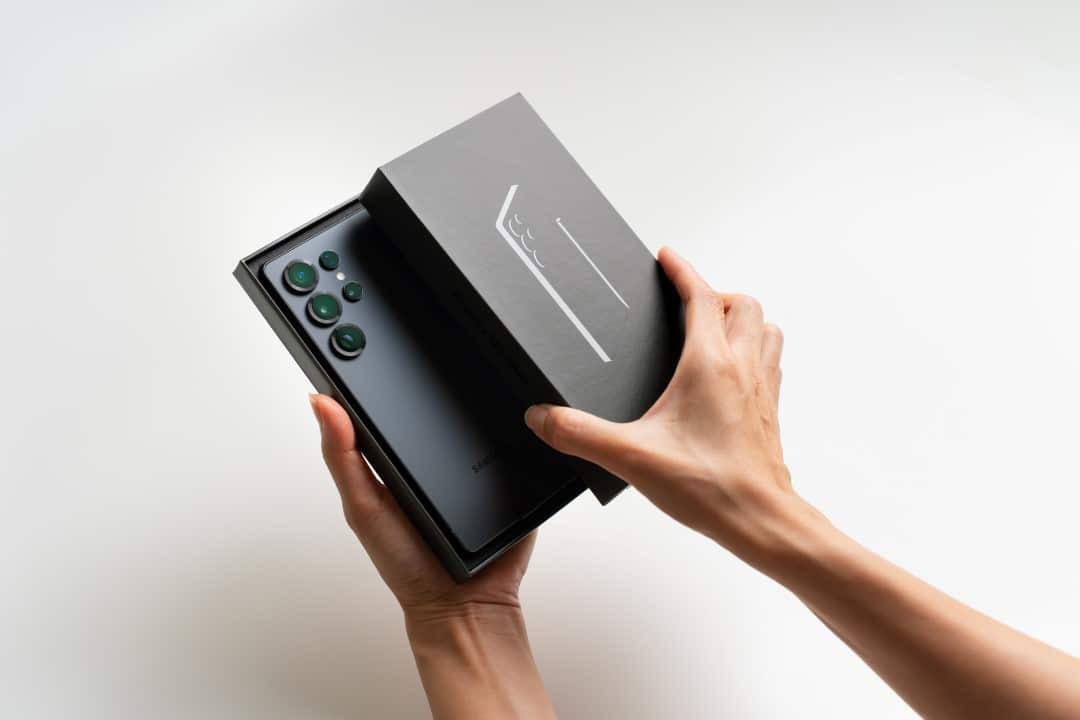
- Aumento averaged 15% in prices for popular models in the first quarter.
- Segmento below Rs 15,000 recorded the most severe impact of inflation.
- Programas of exchange and installments lost effectiveness as a sales strategy.
Comportamento divergent between metropolises and interior
Nas large cities, consumers avoid devices above 60 thousand rupees, preferring to keep the current model for longer. The lengthening of the usage cycle is combined with technological improvements: several brands started to offer software support for up to seven years on flagships, while the hardware became more resistant. Esses two factors reduce novelty pressure, allowing users to experience acceptable performance for longer periods.
The picture changes significantly inside. In tier 2 and tier 3 cities, the demand for premium models above Rs 60,000 has grown. Compradores in these regions uses interest-free installments to purchase devices with artificial intelligence features, looking for devices that last several years without needing to be replaced. Amazon India recorded this movement, showing that customers in smaller regions avoid repeat purchases in the short term.
Mercado for repairs and used in expansion
With high prices, many consumers chose to repair the device instead of buying new, keeping the phone functional through minor repairs. Esse habit has boosted the market for refurbished devices, where certified units with warranty attract those looking for premium features at a reduced price. The price difference can reach 50% compared to the new model, and the turnover in this category has increased in the last six months, signaling a structural change in purchasing behavior.
Setor faces historic sales contraction
The Indian smartphone market lost momentum in 2026. In the first quarter, shipments fell 3% year-on-year, representing the worst start to the year in six years. Projeções indicate that total volume could decline further throughout the year, with estimates pointing to a drop of around 10% in 2026, leaving the number of units sold close to 140 million.
The entry-level segment suffered most intensely, while the premium segment held demand better thanks to resources such as artificial intelligence. The lengthening of the replacement cycle contributes to this recessive scenario: with fewer exchanges, the overall sales volume decreases. Analistas tracks consumer behavior, observing how the combination of high prices, longer software updates and pre-owned options has changed the dynamics of the industry. The market that was the fastest growing in the world is now facing structural adjustment, with consumers better calculating the cost-benefit before deciding to switch.





