
BYD automaker reveals 2026 Qin Plus hybrid sedan with combined range of two thousand kilometers


Chinese manufacturer BYD officially launched the Qin Plus DM-i 2026 sedan on the Asian market in early January. The plug-in hybrid vehicle arrives with updates to the propulsion system and energy storage capacity. The new generation of the model reaches the mark of 210 kilometers of exclusively electric operation, according to the standards of the CLTC test cycle. The project focuses on reducing fossil fuel consumption and expanding daily use without emissions.
With a full fuel tank and a fully charged battery, the sedan’s combined range exceeds 2,110 kilometers. The result reflects the application of the fifth generation DM-i system, which manages the transition between the combustion engine and the electric drive. The automaker set the starting price at 79,800 yuan for the entry-level version, seeking to maintain competitiveness in the volume electrified vehicle segment. The model is now available to consumers at China.
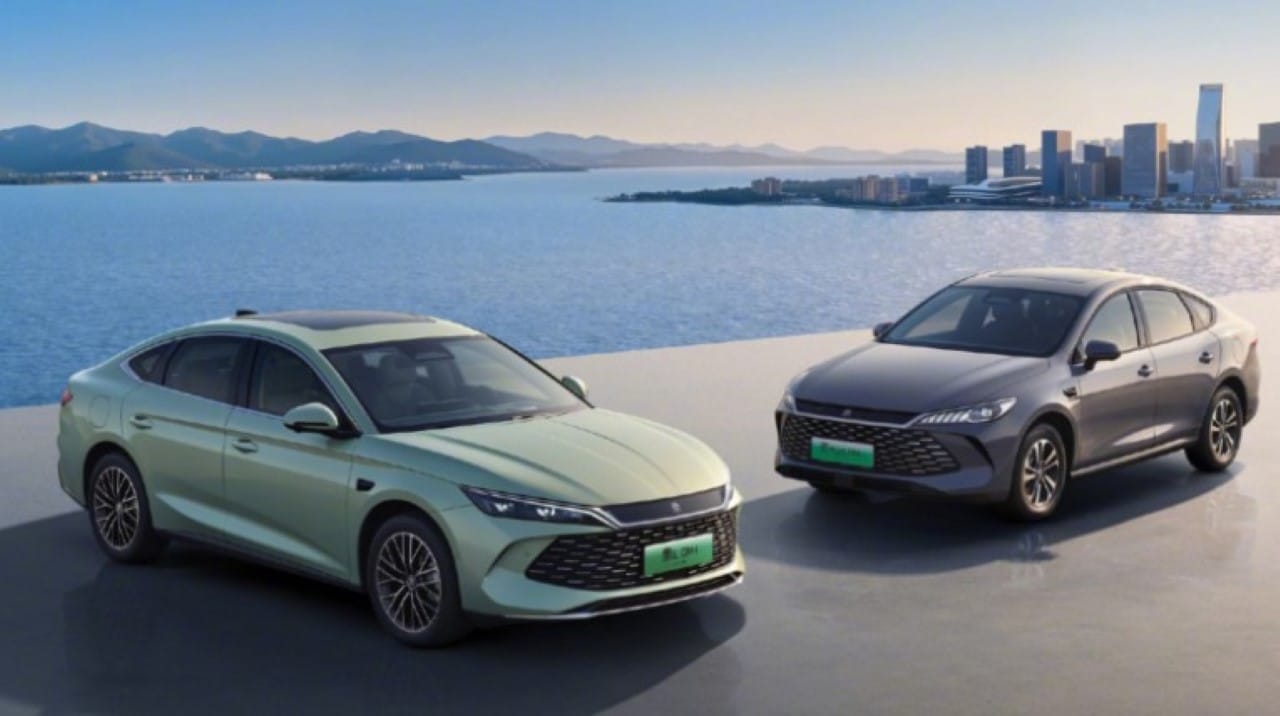
Desempenho mechanical assembly and energy efficiency
The mechanical architecture of the Qin Plus DM-i 2026 uses a 1.5-liter gasoline engine integrated with a high-efficiency electric drive. Nessa technical configuration, the combustion block acts mainly as an energy generator to feed the batteries, while the main traction of the wheels is carried out by the electrical system. The brand’s engineering prioritized instant torque to guarantee agile acceleration in urban traffic. Electronic management decides the exact moment to activate each component.
Fuel consumption recorded during homologation tests reached 2.79 liters for every 100 kilometers driven, even with the battery completely discharged. Esse index demonstrates the hybrid system’s ability to recover kinetic energy during braking and deceleration. The thermal efficiency of the combustion engine has been improved compared to previous versions. The company’s Engenheiros worked on reducing the internal friction of moving parts to optimize the use of the energy generated.
Estratégia marketing and available configurations
The sedan catalog on the Chinese market is divided into three main configurations, structured to meet different budget profiles. The basic variant, sold for 79,800 yuan, delivers 128 kilometers of range in electric mode. The superior options concentrate efforts on the higher density battery to reach 210 kilometers without using gasoline. The intermediate version, called Progressive, has a suggested price of 89,800 yuan at the brand’s dealerships.
The top-of-the-line model, called Superior, costs 99,800 yuan and contains the complete equipment package. BYD’s aggressive pricing strategy is based on the verticalization of its production chain, which includes its own manufacturing of semiconductors and energy cells. Control over fundamental components allows for the reduction of manufacturing costs. The Qin line represents a significant portion of the Asian automaker’s global registration volume, driving the transition to new energy vehicles.
Especificações techniques and energy storage
The advance in the vehicle’s autonomy results from the installation of a battery pack with capacity increased to 25.28 kWh in the most expensive configurations. The technology used is the Blade battery, based on lithium-iron-phosphate (LFP) chemistry, known for its thermal stability and puncture resistance. The slatted format optimizes the physical space on the car floor. The structure reinforces the torsional rigidity of the body and contributes to passive safety in the event of side collisions.
The vehicle’s technical data confirms the focus on operational efficiency and reducing the cost per kilometer driven. The approved specifications detail the performance of the powertrain:
- Alcance in all-electric mode up to 210 kilometers in CLTC standard.
- Autonomia combined exceeds 2,110 kilometers with full reservoirs.
- Consumo average of 2.79 liters per 100 kilometers with a discharged battery.
- Capacidade maximum energy storage of 25.28 kWh in top versions.
- Integração of the fifth generation DM-i hybrid system with 1.5 liter engine.
The charging infrastructure supports alternating current and direct current connections, allowing quick refueling at public charging stations. The battery’s thermal management system ensures proper functioning in extreme weather conditions, preserving cell life. The factory warranty covers high voltage components for extended periods, offering technical support to owners.
Sistemas advanced driving assistance
The DiPilot level C technology package is part of the list of standard equipment in the Progressive and Superior versions of the sedan. The set of high-resolution radars and cameras monitors the vehicle’s perimeter in real time. The system processes the data to enable semi-autonomous driving functions classified as L2+. Highway assistance keeps the car centered in the lane and adjusts the speed depending on the traffic ahead.
Active safety includes the autonomous emergency braking system, capable of detecting pedestrians and cyclists on the route. The automatic parking assistant performs maneuvers in parallel and perpendicular parking spaces without steering wheel intervention. Urban memory navigation technology allows the vehicle to learn frequent routes. The democratization of these resources in an intermediate-price car raises the standard of demands in the mid-size sedan segment.
Internal Conforto, connectivity and visual identity
The internal environment of the Qin Plus DM-i 2026 stands out for the DiLink multimedia center equipped with a 12.8-inch floating screen. Updated software processes natural voice commands for air conditioning, navigation and media control. Integration with smartphones occurs natively, facilitating access to everyday applications. The front seats have electrical adjustments and synthetic material coverings in the most complete configurations in the catalogue.
The cabin’s acoustic insulation received special attention from the brand’s designers. The application of laminated double glazing in the front windows and the active noise cancellation system reduce the sound of wind and tire rolling. The interior noise level remains below 53 decibels at moderate cruising speeds. The relocation of the gear selector to the steering column freed up useful space in the center console for storage compartments and induction chargers.
The exterior preserves the design language known as Dragon Face, characterized by the wide front grille and tapered LED headlights. The color palette gained a new dynamic gray option, which changes the perception of tone depending on the incidence of sunlight. The body dimensions accommodate five adult passengers, while the aerodynamic profile contributes to the fuel consumption figures. The vehicle consolidates the automaker’s presence in the global automotive market.



