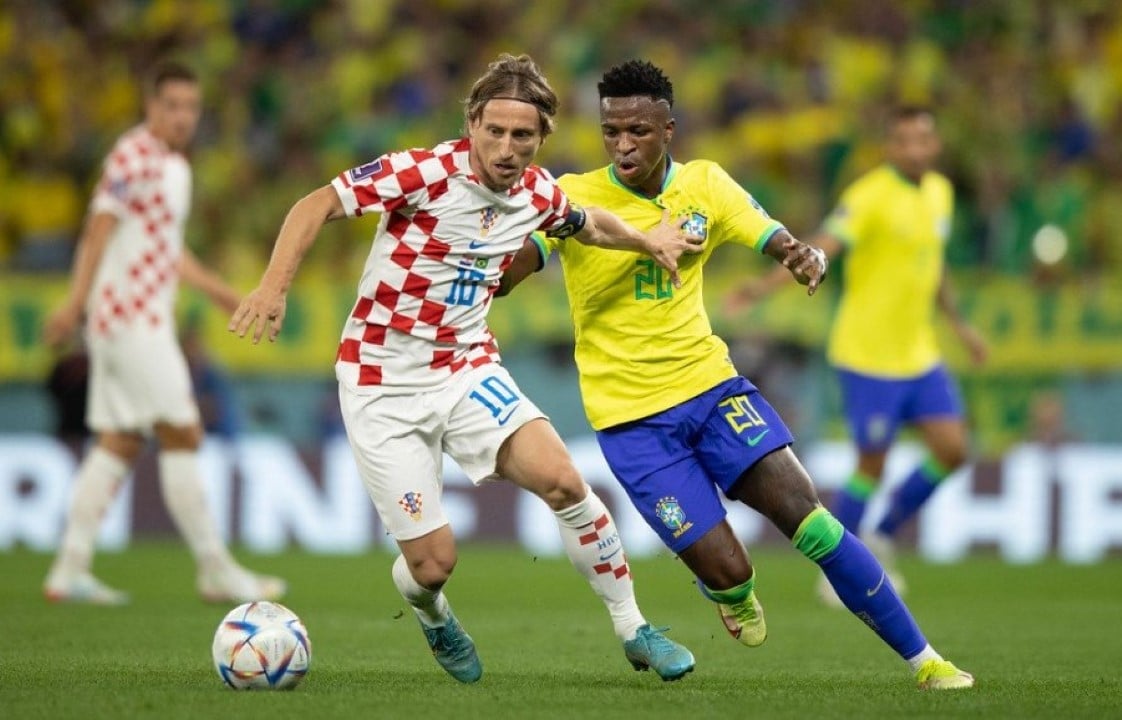
The global football tournament that will take place on Estados Unidos, Canadá and México from June 2026 will bring together 48 countries for the first time. The uniforms of the participating teams will carry shields on the field that act as visual records of each nation. The event will transform the lawns of América from Norte into a display of modern heraldry. Bilhões of spectators will follow the matches. The competition will require unprecedented logistics due to the record number of participants and venues involved.
Sports confederations use geometric lines, native animals and mythological references to summarize the trajectory of their people. The brands’ design has undergone recent updates to adapt to digital formats and high definition broadcasts. The graphic essence, however, maintains a direct connection with ancient empires and independence movements. The emblems embroidered on athletes’ chests carry the weight of past achievements and national identities. Cada visual detail undergoes strict regulatory approval before mass production.

Tradição South American and European heraldry on the lawns
The South American continent presents compositions that combine victories in sport and natural riches. The Confederação Brasileira of Futebol has been stamping the Cruz of the Ordem of Cristo since 1914. The element refers to the period of the Grandes Navegações of Portugal in the 15th century. The green and yellow colors follow the exact pattern of the Brasil flag. The team sports five stars above the shield to demarcate its world titles. Argentina consolidated its coat of arms in 1978. The local federation inserted a laurel wreath around the original design years later.
Uruguai displays four golden stars at the top of its official shield. Duas brands represent the world titles of 1930 and 1950. The other two celebrate the gold medals in the Olimpíadas of 1924 and 1928. Equador radically reformulated its visual identity in 2020. The Andean condor assumed the absolute leading role of the brand. The Colômbia and Paraguai also translate patriotism and regional geography into their uniforms. Paraguai remains a lone star who projects the country’s future.
Europa contains the largest volume of references to ancient legends and monarchies. The Inglaterra has worn three lions since 1872, in direct reference to Ricardo Coração’s reign of Leão during the 12th century. The Croácia uses the checkered pattern known as šahovnica. Folklore drawing has more than five centuries of continuous existence. Relatos ancients associate the print with a king who guaranteed his freedom on the board. França adopts the Gallic rooster. The animal emerged from a linguistic pun in Latin and became synonymous with courage. The Alemanha carries a centuries-old black eagle accompanied by four stars.
- Holanda: Figura of a lion in honor of Casa of Orange-Nassau and orange color of independence.
- Espanha: Minimalist Design created in 2021 with a focus on a castle and a pomegranate.
- Suíça: White Cruz of the national flag combined with the acronyms of the local languages.
- Bélgica: Country initial Letra designed with horizontal stripes and an upper crown.
- Suécia: National Bandeira positioned inside a classic soccer ball.
Tchéquia rescues the two-tailed lion from Boêmia’s former region. Escócia highlights the year the entity was founded and includes thistles, plants typical of the region, in the emblem. The Noruega innovated by adding dragons to its look in 2014. The Turquia maintains the classic mirrored design of the Império Otomano. The Bósnia and Herzegovina place the map of your territory inside a ball.
Símbolos Africans reflect native fauna and independence
África teams project the strength of nature and population unity through football. África of Sul chose the protea flower as the central element of her shield. The plant indicates the ability to revive after fires and marks the end of the Apartheid regime. The Costa of the Marfim combines the map of the territory with the image of an elephant. The large animal inspired the nation’s name in colonial times. Senegal carries Teranga’s lion on his shirt. The local expression means hospitality.
Tunísia incorporated Cartago’s historic eagle into its shield in 2006. Gana uses colors originating from Etiópia in its main uniform. The chromatic combination formed the first pan-African flag recognized on the continent. Argélia displays a moon and star with roots that predate Islam. The Marrocos adopts a five-pointed star referring to the pillars of the Islamic religion.
Egito highlights your sporting achievements with the design of a ball in the net. The country holds a record of seven titles in the continental national team championship. República Democrática of Congo uses the figure of the leopard to indicate agility and power on the field. Cabo Verde modernized the emblem in 2020. The federation inserted a blue shark and ten stars that represent the islands of its archipelago.
Asian Mitologia and Oceania visual identities
The Asian continent takes ancient symbols to global sporting competitions. Japão uses the figure of Yatagarasu. The three-legged crow belongs to Shinto mythology and acts as a guide for emperors. Sul’s Coreia updated the guardian white tiger image on her shirt. The Arábia Saudita combines a falcon with a traditional palm tree. Irã repeats a religious expression several times in the composition of its official brand. Oriental design tends to prioritize clean lines and contrasting colors to make it easier to identify from a distance.
Austrália adapted the official government coat of arms with the presence of a kangaroo and an emu. A seven-pointed star completes the Oceania team’s visual set. Nova Zelândia adopts silver fern leaf. The symbol of Maori origin represents strength and constant renewal. The Catar mixes typical embroidery patterns from the region with the shape of a football.
Jordânia highlights a seven-pointed star based on texts from Corão. Uzbequistão preserves a traditional format with a green background. Asian federations demonstrate how cultural heritage survives on modern platforms. Graphic details connect new generations of fans to the beliefs of their ancestors.
Américas of Norte and Central renew sports brands
América’s selections of Norte and Central feature shields that fuse historic elements and modern geometric features. The México combines the golden eagle with the Pedra of the Aztec Sol in a circular shape. The Canadá focuses entirely on the maple leaf, the country’s ultimate symbol. Os Estados Unidos align the colors of the national flag with stars at the top. The brands refer to the world titles won by the country’s women’s team.
Panamá updated its visual identity for the 2024 season. The new design displays a harpy with ten detailed feathers. The Haiti replicates the palm tree present in its official flag. Curaçao uses the colors blue and gold along with the initials of the sports entity. The diversity of shapes proves the relevance of design in contemporary sport.
Shields function as a direct bridge between the historical past and the digital environment. The 2026 competition will serve as a global showcase for these national representations. The matches will put on the field centuries of traditions condensed into small pieces of fabric. The manufacture of uniforms involves cutting-edge technology to ensure the comfort of athletes. Modern fabrics receive embossed applications that highlight the coats of arms under stadium lighting.