
Emperor absent from Showa ceremony sparks debate over imperial precedents

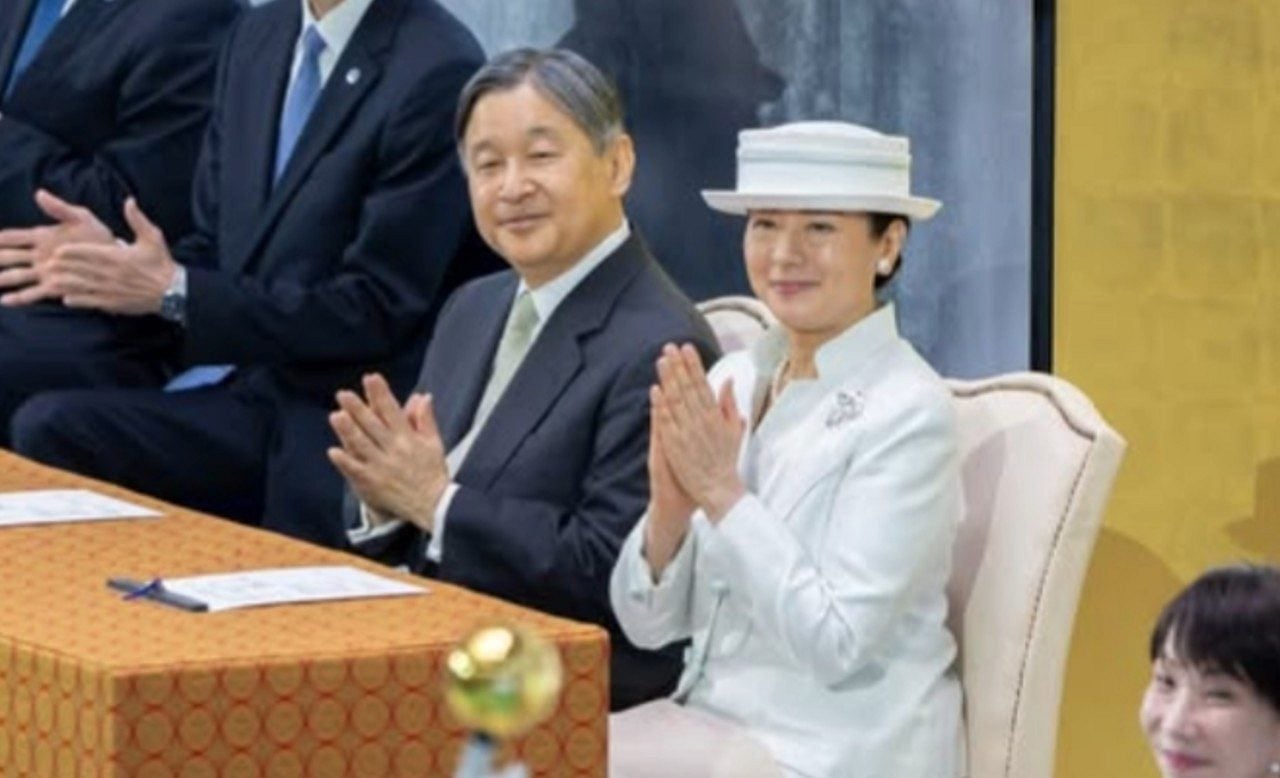
The absence of Imperador at the Cerimônia of Comemoração of Centenário of Era Showa, held on April 29, raised questions about the criteria that led the government not to invite him or to accept his non-presence. Embora official spokespeople have stated that the decision was made “after extensive consideration”, the lack of clarity regarding the specific reasons fuels debate in Japão’s political and academic circles. The ceremony, promoted by the Japanese executive, marked one hundred years since the beginning of Era Showa in 1926, a period that covers 64 years of the country’s modern history.
Analistas point out that the omission raises questions about the institutional role of the throne in historical commemorations. The government did not disclose details about previous negotiations with the imperial house or whether there were restrictions on Imperador’s schedule. Essa information gap amplified speculation about the real reasons for the absence, making the event the subject of more intense public scrutiny than similar celebrations have faced in the past.
Comparação Precedented by Restauração Meiji Reveals Protocol Changes
Registros records show that Imperador did not attend the Cerimônia of Comemoração of Centenário of Restauração Meiji held in 1968. At the time, the decision followed different criteria than those applied to the current Showa ceremony. Especialistas in imperial protocol note that the justifications offered in 1968 were more detailed than those provided this week, even though both situations generated similar controversies.
The comparison between the two events reveals an evolution in social expectations about the presence of the imperial figure in national historical landmarks. Enquanto’s absence in 1968 was more naturally accepted, now it is questioned with greater intensity by groups who argue that Imperador’s participation in Estado celebrations is essential. Historiadores emphasize that the change reflects broader transformations in Japanese society regarding the symbolic meaning of the monarchy.
Reações government and silence on specific details
Porta-government voices used the expression “broad consideration” without clarifying which concrete factors weighed in the final decision. Essa’s communicative strategy left open a space for divergent interpretations. Alguns analysts read the phrase as indicating that there were extensive consultations with the imperial court; others see it as an evasiveness that masks internal deliberations not disclosed to the public.
Questionamento also emerged about the criteria that differentiate an official government ceremony in which the imperial absence is tolerable from an event of a truly national nature that would demand the participation of the sovereign. The government has not accurately responded to this crucial semantic distinction. Críticos point out that such ambiguity weakens Estado’s ability to justify future protocol decisions. The lack of transparency fuels distrust in sectors that ensure clarity in relations between the executive branch and the monarchical institution.
Event Comprehensive Análise Reveals Overlooked Symbolic Dimensions
Estudos over Era Showa show that the period 1926-1989 was marked by profound institutional transformations, including transition from a militaristic empire to constitutional democracy. The commemoration ceremony offered an opportunity for Estado to reflect on these changes with the symbolic presence of the institution that experienced them. Historiadores argue that Imperador, as a living figure in this story, would bring authenticity and irreplaceable symbolic weight to the event.
A comprehensive analysis of the meaning of the ceremony therefore reveals that its symbolic dimension was partially compromised. The absence not only left the protocol vague, but also reduced the power of the event as a national reflection on a century of transformation. Especialistas in political communication note that commemorative events gain legitimacy when they incorporate central historical figures into moments of collective reflection. Nesse sense, the Showa ceremony lost depth by not counting on the presence of the reigning Imperador.
Implicações for future official celebrations
The precedent set by the Showa ceremony will create parameters for government decisions regarding imperial participation in future events. Consultores protocol indicates that the lack of explicit criteria now makes it more difficult to guide choices in similar contexts. Successive Governoss will have to face the question: under what conditions is Imperador’s absence appropriate, and under what circumstances is its active presence desirable?
Pesquisadores from imperial institutions emphasize that this lack of definition could lead to inconsistencies in the coming decades. If the government establishes precedent that era centenaries can be celebrated without Imperador, other events of historical importance will claim similar treatment. Sem clear rules, each decision will be subject to debate and contestation, weakening the predictability that relations between Estado and the monarchy require.
Divergent Posicionamentos reflect broader institutional tensions
Setores conservatives in Japanese politics criticize the absence as a reduction in imperial prestige. Argumentam that institutional modernity does not demand the removal of the figure of the sovereign from national celebrations, but, on the contrary, its reinforced integration as a symbol of continuity. Esses groups see the government decision as a worrying sign of weakening the traditional role of the monarchy.
On the other hand, sectors that defend greater separation between Estado and the imperial institution argue that the ceremony could be a strictly governmental event, without the need for the participation of the throne. Para this group, absence is not a problem, but an appropriate adjustment between powers. Essas positions reflect deeper debate about what the place of the monarchy should be in 21st century Japanese constitutional democracy.
The government maintains its position that the decision was well-founded, but continues without offering sufficiently detailed public clarifications. Essa’s communicative strategy, instead of closing the controversy, keeps it alive and open to competing interpretations, making the Showa ceremony a milestone of institutional tension that transcends the specific event.





