
Galaxy S26 Ultra device shows severe damage to aluminum chassis during rigorous impact test

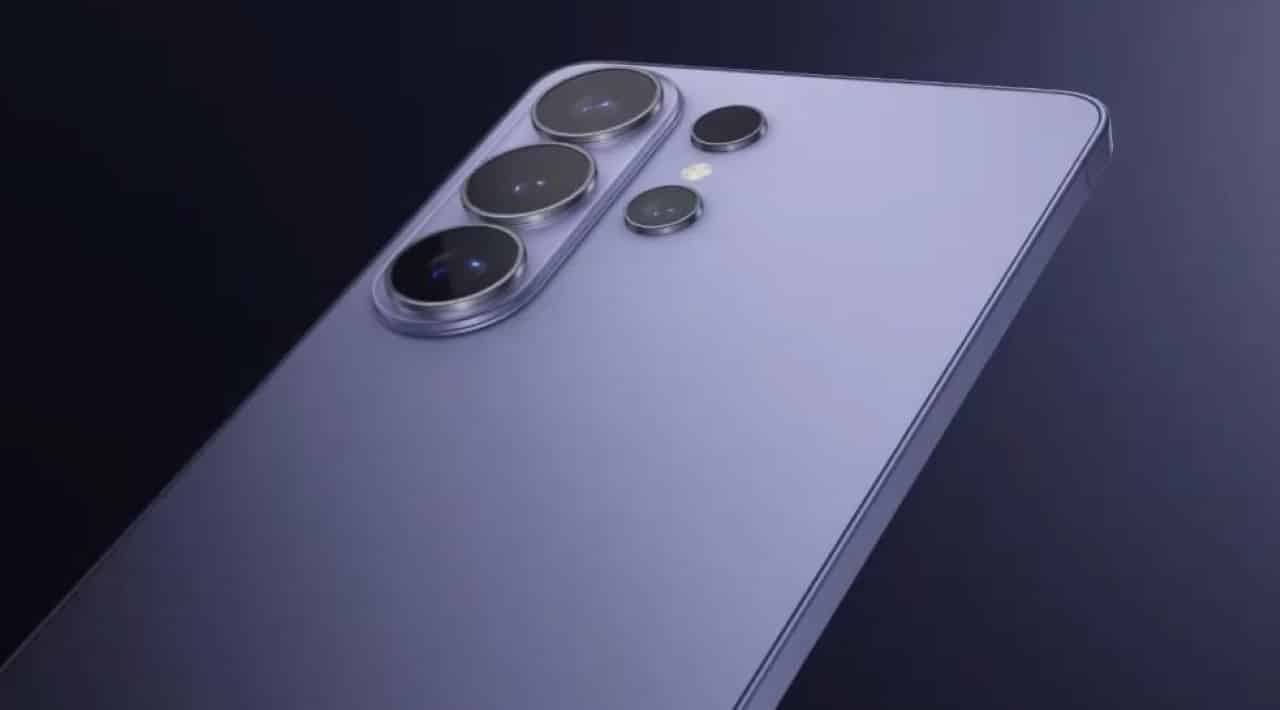
The South Korean manufacturer’s new high-end smartphone underwent extreme physical resistance assessments this week. The device faced successive drops onto a rigid concrete surface from a height of approximately one and a half meters. The technical analysis sought to simulate common everyday accidents among users. The front panel survived intact, but the side structure accumulated deep marks.
The change in chassis construction materials has sparked debate in the mobile technology market. The company replaced the previous generation’s titanium with an updated aluminum alloy to reduce the overall weight of the equipment. Essa structural change took its toll on the cosmetic durability of the product. The rear optical assembly also demonstrated high vulnerability to direct impacts against the ground.
Troca titanium for aluminum compromises chassis aesthetics
The side frame built on Armor Aluminum 2 exhibited obvious scratches upon first contact with the rough floor. The edges and corners of the device suffered visible deformations that compromised the product’s premium finish. The softer metal absorbed the kinetic energy of the fall through permanent dents. Especialistas point out that the aluminum alloy has a lower hardness when compared to the materials used in previous models in the same line.
The engineering decision focused on the ergonomics and lightness of the device. The titanium in the Galaxy S24 Ultra and S25 Ultra provided a superior barrier against surface damage. The new material allowed the creation of a thinner profile, making the phone easier to hold for long periods of time. Consumidores that prioritize the visual integrity of the equipment will need to pay extra attention during daily use. The device kept its main structure aligned, with no bends or twists in the chassis.
The physics of impacts explains the difference in behavior between metals. Aluminum tends to plastically deform to dissipate shock force, protecting internal components at the cost of its own aesthetics. Titanium, being more rigid, reflects energy with less visual deformation, but transfers more vibration to the windows. The manufacturer’s choice prioritized the integrity of the motherboard and screen over the appearance of the external frame.
Resistência of the front glass surprises during falls
The equipment’s main screen demonstrated remarkable survivability against mechanical shocks. The Gorilla Armor 2 protective glass withstood four direct and angled impacts without experiencing any cracks or shattering. The display continued to display images perfectly and the touch sensor responded to commands without delay. The technology used to manufacture this panel involves complex chemical processes that increase the density of the transparent surface.
The performance of the glass contrasts sharply with the damage seen on the metal frame. The scratch and break resistance of the front panel represents a significant advance in protecting the most expensive component to replace. Sunlight readability and anti-reflective properties remained unchanged after testing. The integrity of the screen ensures that the user can access their data and use the phone even after severe accidents.
Testes from independent laboratories confirm that the new tempered glass formulations withstand much greater stresses than the generations of five years ago. The distribution of weight inside the smartphone also influences the way the device hits the ground. The device’s center of gravity was designed to prevent the front glass from receiving the initial impact in free falls. Essa invisible engineering works in conjunction with the material’s strength to prevent catastrophic breakage.
Módulo’s rear camera suffers severe structural damage
The photographic set positioned on the back of the smartphone proved to be the weakest point of the current design. The individual lenses protrude outside the body of the device, creating areas of direct contact with the ground during a fall. The lens dedicated to the five-fold optical zoom cracked on the second attempt of the experiment. The third impact caused the complete shattering of that specific component.
Partial destruction of the module directly affects long-distance image capture functionality. Outras adjacent lenses have also accumulated microcracks on the edges of the protective rings. The minimalist design without a unified block for the cameras exposes the individual glasses to unnecessary risks. The quality of photographs and videos captured after the accident suffers immediate degradation due to the irregular refraction of light through the broken glass.
- The telephoto lens broke after two direct impacts on the concrete.
- The main screen glass remained without deep scratches or cracks.
- Accessory S Pen jumped out of the internal compartment on the fourth drop.
- The operating system and internal sensors continued to operate normally.
The internal functioning of the processor and motherboard was uninterrupted. The phone continued to receive network signals and run heavy applications without experiencing hardware failures. The smart pen ejected from the chassis kept its Bluetooth connection and pressure sensitivity intact. The survival of the internal components demonstrates that the aluminum chassis, despite being dented, fulfills the function of protecting vital circuits.
Especialistas recommend continuous use of protective accessories
The practical results of the experiment reinforce the need to invest in additional security items. The use of robust protective covers and high-quality films is essential to preserve the value of the equipment. The market offers several case options that add raised edges around the screen and camera module. Esses extra millimeters of absorbent material prevent the glass parts from touching the floor during an impact.
The smartphone is IP68 certified, guaranteeing resistance against the ingress of water and fine dust. Essa official protection, however, does not cover physical damage caused by accidental drops or shocks against hard surfaces. Electronics manufacturers consider broken screens and dented chassis to be misuse, voiding the standard warranty for these repairs. The cost to replace the back glass or lens assembly often represents a significant fraction of the total value of the device.
The comparative analysis with past generations serves as a guide for the most demanding consumers. The choice between a lighter design and an armored structure requires compromises on the part of engineers and buyers. Aluminum offers thermal and weight advantages, while titanium reigns in scratch resistance. The durability of a modern mobile device directly depends on the daily care and prevention adopted by the owner.





