GameStop classifies PlayStation 3, Xbox 360 and Wii U as retro consoles in new exchange policy
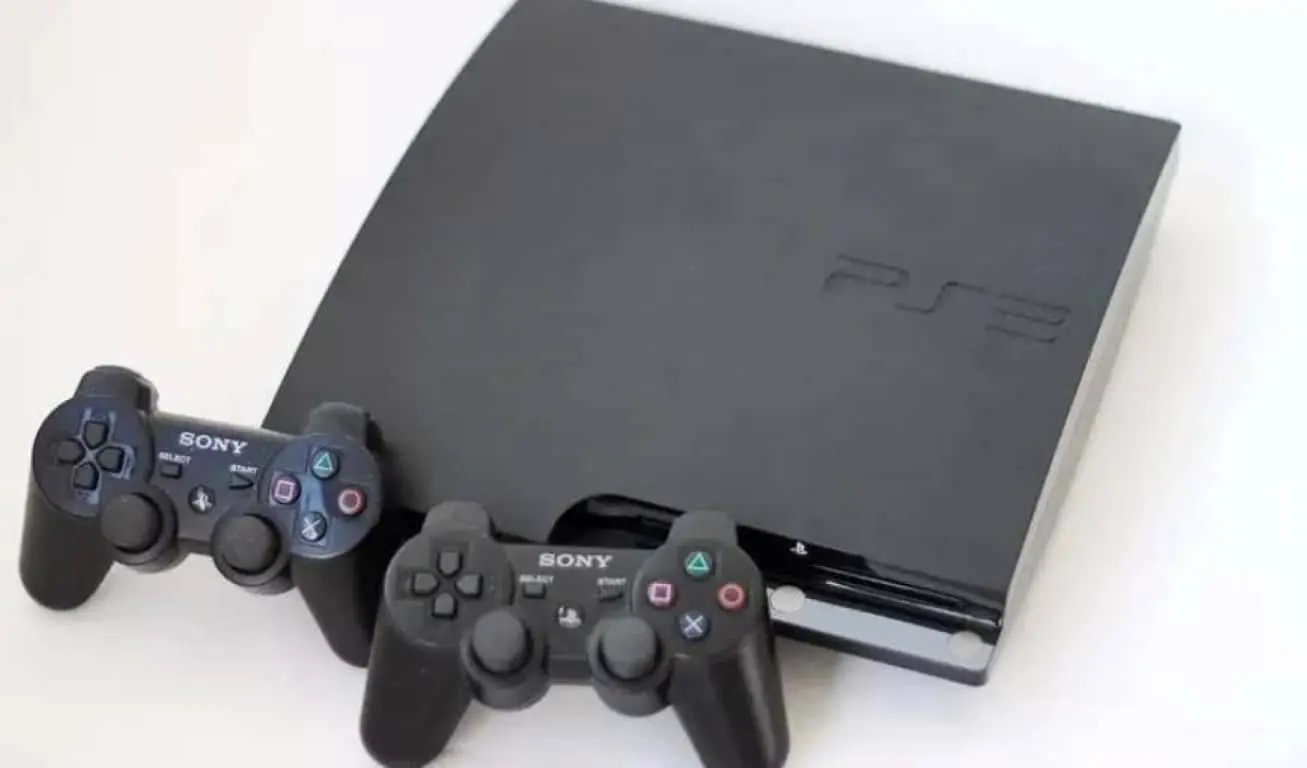
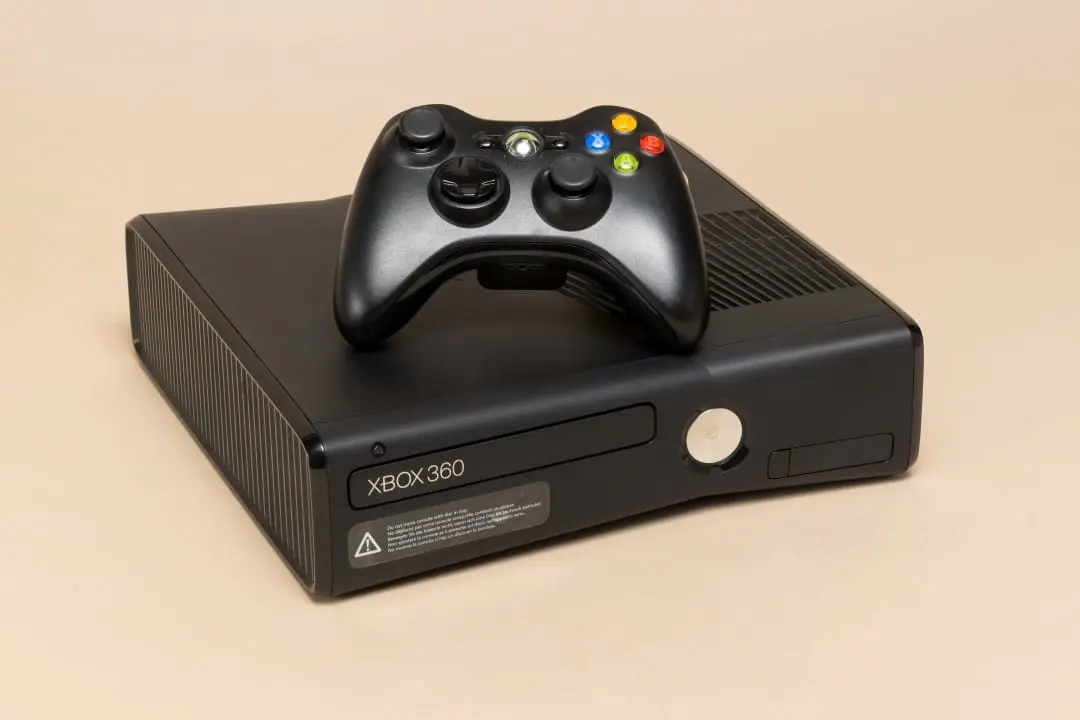
Retail chain GameStop has officially changed the commercial classification of the PlayStation 3, Xbox 360 and Wii U to the retro console category across its entire system. The measure places the three devices on the same level as classic systems from previous generations, such as the Sega Saturn and the Nintendo DS. The decision directly affects the acceptance guidelines for products used in the company’s physical stores and changes the way inventories are managed.
The repositioning reflects the technological gap between seventh and eighth generation hardware and current video game industry standards. The change generated an immediate update to the company’s electronics evaluation system, impacting thousands of branches. Clientes now finds different rules for passing on its old equipment to the trade, as the store seeks to optimize shelf space.
Critérios technicians adopted for the new categorization
The company’s internal assessment uses a set of strict guidelines called Retro Classification Standard. The protocol analyzes the physical characteristics and processing capacity of each machine before defining its status on the used market. The presence of analog video outputs weighed heavily in the technical determination. Component-type Cabos have disappeared from modern televisions, limiting the immediate usability of these systems in today’s living rooms.
Incompatibility with highly popular contemporary software also supported the corporate choice to downgrade the machines’ status. Continuous service Títulos require constant updates and network architectures that are incompatible with legacy systems. The Fortnite game perfectly illustrates this technical barrier imposed by time. The inability to run the application natively served as one of the main indicators for the definitive reclassification.
The length of existence in retail complements the list of factors determining the change in nomenclature. The Xbox 360 began its commercial trajectory in 2005, ushering in the era of high definition in gaming. The PlayStation 3 hit shelves the following year, bringing complex proprietary technologies. The Wii U represents the group’s most recent equipment, launched in 2012, but with a considerably shorter life cycle than its direct competitors.
Learn more: End of an era: Sony decrees the definitive closure of the PS3 and PS Vita virtual store by 2027
Política financial incentive and device acceptance
The category change activated a specific promotional campaign for owners of these legacy platforms. The chain established a 10% increase in the value of credit generated during the delivery of video games to customer service counters. The bonus covers recently downgraded consoles and even older systems already consolidated in the category. The financial benefit remains valid in all units until March 21, 2026.
The conservation rules required by evaluators were significantly relaxed to encourage the return of these items. The service desk now accepts units with obvious cosmetic damage, deep scratches or failures in secondary components. The main requirement only requires that the system turns on and presents a power signal on the main board. The strategy aims to remove stationary equipment from homes and return it to circulation on the collectors’ market.
The exchange program covers different categories of products linked to the three systems now considered classic. The store accepts the following items under the new review rules:
- Consoles based on any storage variant, with or without the original factory box.
- Official Controles, power cables and peripherals licensed by their respective manufacturers.
- Mídias game hardware in functional readable state, regardless of damage to plastic covers.
The injection of used stock directly supplies the retailer’s collecting sector, which has consistent profit margins. The demand for old physical media maintains a constant flow of sales in the brand’s physical units and digital platform. The company uses the credit generated in exchanges to keep the consumer within its own commercial ecosystem, forcing the purchase of recent launches.
More on this story: Nostalgia on the rise: 5 classic portable consoles to play in 2026
See Also

Joey Chestnut’s win marks 18th Nathan’s Contest title with 66 hot dogs

August sky: 9 unmissable astronomical events, with solar eclipse and meteor shower

Louvre chooses architects for new Mona Lisa suite and plans expansion of visitors
Impacto industry history and technology transition
The exact definition of the term retro generates frequent debates among researchers, historians and digital media preservers. The transition from two-dimensional graphics to three-dimensional polygons marked the first major historical divide recognized by the public. The massive adoption of the HDMI cable and the popularization of online networks represent the second major leap in the sector, separating modern devices from the relics of the past.
The Xbox 360 has set modern standards for connectivity with the Xbox Live’s robust infrastructure. The service introduced unified friends lists, digital achievements and voice communication during multiplayer matches. The PlayStation 3 consolidated the Blu-ray format as the standard physical media and delivered high-resolution cinematic experiences unprecedented at the time. The Wii U tried to innovate with a tablet-shaped control with an integrated screen, but encountered strong resistance from partner developers over the years.
On the same topic: Microsoft’s decision to close the Xbox 360 store affects access to classics and digital preservation
Temporal distancing transforms the general public’s perception of these entertainment platforms. Bibliotecas made up of established franchises sustain the continued interest of a significant portion of today’s consumers. Original Jogos from series such as Halo, Uncharted and Mario Kart maintain high commercial value in the second-hand market due to constant demand. The accelerated transition to a purely digital format in subsequent generations increased the relevance and scarcity of old records.
Reorganização from the collectors market
The standardization imposed by the largest chain in the segment directly influences the behavior of independent stores and independent sellers. Smaller Comerciantes usually align their price lists with the values charged by the retail giant to maintain competitiveness. The officialization of retro status tends to stabilize the price of devices on the parallel market, avoiding extreme fluctuations. The measure creates a safe value floor for functional equipment that was previously considered merely obsolete.
The corporate recognition validates the feeling of nostalgia of an entire generation of gamers who grew up in the 2000s. The audience that consumed these products as teenagers now has the independent purchasing power to repurchase the items of their youth. The demand for replacement parts and specialized maintenance accompanies the natural aging of internal hardware. Independent Técnicos absorb the share of devices rejected by large networks, creating a parallel repair ecosystem.
The preservation of video game history fundamentally depends on the continued circulation of original hardware among users. Emuladores software reproduces the codes accurately, but does not replicate the tactile experience of the controls of the time nor the peculiarities of native operating systems. The retailer’s commercial initiative makes it easier for new enthusiasts to access original equipment without the need to resort to expensive auctions. Moving stock ensures that machines continue to operate in the hands of collectors rather than ending up discarded in landfills.
GameStop reinforced in its communications that consoles remain relevant to the classic game fan community. The company stated that the devices continue to be treated as items of historical value, despite the new commercial categorization. The statement seeks to soften the emotional impact of the change for the most attached customers. The official classification expands logistical options for those who maintain active collections at home.
More on this story: Google failure creates unrealistic release date for the new Zelda Ocarina of Time