
Japanese manufacturer confirms third generation of Nissan Juke crossover with electric motorization and 75 kWh batteries

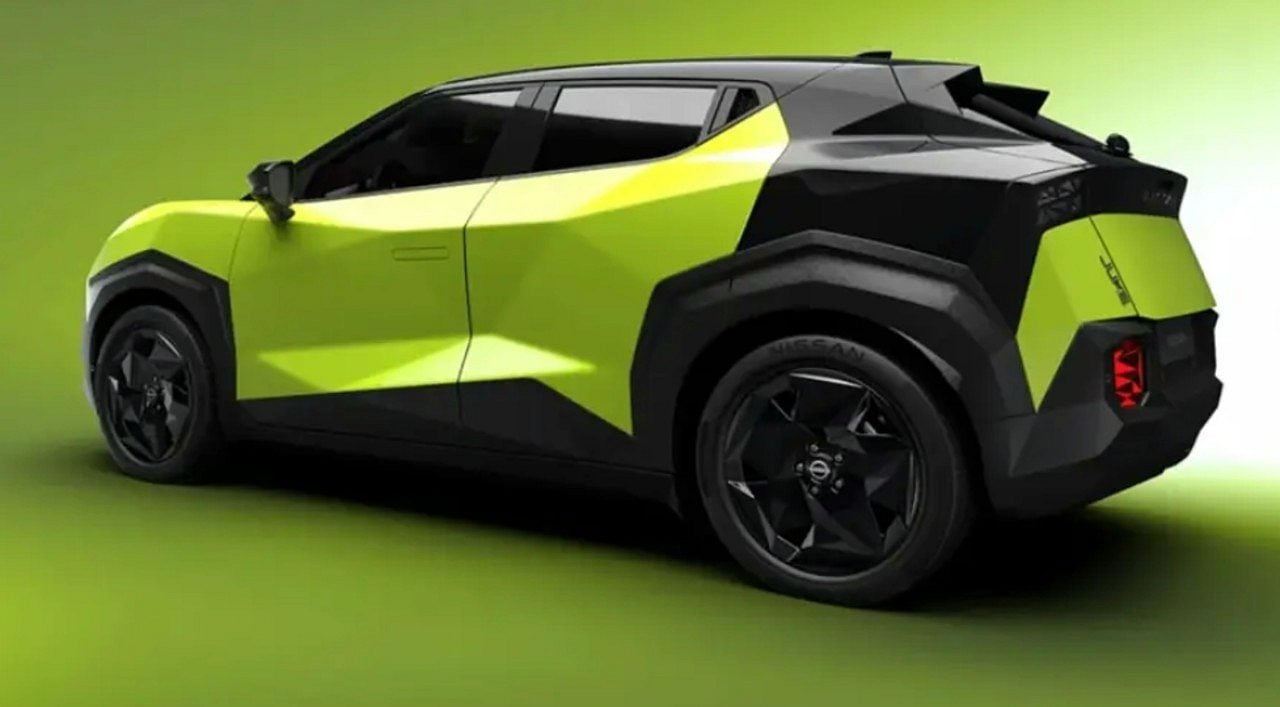
The Japanese automaker presented the third generation of the Nissan Juke compact crossover during a corporate event at Japão. The vehicle will reach the European market in 2027 with an exclusively electric engine. The transition abandons traditional combustion engines. The model maintains the divisive design proposal that has characterized the line since its original launch more than a decade ago. The compact sports utility vehicle segment represents a significant portion of registrations on the European continent.
The sports utility vehicle uses the CMF-EV modular platform, recently renamed by the manufacturer as AmpR Medium. Essa structural base supports other automobiles from the global alliance formed by Renault, Nissan and Mitsubishi. The Renault Scenic E-Tech and Nissan Ariya share the same chassis technology. Production of the new car will take place at the Sunderland manufacturing facility, located at Reino Unido. The industrial plant also houses the assembly line for the next generation of the Leaf hatchback.

Arquitetura modular and battery system capacity
The adoption of the AmpR Medium base allows the integration of electrical components previously tested in other vehicles from the automotive conglomerate. The energy storage system follows the technical standard established for the new Leaf. Buyers will have battery options with capacities of 52 kWh and 75 kWh. The choice of two sizes of energy accumulators suits different usage profiles, from short urban trips to longer road trips. The company still maintains secrecy about the exact engine power figures. Dados regarding maximum torque and approved autonomy remain restricted to the brand’s engineers.
The engineering design incorporates V2G technology, known as vehicle-to-network. The two-way system turns the car into a mobile electricity storage unit. Owners are able to use the battery charge to power residential equipment. The function also allows excess energy to be returned to the public electricity grid during peak consumption times. The resource expands the practical utility of the utility vehicle beyond daily passenger transport.
Implementing this electrical architecture reduces development costs through parts sharing. The automotive market demands efficiency in the creation of new zero-emission products. The Franco-Japanese alliance focuses efforts to dilute the high costs associated with the research and development of lithium-ion batteries. The standardization of internal components speeds up the engineering process and facilitates future maintenance at dealerships.
Linhas aggressive visuals mark the utility’s new identity
The manufacturer’s design department opted for deep creases and pointed geometric shapes for the utility vehicle’s body. The look displays a darkened front grille with increased dimensions compared to the previous model. The headlights adopt an intricate shape that reinforces the car’s nocturnal identity. The initial publicity images show the car painted in a vibrant shade of green. The aesthetic set resembles the proportions of a concept car fresh off the drawing boards.
The sides of the vehicle feature wheel arches with angular cutouts and a black plastic finish. The polygonal style creates a visual effect of robustness for urban use. The styling team preserved the line’s historic features. The rear door handles remain embedded in the C pillar of the roof. The rear receives LED lights with a complex design and a trunk lid with exclusive contours.
- Grade darkened front with enlarged proportions for cooling.
- Conjunto front optics with intricate geometric shape.
- Caixas wheel with angular cutouts and black moldings.
- Maçanetas rear camouflaged in the C-pillar structure.
- Lanternas LED rear with complex light signature.
Maintaining the bold character differentiates the car from direct competitors that focus on more conservative lines. The company seeks to attract consumers interested in aesthetic exclusivity within the compact sports utility vehicle segment. Aerodynamics plays a crucial role in energy efficiency, and designers needed to balance visual aggressiveness with the air drag coefficient. The final design went through evaluation clinics with European clients before board approval.
Cronograma assembly in British Sunderland factory
Manufacturing of the electric utility vehicle will begin in the coming years at the Reino Unido industrial plant. The Sunderland unit receives constant investment to adapt its assembly lines to zero-emission vehicles. Workers will produce the new crossover on the same conveyor belt as the updated Leaf. Unified parts logistics optimizes workflow within factory warehouses.
The automaker plans to begin commercial deliveries on the Europa from spring 2027. The period corresponds to the first half of the year in the northern hemisphere. The dealership network prepares the training of sales teams and mechanics for the arrival of the new technology. The brand’s executives treat the launch as a fundamental milestone for the portfolio’s energy transition.
The corporate event held in Japan served to demonstrate the company’s global direction. The board highlighted the strategic importance of the crossover for attracting new customer profiles. The original model helped popularize the B-SUV category in the European market through its exotic styling. The new generation bears the responsibility of repeating commercial success in a scenario dominated by electrification.
Posicionamento brand on the European compact market
The sport utility vehicle enters a commercial segment with increasingly diverse options from Asian and European competitors. The second generation of the car will continue to be available in stores with a hybrid engine during the transition period. The commercial strategy guarantees alternatives for consumers who do not yet have a residential charging infrastructure. The coexistence of the two generations in the windows protects the company’s market share.
The manufacturer chose not to reveal details about the interior finish of the cabin at this first moment. Digital entertainment systems and driving assistance features remain in the final testing phase. The vehicle’s electronic architecture will enable remote software updates, ensuring that the operating system remains up to date throughout the asset’s useful life. Full performance specifications and equipment packages will only emerge in the months leading up to official sales. The marketing team prepares a launch campaign focused on young and connected audiences.
The evolution of the compact vehicle occurs without losing the visual essence that made it recognizable on the streets. The switch to the electric propulsion system reinforces the corporation’s commitment to carbon reduction targets at Europa. Engineers work to ensure that driving dynamics meet the expectations of urban drivers. The final project reflects the demands of an industry undergoing rapid technological transformation.





