
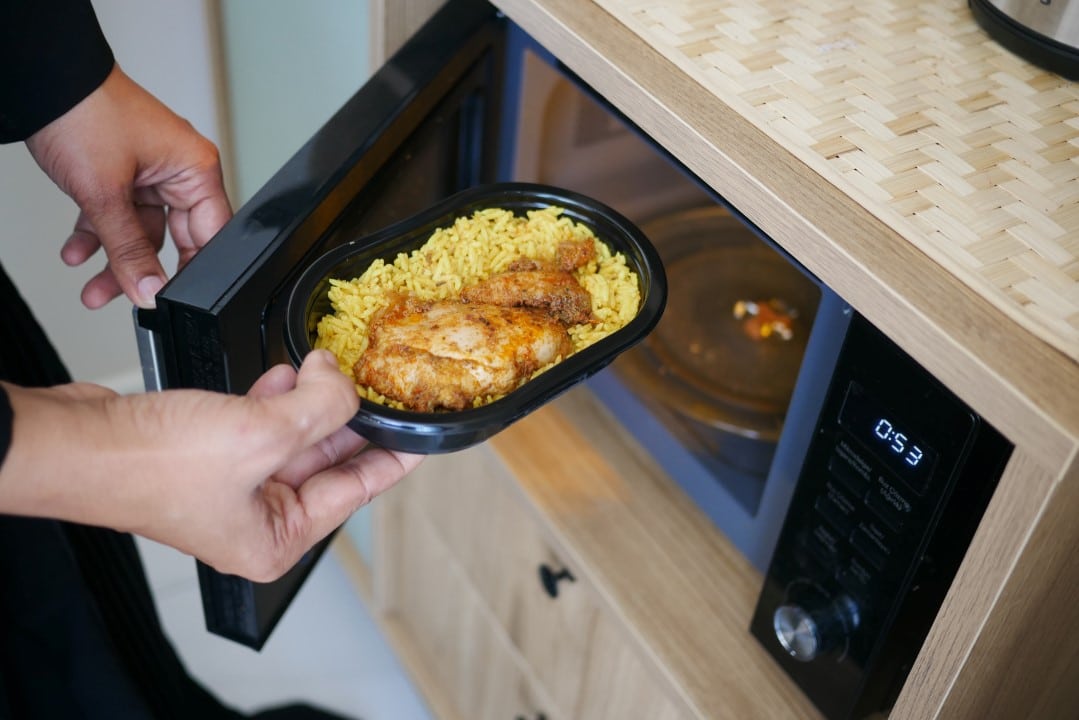
Contrário According to popular myth, the microwave consumes less energy than other common appliances in the Brazilian kitchen. Estudos point out that the speed of food preparation compensates for the high power operation, making the device an economical option for everyday life. Choosing the correct model, however, can further increase these savings on your electricity bill.
Especialistas in energy efficiency highlight that the calculation of energy consumed takes into account the multiplication between power and time of use. Como the microwave works for a few minutes, unlike conventional ovens that heat the entire space, the final bill is significantly lower throughout the month.
Como works on microwave power consumption
The device acts completely differently from a traditional oven. Enquanto the oven heats the air and wastes heat through the internal space, the microwave works directly on the water molecules of the food, heating the meal in minutes without losing thermal energy in the environment.
Essa efficiency in heat transfer explains why, in practice, monthly consumption is well below what many imagine. A 700W microwave used for 15 minutes a day consumes approximately 3.5 kilowatt-hours per month. Para comparison, a refrigerator consumes between 30 and 40 kWh per month and an electric oven can reach 20 kWh with occasional use only.
The power of the device should not be confused with waste. Justamente because the microwave concentrates its energy on the food and not on the surrounding space, it can carry out the work in a reduced time, compensating for any impression of high instantaneous consumption.

Modelos most economical on the current market
The market offers different versions of microwaves, each with specific energy consumption characteristics. Para those who prioritize savings, the simplest appliances without extra functions such as grill or convection use less energy per use.
Especialistas recommend paying attention to three main factors:
More on this story: Understand how aquariums, microwaves and even the weather sabotage your home Wi-Fi connection
- Potência between 600W and 700W offers a balance between speed and economy
- Capacidade of up to 20 liters reduces heating time
- Ausência with advanced features reduces total consumption
- Modelos with inverter technology maintains efficiency in partial heating
- Marcas with Inmetro certification guarantees accurate consumption data
The simplest microwaves on the market consume approximately 3.5 kWh monthly with regular use. Modelos with convection or built-in grill can consume 8 kWh or more, depending on the frequency of use of these additional functions. The annual difference can represent savings of up to 50 reais on your energy bill.
Potência and capacity define actual efficiency
The choice between different powers generates frequent doubts among consumers. A 700W appliance heats food faster than a 600W appliance, and this speed reduces the total operating time, balancing final consumption.
Capacidade also matters directly in this equation. A small 17-liter microwave heats a portion in less time than a 30-liter model with the same power. Para small families or people living alone, compact appliances offer better energy efficiency per use.
Além In addition, models with inverter technology maintain power more evenly throughout the heating cycle. Conventional Aparelhoss cycle on and off repeatedly to maintain temperature, which can waste more energy on transitions. Inverter technology distributes power continuously, resulting in up to 20% lower consumption in some cycles.
Consumidores that heat small portions or drinks gain more advantage with lower powers. Já Those who prepare full meals regularly benefit most from medium power models (700W) in moderate capacities (20 to 25 liters).
On the same topic: Electricity bill price for those who have solar energy: understand what changes with the drop in global costs
Comparação with other kitchen appliances
The refrigerator continues to be the appliance that consumes the most energy in Brazilian homes, operating 24 hours a day. Standard Modelo consumes between 30 and 40 kWh monthly, or approximately 10 times more than a simple microwave.
Traditional electric Forno also outperforms the microwave. Quando used to bake food for 40 minutes, a typical 2500W oven consumes about 1.67 kWh for this use alone. Fazer the same microwaved meal would take 10 to 15 minutes and consume only 0.17 to 0.25 kWh.
Induction Fogão presents interesting comparison. Embora is efficient in heat transfer, a small stove to boil water for 10 minutes consumes approximately 0.33 kWh. Esquentar the same water in the microwave would take 5 minutes and consume 0.08 kWh. The difference clearly favors the microwave for quick heating tasks.
Liquidificador and other small appliances use less energy in absolute time, but operate for even shorter periods. The microwave stands out precisely because it offers greater functionality with proportionally lower consumption than appliances for continuous use such as a refrigerator or freezer.
Dicas practices to further reduce consumption
Alguns simple habits enhance energy savings when using microwaves regularly. Cobrir food during heating reduces the time required, as it keeps the heat concentrated. Alimentos at room temperature heats up faster than food straight from the refrigerator, saving up to 30% energy in some cases.
Dividir large foods in smaller portions also improves efficiency. An entire dish heats up faster in multiple short cycles than in a single long cycle, contrary to the initial intuition of many users.
Learn more: Super El Niño forecast increases projection of electricity bill costs for Brazilian consumers in 2027
Verificar regularly sealing the door ensures that radiation does not escape during operation. Micro-waves with damaged seals work longer to reach the same temperature, increasing consumption. Limpeza also interferes with food residue in the chamber absorbing energy that should go to the food being heated.
Usar the appropriate power for each task offers considerable savings. Descongelar running at reduced power takes longer but consumes less energy than running at full power. Para heats already lukewarm drinks or food, using 50% power reduces time and energy spent.
Modern Aparelhos with humidity sensors automatically adjust the heating time, preventing overheating which wastes energy. Essa technology represents a larger initial investment, but pays off in reduced monthly consumption, especially for intensive use.
Cost-benefit Análise among available models
In the current market, simple 700W and 20 liter microwaves cost between 400 and 600 reais, while models with convection and grill cost more than 1,500 reais. The annual difference in consumption is around 50 reais — which would mean more than 20 years to amortize the additional cost of the more expensive model.
Para For most Brazilian consumers, a basic microwave offers a better cost-benefit ratio and lower energy consumption. Esses devices solve 90% of home heating tasks: heating drinks, defrosting food, reheating meals and preparing some dishes.
Consumidores that actually use convection or grill function regularly justify the investment in a more complete model. Cozinheiros amateurs or professionals who take advantage of these features gain enough versatility to compensate for the additional consumption in their specific routines.
The right choice depends on the individual usage profile. Quem spends just a few minutes heating meals and benefits much more from a simple economic model. Quem appreciates varied recipes and can accept slightly higher consumption due to the added versatility.