Prince William will liquidate part of the Duchy of Cornwall to invest in housing

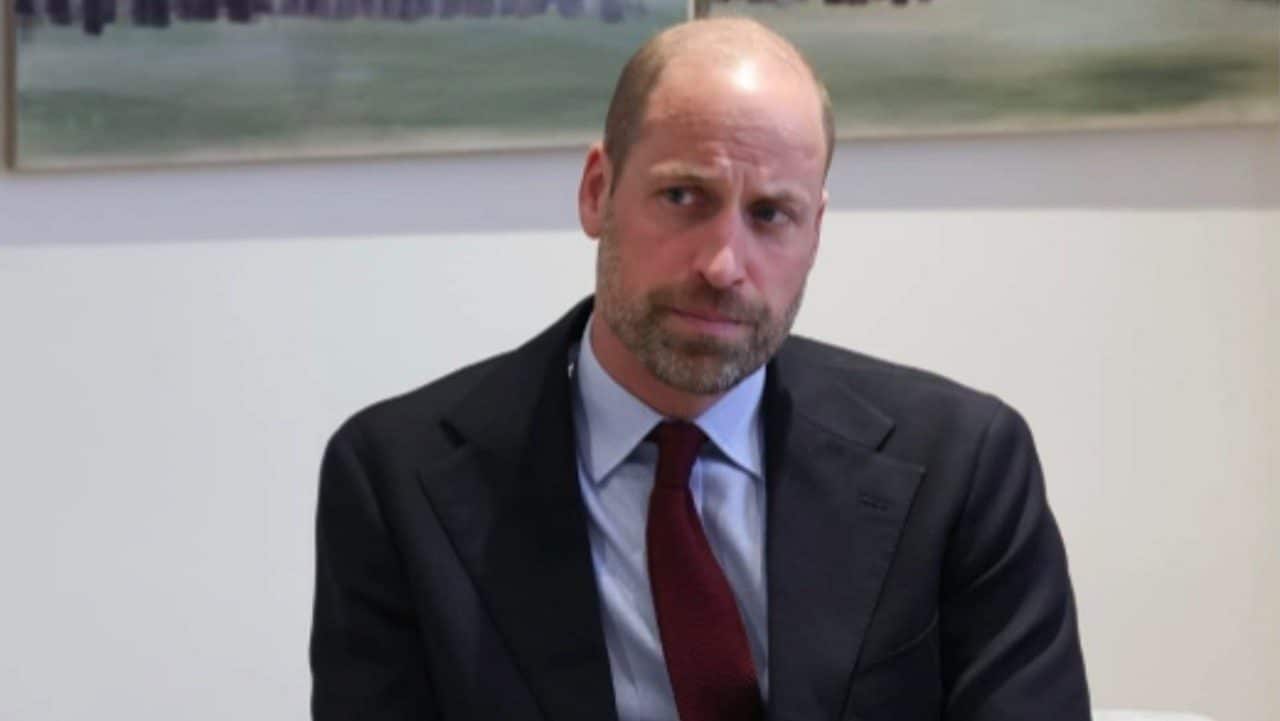
Príncipe William plans to sell a fifth of Ducado’s Cornualha to fund a £500 million program aimed at building affordable and sustainable homes. The operation will be completed over ten years and marks a strategic change in the management of the vast real estate estate that generates more than 20 million pounds annually for the heir to the throne.
Will Bax, executive director of Ducado, revealed to the newspaper The Times that Príncipe has established a clear guideline: heritage “should not exist merely to own land, but to have a positive impact on the world.” The decision is part of the modernizing efforts of the monarchy led by William himself.
Restructuração geographic heritage
The sales plan will concentrate the remaining properties into five main areas:
- Ilhas Scilly
- Cornualha
- Dartmoor
- Região from Bath
- Kennington, in Londres
Essa Reorganization responds to William’s call for transformation of the Dukedom during what it describes as a “period of change”. Bax, who assumed leadership of the institution in 2024, received a broad mandate to renew operations with a focus on combating climate change, responding to the housing crisis and stimulating economic growth in vulnerable communities.
Origem and evolution of ducal income
Ducado of Cornualha was founded in 1337 to finance the support of the heir to the throne. Atualmente, is valued at approximately £1.1 billion and comprises between 2,000 and 3,000 properties spread across 23 counties in Inglaterra and País of Gales, totaling between 130,000 and 140,000 acres.
William inherited the title and corresponding income in September 2022, when his father, Charles, ascended the throne. In the 2022-2023 financial year, the duchy recorded a net profit of 24 million pounds, divided between father and son in the proportion of 14 million and 16 million respectively. Para 2023-2024, the entire £23.6 million was allocated exclusively to William.
The duchy’s assets include rented residential properties, farms and agricultural land, commercial units such as shops and offices, as well as coastal and river rights in several regions. Diferentemente from Subvenção Soberana, which funds official functions of the monarch, Ducado operates as a separate commercial entity.
Impacto tax and personal wealth
The prince’s annual income exceeds 20 million pounds, on which he voluntarily pays income tax in accordance with an agreement established since 1993. Relatórios of the British press calculate that his net worth reaches approximately 949 million pounds, considering income from the duchy, family inheritances — including 26 million pounds received from his mother, Princesa Diana — and other assets. Somada to Kate Middleton’s estimated fortune of £7.9 million, the couple jointly own approximately £1.15 billion, excluding jewellery, additional properties, land and works of art.
Controvérsias in previous management
William’s decision coincides with criticism of the duchy’s previous administration. Recent Escândalos include collecting rent from public institutions, including hospitals and schools, as well as the case of Ministério of Justiça paying rent for a prison in Dartmoor evacuated over a year ago due to dangerous levels of radon gas. Críticos also point out the persistence of feudal privileges in patrimony operations.
Bax described these problems as operational legacies that the new mandate aims to transform. Priorities now center on climate sustainability, resolving Britain’s housing crisis and economic revitalization of marginalized areas.
Contexto wider of the royal family
Rei Charles, William’s father, has an estimated net worth of £1.8 billion, remaining the richest member of the royal family. Charles receives separate income from Ducado from Lancaster, an analogous structure that finances the reigning monarch.
The restructuring planned by William reflects growing concerns within the monarchy with social legitimacy and contemporary relevance. Investment in affordable housing targets critical area: Reino Unido’s housing crisis particularly affects low-income populations in the regions that William has identified to concentrate its remaining properties.
The staggered sale over a decade allows for a gradual transition while maintaining income streams in the process. Especialistas note that the maneuver balances philanthropic objectives with the financial sustainability of the assets, avoiding an abrupt impact on regional real estate markets.