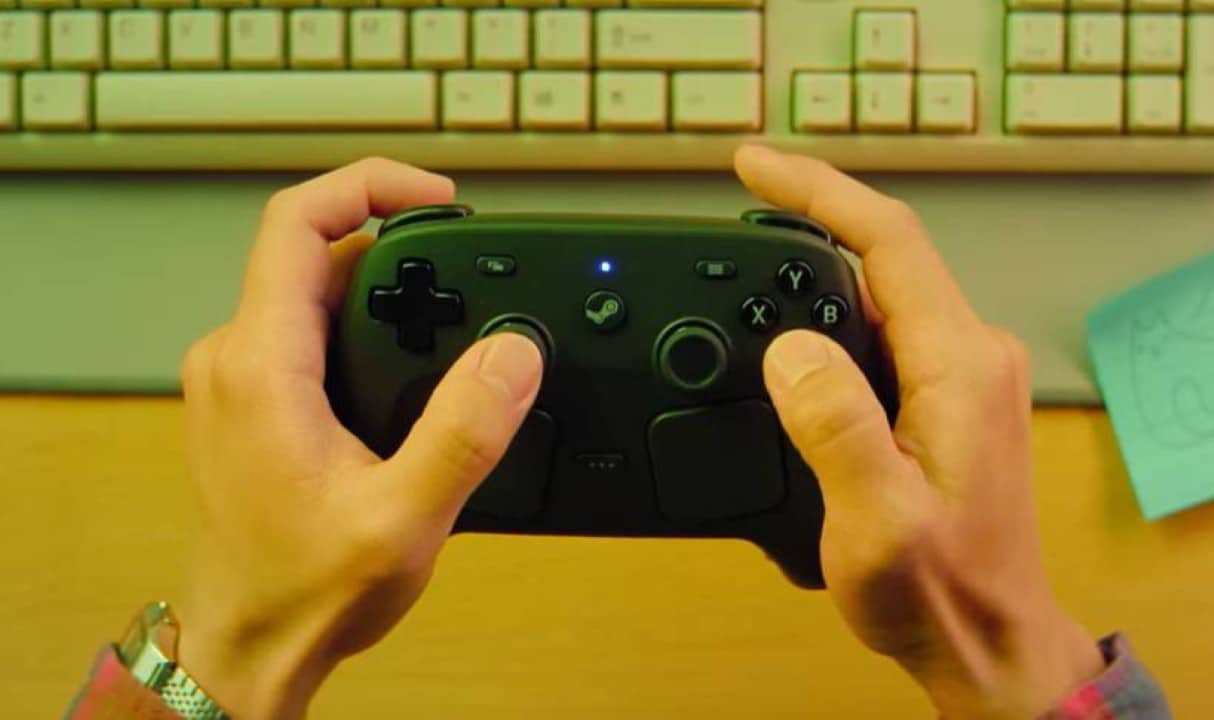
Valve confirmed the launch of the Steam Controller 2 for the price of 60 dollars on the international market. The device arrives with structural updates that meet the demands of the computer gaming community. The manufacturer has included a redesigned wireless receiver in the standard package. The engineering focus was to establish improved ergonomics to support long gaming sessions. The new feature integrates a commercial strategy to unify the user experience between computers and living rooms.
The project leverages technical learning gained from the commercial success of Steam Deck in recent years. The hardware team decided to revisit design concepts after analyzing practical user behavior on different platforms. Este new control seeks to resolve specific accuracy issues reported in the first generation of the device. Native integration with the operating system promises to facilitate initial configuration for less experienced consumers.
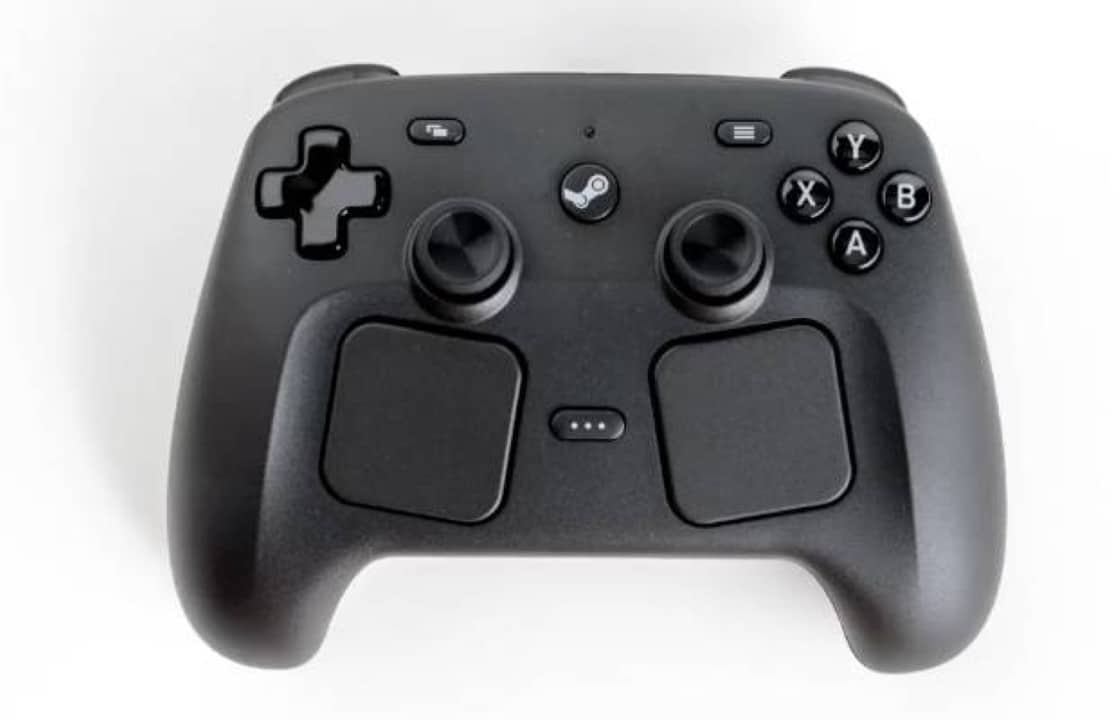
Redesigned Design prioritizes ergonomics and tactile response during matches
The control’s new chassis features smoother curves when compared to the original model launched almost a decade ago. Valve engineering removed the sharp corners of the plastic housing to avoid hand fatigue. Comfort has increased. The change benefits users during intense competitive matches. The programmable rear buttons have been retained on the main body. Eles now offer a quieter mechanical click and faster response time.
Internamente electronic components have undergone rigorous optimization to reduce input latency on Windows and SteamOS systems. The included wireless receiver uses a proprietary radio frequency. Essa technology prevents signal interference caused by routers and smart home devices. Jogadores who prefer the stability of physical connections can use the USB-C port located on the top of the accessory. The input is used to quickly charge the internal battery.
- Internal Bateria with estimated autonomy of 40 hours per full charge cycle
- High-precision Trackpads equipped with high-definition haptic feedback system
- Analog Gatilhos built with magnetic sensors to ensure greater mechanical durability
- Integrated six-axis Giroscópio for easy execution of motion commands
- Dedicated internal Memória for storing multiple button mapping profiles
The technical specifications place the device in direct competition with the premium controls offered by console manufacturers. The inclusion of magnetic sensors in the triggers eliminates the physical wear and tear common to conventional potentiometers. The feature extends the life of the equipment under intense daily use. The dual trackpads continue to be the brand’s differentiator for simulating the precision of a mouse in strategy games.
Retorno from Steam Machines bets on modular architecture to attract audiences
Além’s control-focused announcement, the company detailed initial plans for a new lineage of compact computers under the Steam Machines brand. The new hardware relies heavily on storage modularity to attract different consumer profiles. The business objective is to allow the buyer to choose the exact capacity of the solid state drive at the time of purchase. The system allows the user to easily upgrade parts in the future.
Essa approach aims to drastically reduce the financial cost of device entry into the global electronics market. The strategy allows the compact computer to compete directly on price with current generation desktop consoles. The case’s internal architecture facilitates quick access to the motherboard’s expansion slots. Essa design feature is considered rare in small form factor personal computers marketed by major automakers.
Valve projects that this hardware flexibility will be the main differentiator in winning over the public looking for the computer’s graphical power. The format delivers the practicality typical of closed home entertainment systems. The operating system interface has been adapted to work perfectly on large-screen televisions. The focus is total.
Projeto Steam Frame marks the manufacturer’s expansion into virtual reality
Recent rumors about Valve’s definitive entry into the affordable virtual reality market gained momentum with the mention of the Steam Frame project. The new Este headset is being developed to work seamlessly with the new Steam Machines and Steam Controller 2. The engineering team’s main focus is to ensure a stable frame refresh rate. The goal is to achieve this performance without requiring the consumer to invest in cost-prohibitive graphics cards.
Deep software integration will be the fundamental pillar supporting this new digital ecosystem. The structure allows the user’s game library to move between the brand’s different devices without technical friction. The company seeks to democratize access to high-fidelity virtual reality in the home environment. The market watches.
The preliminary design of the Steam Frame should utilize a pancake lens system in its optical construction. Choosing this material helps to significantly reduce the total weight of the display resting on the user’s head. Reducing measurements improves visual and physical comfort during prolonged use of the equipment.
Unification Estratégia seeks to simplify the user experience on Windows
Valve’s corporate move signals a clear attempt to create a cohesive digital environment for the end consumer. The proposal ensures that the player does not need to worry about compatibility issues between parts. Cada component of the new hardware was designed to communicate natively with the Big Picture interface. Standardization eliminates the need to search for third-party drivers on the internet.
Analistas financiers from the technology sector point out that the suggested price of 60 dollars for the control is extremely aggressive. The established value is enough to bother traditional brands that dominate the sale of peripherals. By offering a complete package of advanced features for this cost, the company strengthens its institutional image. The strategy works.
The technology market is now awaiting the announcement of official shipping dates for the first units sold in the pre-sale phase. Initial control stocks are expected to run out quickly due to high pent-up demand. The expansion of the product line demonstrates a long-term commitment to innovation in the digital entertainment sector.