
Geely starts sales of electric compact with 289 km of range to intensify competition in the country

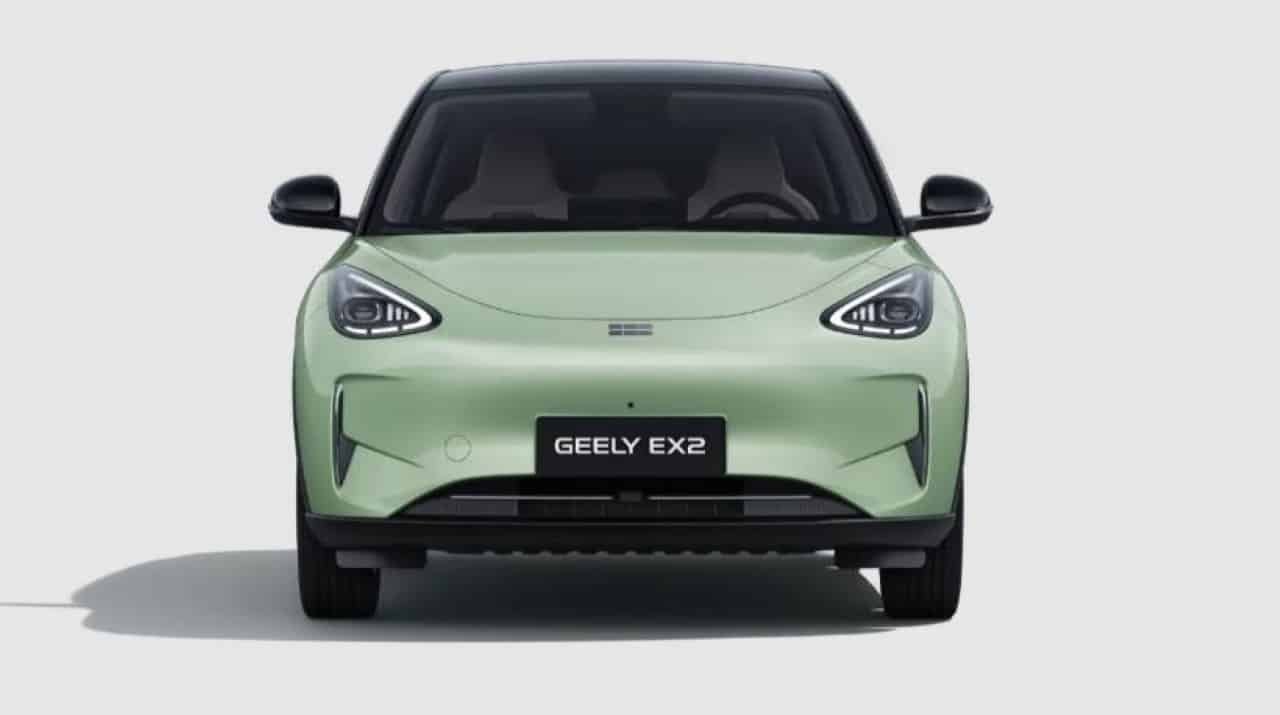
Asian manufacturer Geely has officially announced the arrival of its latest passenger vehicle on the Brazilian market, expanding its zero-emission portfolio in the country. The EX2 model arrives at dealerships with a starting price set at R$119,990, positioning itself as a direct alternative for consumers who plan to abandon combustion engines. The novelty represents the automaker’s second step into the national territory, shortly after the introduction of the EX5 sports utility vehicle. The version with a complete equipment package costs R$ 135,100 in authorized stores.
The commercial movement seeks to capture a growing share of drivers interested in sustainable urban mobility and daily savings. The imported car brings with it an impressive history of acceptance in the Ásia, where it registered more than 300 thousand units sold throughout 2025. The arrival of the compact hatch intensifies competition in the entry-level electrified segment, demanding quick responses from rival brands that already operate in the Brasil. The central proposal combines dimensions suitable for large metropolises with an efficient mechanical set.

Arquitetura modern and performance focused on urban traffic
The EX2’s engineering design uses the SEA modular platform, the same structural base that equips the Volvo EX30. Essa technological choice allows for superior use of internal space, ensuring comfortable accommodation for up to five adult occupants. External measurements reveal a total length of 4.13 meters, combined with a distance between the axles of 2.65 meters. Tais proportions bring the cabin closer to the comfort found in compact sports utility vehicles, contradicting the visual perception of a vehicle with reduced dimensions.
The mechanical set delivers agile responses to the daily challenges of urban roads and short-distance highways. The electric drive develops a maximum power of 116 horsepower, working together with a torque of 15.3 kgfm available instantly at the touch of the pedal. The measured performance shows acceleration from zero to 100 km/h in exactly 10.2 seconds. The final speed is electronically limited at the 140 km/h mark, prioritizing safety and preserving the charge stored in the energy modules.
Eficiência energetic and battery recharging options
Energy storage takes place via a lithium iron phosphate battery pack with a total capacity of 39.4 kWh. Esse key component ensures an operational range of 289 kilometers, a number validated by rigorous testing of the Instituto Nacional, Metrologia, Qualidade and Tecnologia. The recorded electrical consumption reaches the mark of 0.39 MJ/km, resulting in an extremely low operating cost for the owner. Cálculos based on the country’s average residential rates indicate an approximate expense of just R$0.09 for each kilometer traveled on the streets.
The refueling infrastructure offers different alternatives to adapt the vehicle to the routine of Brazilian drivers. The use of fast charging stations with a power of 70 kW allows the battery level to be raised from 30% to 80% in just 21 minutes. Para users who prefer home charging, connecting to conventional 220V sockets requires around six and a half hours to complete the full cycle. Essa flexibility facilitates short trip planning and continuous use in passenger transport applications.
Tecnologia on-board and vehicle safety package
The national catalog was structured into two distinct configurations of finish and convenience. The entry-level option, called Pro, offers a central dashboard dominated by a 14.6-inch touchscreen dedicated to the entertainment system. The driver receives driving data via an 8.8-inch digital instrument cluster. The exterior looks like 15-inch alloy wheels and an optical package with full LED technology. The color palette offers modern tones, such as Verde Pistache and Branco Horizonte, for a financial increase of R$2,000.
The top-of-the-line variant, called Max, raises the level of driver assistance with the inclusion of adaptive cruise control. The technological package adds a camera system with a 360-degree panoramic view, simplifying maneuvers in tight garages of vertical condominiums. The interior features an induction charger for smartphones, while the exterior features a black painted roof to generate visual contrast. Ambas versions have native 4G internet, allowing remote software updates via the brand’s official app, without the need to schedule visits to the workshop.
Occupant protection received special attention in the development of the car’s structural design. The automaker included six airbags as standard in all units sold in the national market, regardless of the version chosen. Electronic traction and stability control systems continuously monitor the car’s behavior, correcting the trajectory in situations of loss of grip or wet asphalt. The high height of 1.58 meters improves visibility in traffic, while the contained weight of 1,300 kg guarantees agility when changing lanes.
Estratégia market and dealership network expansion
The price positioning adopted by the manufacturer puts the new model on a direct collision course with other established Asian compacts. The commercial strategy aims to attract both small families and self-employed professionals looking to reduce daily operating costs. The vehicle presents clear competitive advantages when placed side by side with its direct rivals in the entry-level segment.
- The official range of 289 kilometers surpasses the mark of the BYD Dolphin Mini, which delivers 280 kilometers under the same evaluation criteria.
- The electric motor generates 116 horsepower, superior to the 75 horsepower of its main competitor of Chinese origin.
- The main trunk holds 375 liters, offering 125 liters more useful luggage volume compared to its direct opponent.
The total load capacity is impressive for the category, reaching 1,320 liters with the rear seats completely folded down. The design also includes an extra compartment under the front hood, providing an additional 70 liters, ideal for storing power cables and small objects. The consolidation of this proposal in Brasil directly depends on the construction of a robust service infrastructure. Corporate planning establishes the goal of opening 105 points of sale and technical assistance by the end of 2026.
Parts and vehicle distribution logistics rely on operational support from Renault, optimizing the flow of components throughout the national territory. The first units begin to be delivered to buyers in December, with an initial focus on the metropolitan regions of São Paulo and Rio and Janeiro. The preventive maintenance plan establishes an average annual cost of R$1,200 in authorized workshops, guaranteeing financial predictability for owners. The high voltage system warranty covers the vehicle for eight years or 150,000 kilometers driven, complemented by an emergency assistance service available 24 hours a day.





