
GWM schedules debut of hybrid sports utility vehicle with semi-autonomous driving for 2026

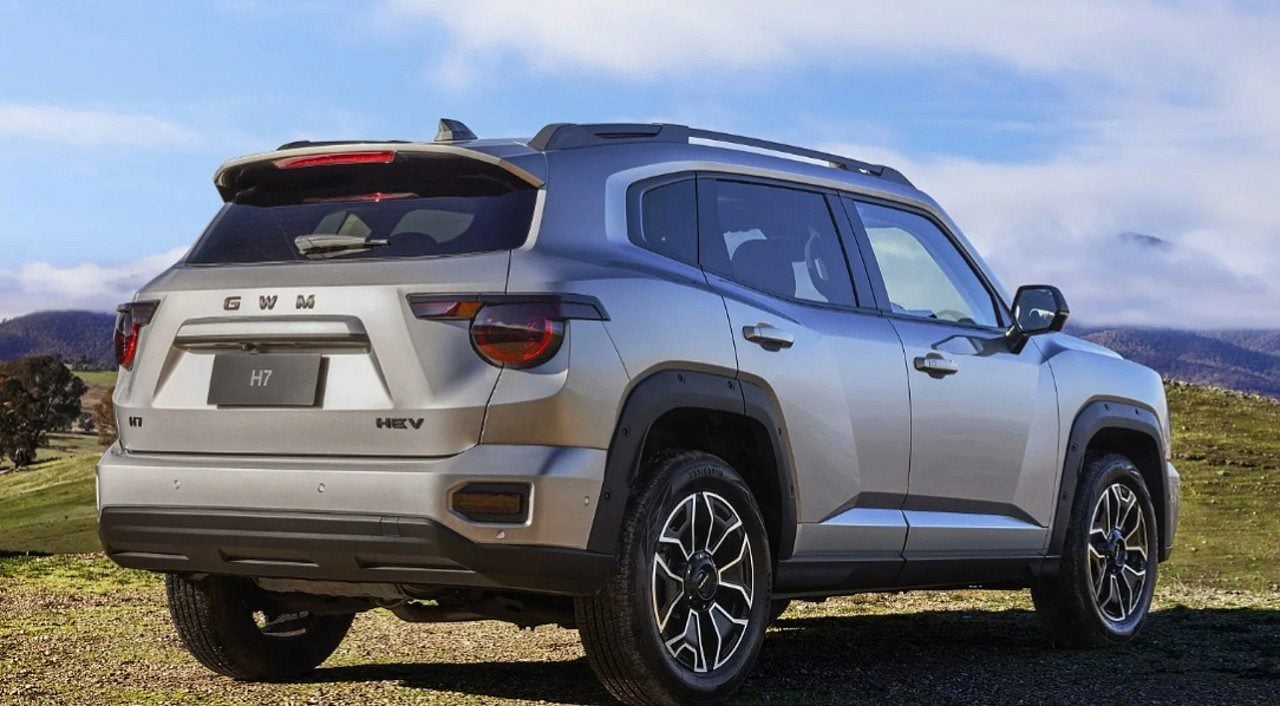
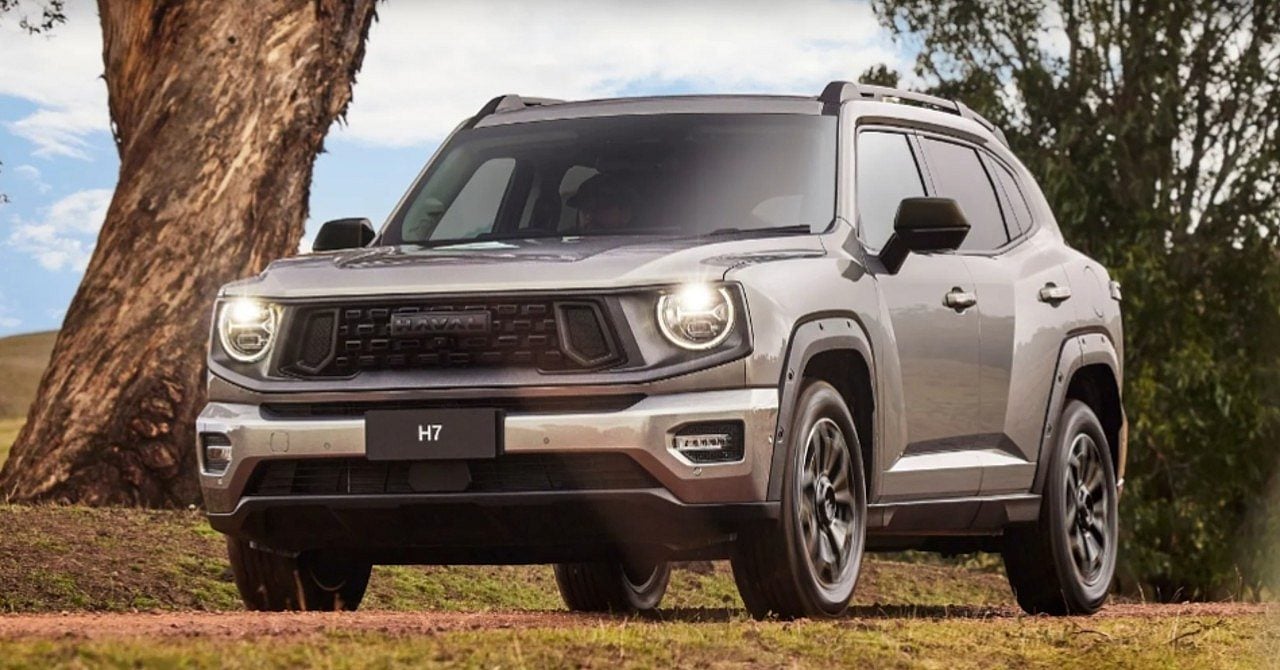
Asian manufacturer GWM has set the introduction of a new vehicle in the Brazilian automotive market for the year 2026. The Haval H7 sports utility vehicle arrives in the country with a plug-in hybrid engine and an advanced driver assistance package. The commercial strategy aims to position the product in a competitive price range. The move expands the automaker’s presence in the midsize segment.
The company’s strategic planning seeks to attract consumers who currently opt for traditional combustion models or electrified versions from competing brands. The arrival of the vehicle intensifies the dispute for market share between manufacturers installed in the national territory. Especialistas from the automotive sector observe an accelerated transition in the consumption profile. Buyers demand superior levels of energy efficiency.
Arquitetura vehicle and strategic commercial positioning
The engineering project designed a car with significant dimensions for the category. The body measures approximately 4.8 meters in total length. The internal space favors occupant comfort and load capacity. The luggage compartment holds around 586 liters of useful volume. Estas measurements place the product at a higher level than the current Haval H6. The automaker structures a vertical expansion of its catalog of offers.
Pricing policy represents a determining factor in product insertion. The manufacturer works with an estimated list value below the R$300,000 mark. The central objective is to fill a specific commercial gap. The vehicle will operate in the intermediate range between conventional medium-sized utility vehicles and higher category electrified models. The commercial tactic aims to capture customers looking for technological updates without bearing the costs of premium brands.
The car’s family profile establishes clear differences in relation to its direct rivals. Produtos consolidated as Toyota Corolla Cross and Jeep Compass base their sales on the strength of the brand and the extensive dealer network. GWM’s alternative focuses on delivering superior technical specifications. The consumer evaluates the relationship between the acquisition cost and the equipment on board. The perception of added value becomes the main sales argument in the chain’s stores.
Desempenho mechanical and energy efficiency of the assembly
The mechanical configuration integrates a 1.5-liter combustion engine with turbocharger and a high-capacity electrical system. The plug-in hybrid architecture allows batteries to be charged from external power grids. The combined power of the powertrain reaches values between 326 hp and 364 hp. Este driving force level surpasses the vast majority of vehicles offered in the same price range. Dynamic performance constitutes a relevant competitive differentiator.
Mechanical performance puts the product at a numerical advantage over direct competitors. Modelos like BYD Song Plus and Jaecoo 7 also use electrified systems. Rivals have lower power figures than the new GWM utility vehicle. The adoption of hybrid technology meets new regulatory requirements for pollutant emissions. The global automotive market is moving towards the gradual replacement of exclusively combustion engines.
Electronic engine management optimizes fuel consumption in different usage scenarios. The system guarantees autonomy in purely electric mode for daily journeys in urban centers. The joint operation of the engines provides the power necessary for safe overtaking on highways. The flexibility of use attracts drivers with diverse routines. The owner reduces fueling costs in the city and maintains the ability to make long trips without worrying about recharging.
Equipamentos embedded security and connectivity
The internal environment stands out for the presence of large digital interfaces. The instrument panel utilizes a configurable 10.2-inch screen to display vital operating data. The driver monitors instantaneous consumption and energy reserve in real time. The center of the panel houses a multimedia center with a 14.7-inch display. The equipment contains climate control, entertainment and vehicle settings controls.
The driving assistance package incorporates high-precision sensors to monitor traffic around the car. Embedded technology raises the active safety standard in the category. Key features available include:
- Monitoramento of the external environment through cameras with 360 degree vision
- Sistema autonomous emergency braking with obstacle detection
- Controle adaptive cruise speed for road trips
- Integrated LiDAR sensor to enable semi-autonomous driving
The inclusion of laser radar represents a technological milestone for the medium utility vehicle segment. The component maps the environment in three dimensions with extreme precision. Detailed reading of the scenario allows the on-board computer to make quick decisions in risky situations. Traditional vehicles in the same price range offer simpler safety packages. The democratization of these technologies changes the expectations of Brazilian buyers.
Impacto marketing and reconfiguration of competition
GWM’s product offensive provokes immediate reactions in the planning departments of rival automakers. The new sports utility vehicle exerts commercial pressure on two distinct fronts. The first hits sales leaders with heat engines, including the Volkswagen Taos. The second front targets electrified models of Asian origin that have gained recent popularity. Traditional brands have dominated license plates for years based on mechanical reliability.
The direct clash with the BYD Song Plus defines the direction of the plug-in hybrid segment. The rival focuses its communication on consumption efficiency and aggressive entry price. GWM’s product counterattacks with superlative power numbers and a denser technological arsenal. The dispute between Chinese manufacturers benefits the end consumer with more equipped options. The national market sees an increase in the standard of demand for the category.
The structuring of the portfolio demonstrates the manufacturer’s long-term vision in Brazilian territory. The Haval H6 maintains its role as the gateway to the company’s line of medium-duty utility vehicles. The superior model fills a strategic market gap. The brand is able to retain customers looking to exchange a vehicle within the dealership itself. The continued demand for sports utility vehicles supports the company’s investments. The annual growth in sales of electrified cars consolidates the change in national driver behavior.





