
Huawei launches new premium cell phone with 6,500 mAh battery and unprecedented photographic design


Asian manufacturer Huawei has officially presented the standard model of its new line of high-performance mobile devices. The device arrives on the Chinese market with a reduced thickness of just 7 millimeters and a set of specifications aimed at demanding users. The company is betting on a distinct visual identity to differentiate the base version from the more expensive variants of the same family. Product development focused on balancing compact dimensions with advanced hardware components.
The mobile device integrates updated processing components and a redesigned image capture module. Analistas from the technology sector note that the brand seeks to consolidate its presence in the domestic market with competitive alternatives. The commercial strategy involves offering high energy capacity in an extremely thin chassis. Consumidores locations will be able to purchase the equipment in physical stores and e-commerce platforms from the first half of May.
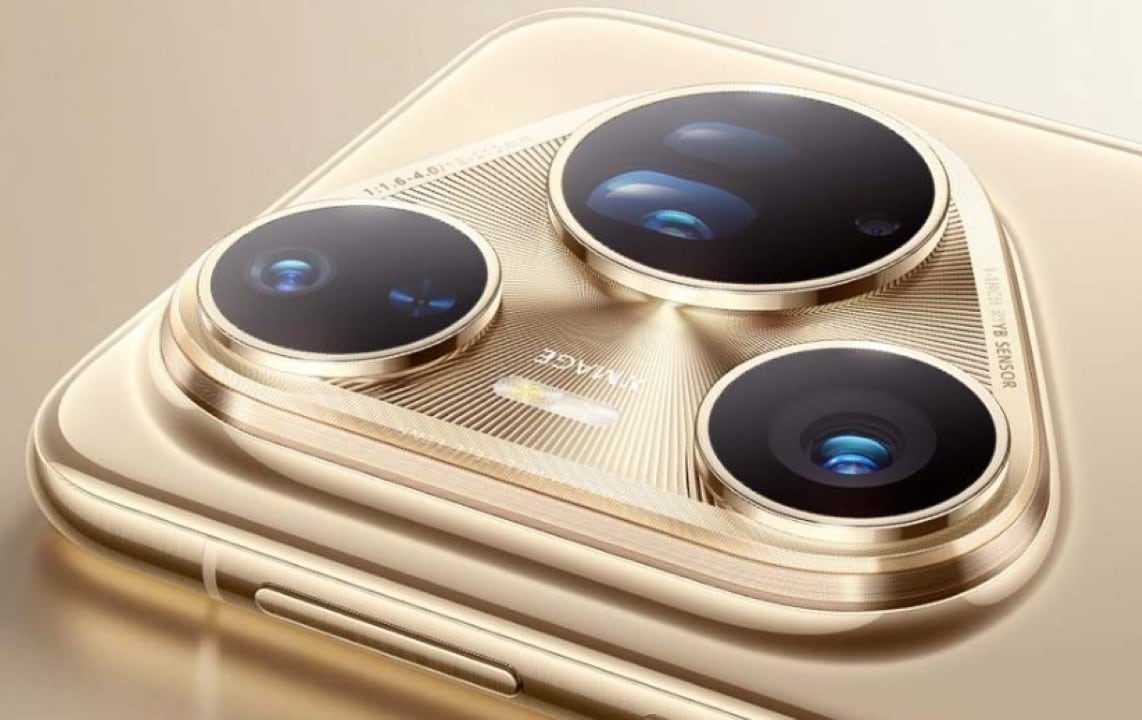
Arquitetura photographic gains rounded contours and advanced lenses
The rear panel of the equipment displays a significant change in the arrangement of optical sensors. The company’s engineers chose to group the lenses in a circular island, distancing the look from the triangular pattern adopted in the higher versions of the series. Essa aesthetic modification creates a unique visual signature for the entry-level premium model. The finish seeks to combine technical functionality and ergonomic design to facilitate daily handling.
The image capture setup is structured to provide versatility in different lighting scenarios. The main photography hardware uses optical image stabilization to reduce distortion in sudden movements. Usuários can record photographs with high color fidelity and improved sharpness. The system operates in conjunction with processing algorithms that optimize the final image result in fractions of a second. Light collection has been improved for nighttime environments.
The set of rear and front cameras has the following technical specifications detailed by the manufacturer during the presentation event:
- Lente 50-megapixel main camera equipped with optical stabilization and f/1.8 aperture.
- Sensor 50 megapixel periscopic telephoto capable of achieving 3.7 times optical zoom.
- 12.5-megapixel ultra-wide-angle Câmera with f/2.2 aperture for wide landscape captures.
- 50 megapixel front Componente integrated with Red Maple color calibration technology.
The device’s front interface features a centralized pill-shaped cutout to house the selfie sensor and facial recognition components. The 6.8-inch screen uses LTPO technology, allowing an adaptive refresh rate that reaches up to 120 Hz depending on the content displayed. The panel delivers FHD+ resolution and has the capacity to reproduce more than a billion different shades. Essa visual fluidity favors the consumption of high definition media and continuous browsing on social networks.
Updated Processamento focuses on energy efficiency and artificial intelligence
The smartphone’s processing core is controlled by the Kirin 9010S chip. The manufacturer reports that the silicon component provides a 15% increase in overall performance when compared to previous generation processors. The 7 nanometer architecture ensures agile execution of multiple simultaneous applications. The hardware works in tune with robust random access memory options. Preliminary Testes indicates thermal stability.
Consumidores can choose between variants equipped with 12 GB or 16 GB of RAM. Space for storing files, photos and applications starts at 256 GB in the most basic version. The most complete edition of the device offers 512 GB of internal capacity. Essas technical specifications guarantee a prolonged device life in the face of constant software updates and increasing media file sizes.
Management of all device functions occurs through the HarmonyOS 6.1 operating system. The platform developed internally by the company features tools based on artificial intelligence to optimize the user’s routine. The software learns daily usage patterns and directs processing resources to the most frequently accessed applications. The graphical interface received refinements to make navigation more intuitive, responsive and integrated with the brand’s product ecosystem.
Power Autonomia outperforms more expensive variants of the same line
The energy storage component represents one of the biggest technical highlights of the new equipment. The device houses a battery with a total capacity of 6,500 mAh. Esse energy volume exceeds the specification found in the Pro Max model from the same family, which has 6,000 mAh. The internal engineering managed to accommodate the high-density power cell without compromising the thin thickness of the metal and glass chassis.
The power replacement system supports wired charging with a maximum power of 100W. Essa technology allows the user to recover a significant percentage of the charge in short intervals of time. The device also supports 50W wireless charging. The reverse charging function is present to power smaller accessories, such as headphones and smart watches, using the cell phone’s own battery as a power source.
Especialistas from the mobility sector point out that the combination of a robust battery with an efficient processor results in long periods away from sockets. The device’s thermal management works to dissipate heat generated during intense use sessions or rapid recharges. The durability of the charge serves professionals who depend on their cell phones for constant communication, recording videos and consuming mobile data throughout the working day.
Estratégia market and trading values in Asian territory
Commercial distribution of the smartphone is scheduled to begin on May 9th in China’s physical and virtual stores. The entry-level model, configured with 12 GB of RAM and 256 GB of internal space, has a suggested price of 4,699 yuan. The value corresponds to approximately R$3,400 in direct currency conversion, excluding import taxes. The pricing strategy seeks to attract consumers who want premium specifications without reaching the upper category spending ceiling.
The intermediate version of the device, which doubles the storage to 512 GB while maintaining 12 GB of memory, hits shelves for 5,199 yuan. The amount is equivalent to around R$3,800 at the current exchange rate. The most advanced model in the standard line, equipped with 16 GB of RAM and 512 GB of space, will cost Chinese consumers 5,699 yuan. The final price of this variant reaches approximately R$4,100, positioning the product aggressively against direct competitors in the local market.
The technology company maintains its initial sales focus restricted to its country of origin. Não there are official announcements about expanding product availability to Western or Latin American markets in the near future. The company continues to strengthen its own ecosystem of services and applications to circumvent international trade restrictions. The launch reinforces the brand’s catalog in a highly competitive and demanding sector for constant innovations in hardware and software.





