
Japanese manufacturer suspends sales of electric SUV in Europe and focuses on new urban compact

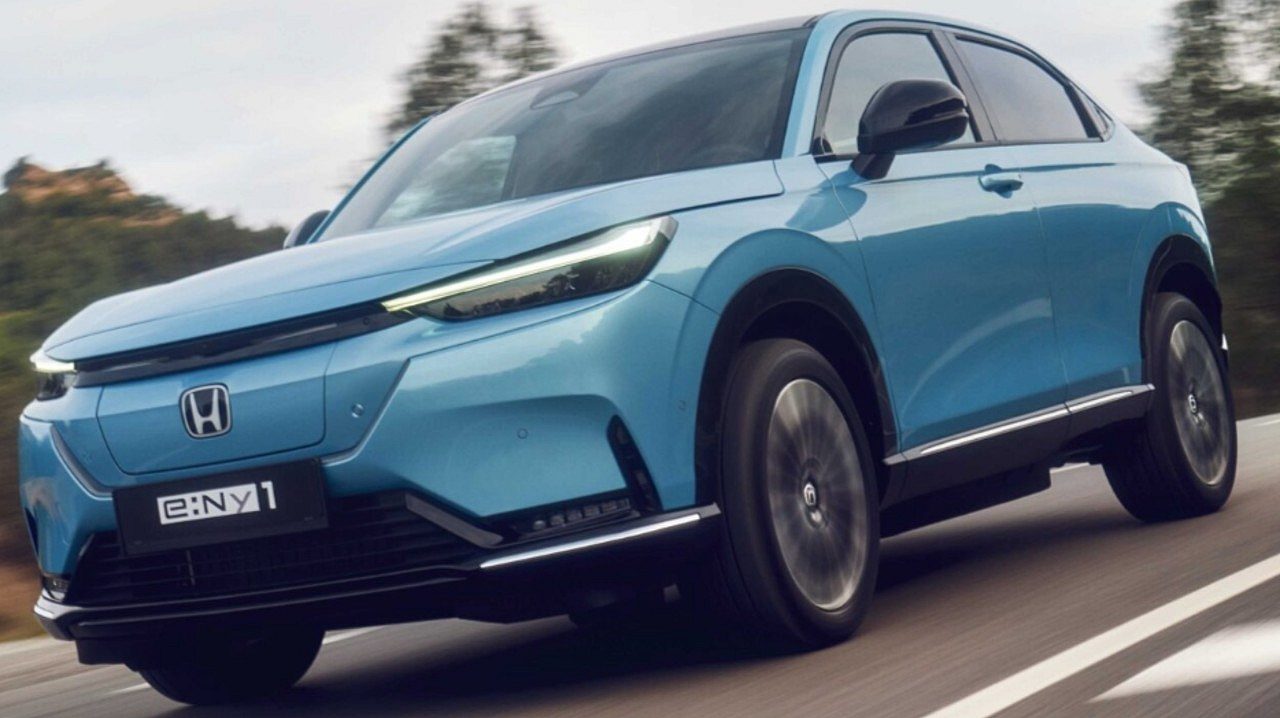
Honda has started the process of withdrawing the e:Ny1 sports utility vehicle from several European automotive markets. The all-electric vehicle disappeared from the brand’s official configurators in strategic countries. The commercial decision comes three years after the product’s official debut in dealerships. Fabricantes Asians face stiff competition on the continent. The move significantly changes the Japanese company’s portfolio in the region.
The removal of the digital catalog directly affects consumers at Alemanha, Itália, Espanha, Reino Unido and Suíça. The remaining stock of the model will be redirected to the Nordic nations and the British market. Initial demand in these locations showed numbers slightly higher than those recorded in the rest of the continent. The space left by the utility on the assembly lines will be occupied by a new project. The automaker is preparing to launch a compact hatchback with an urban focus for the month of July.
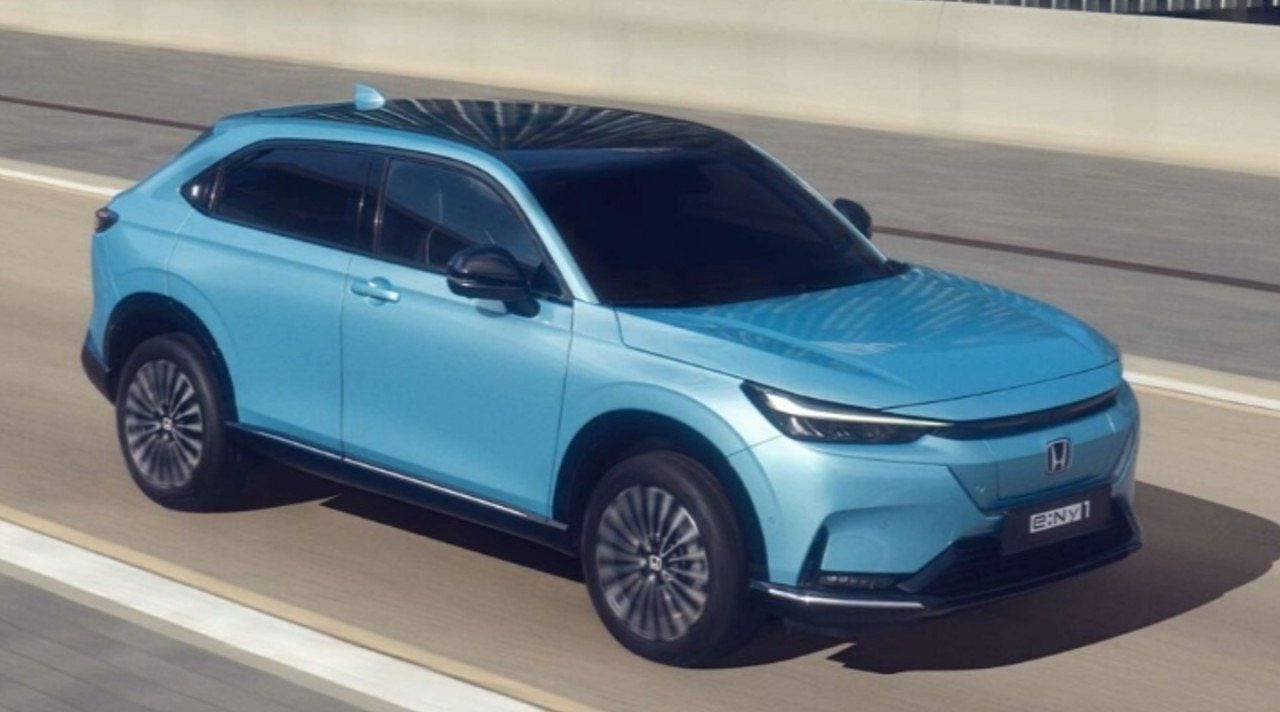
Desempenho commercial below expectations on the continent
The project emerged as the manufacturer’s first fully battery-powered sports utility vehicle on the European market. The engineering team developed the car in partnership with Chinese company Dongfeng. The vehicle shared the structural platform and several visual elements with the hybrid version of the HR-V. The adaptation for the Europa included modifications to the front grille to house the power charging port. The interior received specific technological updates to meet the demands of the local public.
The model encountered difficulties in establishing a consistent volume of registrations in the face of the offer from direct competitors. European and Chinese Marcas offered options with more aggressive prices at dealerships. The German market illustrates the rapid decline in product acceptance by drivers. Official records indicate the sale of just 105 units throughout 2025. The number represents a sharp drop compared to the 795 vehicles sold in 2024.
The Japanese parent company did not publish a formal statement about the end of the commercial phase of the utility. Cleaning regional sites serves as a practical indicator of corporate strategy change. Clientes, França and Áustria can still access the car configuration page on the internet. Availability in these locations depends exclusively on units already manufactured and distributed through the logistics network.
- German Concessionárias registered low demand even after price reduction campaigns.
- Plataformas sales figures were updated without the presence of the sport utility vehicle.
- The remaining Lotes go to regions with a history of greater acceptance of electrical technology.
- Executivos rule out any plan to return the vehicle to the brand’s main catalog.
The distributor network is now working to dispose of the last copies available in the yards. The relocation strategy avoids the accumulation of vehicles in markets with low turnover. The European automotive sector is going through a period of readjustment in the sales volumes of electric cars. The automaker adjusts its production to avoid operational losses with idle inventories.
Especificações discontinued sport utility vehicle techniques
The e:N Architecture F architecture served as the structural basis for the entire mechanical assembly of the car. The electric motor installed on the front axle delivered 204 maximum horsepower. The available torque reached 310 Nm during immediate acceleration. The energy storage system used a battery with a total capacity of 68.8 kWh. The component guarantees a range of up to 412 kilometers in the WLTP combined cycle.
The time needed to recover the battery charge required planning from drivers on long trips. Recharging from 10% to 80% took approximately 45 minutes at 100 kW fast stations. The vehicle’s on-board charger supported alternating currents of up to 11 kW in residential installations. The total weight of the car was around 1,756 kilos. Acceleration from zero to 100 km/h took exactly 7.6 seconds.
The vehicle’s maximum speed was electronically limited to 160 km/h for safety and efficiency reasons. The interior environment highlighted a 15.1-inch touchscreen positioned vertically on the center panel. The equipment contained climate control, navigation and entertainment controls. The multimedia system offered complete integration with the Android Auto and Apple CarPlay protocols. Traction operated exclusively on the front wheels of the vehicle.
Chegada of the compact model changes the automaker’s portfolio
The company’s electrification strategy will now focus on the launch of the Super-N model from the second half of the year. The new hatchback has considerably smaller dimensions compared to the discontinued utility vehicle. The starting price of the vehicle at Reino Unido will be below the £20,000 mark. The value is equivalent to approximately 27 thousand dollars at the current exchange rate. The schedule foresees the simultaneous debut on Japão and the British market.
The compact’s design adopts a development philosophy that is far from that applied to traditional sports utility vehicles. The designers sought inspiration from retro lines and the shape of the N-One electric kei car sold in the Asian market. Engineering prioritized agility in urban traffic and the reduction of production costs. The central objective involves delivering a dynamic driving experience on short, everyday journeys.
The manufacturer keeps definitive technical data on the battery capacity and autonomy of the European version confidential. The commercial proposal targets consumers looking for their first entry-level electric car. The reduction in the final price acts as the main sales argument for the new product at dealerships. The expansion of availability to other countries on the continent will occur gradually after the first months of commercialization.
Strategic brand Reposicionamento in the automotive market
The transition between models leaves the dealership network temporarily without a 100% electric option in several territories. The offer interval will last until the arrival of the first lots of the urban compact in the middle of the year. The board is betting on a cheaper vehicle that is aligned with the mobility needs in large centers. The change reflects an adjustment in global automotive sector sales projections for the year 2026.
Inventory restrictions block acceptance of new custom orders in European stores. Sellers work exclusively with the transfer of units that are already in logistics yards. The brand’s presence on the continent is sustained through the sale of vehicles equipped with hybrid engines. The transition technology guarantees the volume of registrations necessary to maintain commercial operations.
The product replacement movement is part of the automaker’s long-term plan for the region. The company continues to invest in research and development of new low-cost electrified platforms. The adequacy of the portfolio responds directly to the number of license plates registered by local transit agencies. Factories adjust the production pace according to the real demand from official importers.





