

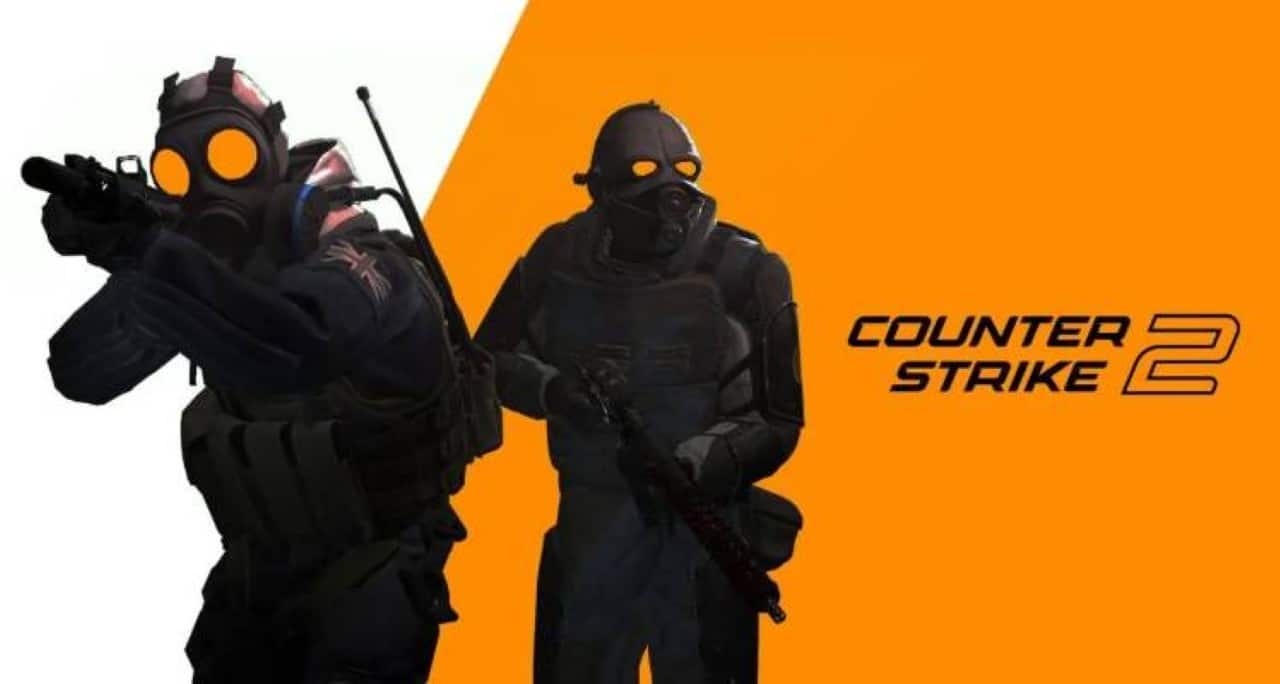
Universidade of Oeste Paulista integrated the electronic game Counter-Strike into the official curriculum of the undergraduate medical course. The discipline, called “First Person Surgeons”, takes up an entire semester and focuses on developing students’ fine motor skills. The unprecedented project transforms the virtual first-person shooter environment into a preparatory stage for complex medical procedures. The inaugural class of the module was attended by professional player Gabriel Toledo, known in the competitive scene as FalleN. The esports athlete took on the role of instructor to demonstrate the practical application of digital commands in clinical routine.
The initiative arose from a partnership between the educational institution, the electronic sports organization FURIA and the agency Publicitários Criativos. Pedagogical planning is based on scientific evidence about the impact of digital games on human manual dexterity. Pesquisadores observed the superior agility of individuals accustomed to video games for years. Digital training precedes university students’ contact with traditional medical simulators. The college invested more than R$3 million in structuring skills and simulation laboratories. The space houses state-of-the-art equipment. The structure ensures the safe transition from the virtual environment to highly complex surgical practice. Students need to achieve specific accuracy goals in the game before progressing to handling real scalpels and tweezers.
Scientific Fundamentação brings digital controls closer to surgical centers
Estudos recent clinicians validate the adoption of digital entertainment platforms in training healthcare professionals. Cirurgiões that maintain an active electronic gaming routine record lower failure rates during real interventions. Agility in decision making also shows significant improvement in these control groups. The protocol established by the São Paulo university isolates the precision mechanics required by the Counter-Strike. Students train visual focus and hand-eye coordination extensively. Repetition of movements on the keyboard and mouse creates essential muscle memory for the future doctor.
Cognitive intelligence receives continuous stimulation during virtual matches. The player’s brain processes multiple information simultaneously on the computer screen. Essa controlled overload prepares the nervous system for the unpredictable environment of a hospital. Reaction time drops dramatically after weeks of intensive practice. The method reduces the initial learning curve considerably, allowing students to approach physical simulators with an already established motor base. The precision required to hit virtual targets translates into the delicacy required to manipulate human tissue.
Professional Atleta details similarities between competitions and operations
The two-time Counter-Strike world champion shared experiences about emotional control in situations of extreme pressure. Gabriel Toledo drew direct parallels between the decisive moments of an international championship and the emergencies of an operating table. The FURIA team captain explained the concept of clearing outside noise. The mental technique serves to block distractions and focus only on the vital data of the moment. A professional player needs to ignore the crowd’s screams to hear his opponent’s footsteps on the map. The surgeon needs the same coolness. Ele must bypass the chaos of an emergency room to monitor a patient’s vital signs with absolute clarity.
The game’s tactical discipline requires constant analysis of the scenario and quick adaptation to new variables. Communication defines mission success. The medical environment demands exactly the same level of synchrony between anesthetists, nurses and primary surgeons. The presence of a central figure in electronic sports in the academic environment breaks traditional paradigms of health education. The athlete detailed how leadership works within virtual servers. The distribution of tasks and mutual trust sustain victories in world tournaments. Medical students absorbed concepts of dynamic hierarchy, where the voice of command changes according to the needs of the situation.
Competências transferable from the virtual environment to clinical practice
The course methodology isolates specific game skills for direct application in medicine. Teachers assess student progress through digital performance metrics. Mouse control translates into steady hands. The academic program mapped the main skills developed during the Counter-Strike sessions throughout the academic semester.
- Avaliação of risks and immediate decision making under high levels of stress in fractions of a second.
- Controle fine motor for executing millimetric movements with delicate and sensitive instruments.
- Spatial Consciência enhanced by constant navigation on complex three-dimensional maps.
- Comunicação assertiveness and coordination of efforts in multidisciplinary teams focused on a single objective.
Spatial perception gains special emphasis in the training of future doctors. The player needs to build a mental map of the virtual environment to anticipate opponents’ movements. Essa same three-dimensional visualization capability guides the surgeon during internal navigation of the human body. Quickly reading peripheral visual information avoids unpleasant surprises in both scenarios. The brain learns to process space more efficiently, optimizing motor response time.
Interface from games simulates video laparoscopies and robotic operations
Modern medicine is increasingly moving away from traditional large cuts in favor of minimally invasive interventions. Videolaparoscopy and robotic surgery dominate medical centers of excellence around the world. The healthcare professional performs the procedure by manipulating physical controls while observing the patient’s interior through high-definition monitors. The technical similarity with the configuration of an electronic gaming computer underpins the creation of the new discipline. The student who masters the Counter-Strike interface already has the necessary coordination to operate surgical robotic arms.
The visual acuity required to identify distant targets on the game monitor makes it easier to identify tissues and blood vessels on the medical screen. The student’s brain already understands the relationship between the movement of the hand on the console and the corresponding action on the monitor. The transition from mouse to surgical joysticks occurs naturally and quickly. The processing of multiple visual and sound stimuli defines the routine of those who operate advanced medical technologies. The surgeon monitors the internal camera, vital signs, equipment alarms and instrument position simultaneously.
Previous training with fast-paced electronic games conditions the mind not to collapse in the face of excess information. Resistance to mental fatigue increases considerably after months of controlled exposure to virtual challenges. The university structures the laboratories to ensure the continuity of practical training throughout the degree. The integration of entertainment technology into the formal curriculum sets a new standard for preparing specialists in highly complex procedures, using digital tools to refine human precision.



