
Researchers identify new species of giant dinosaur weighing 27 tons in Southeast Asia

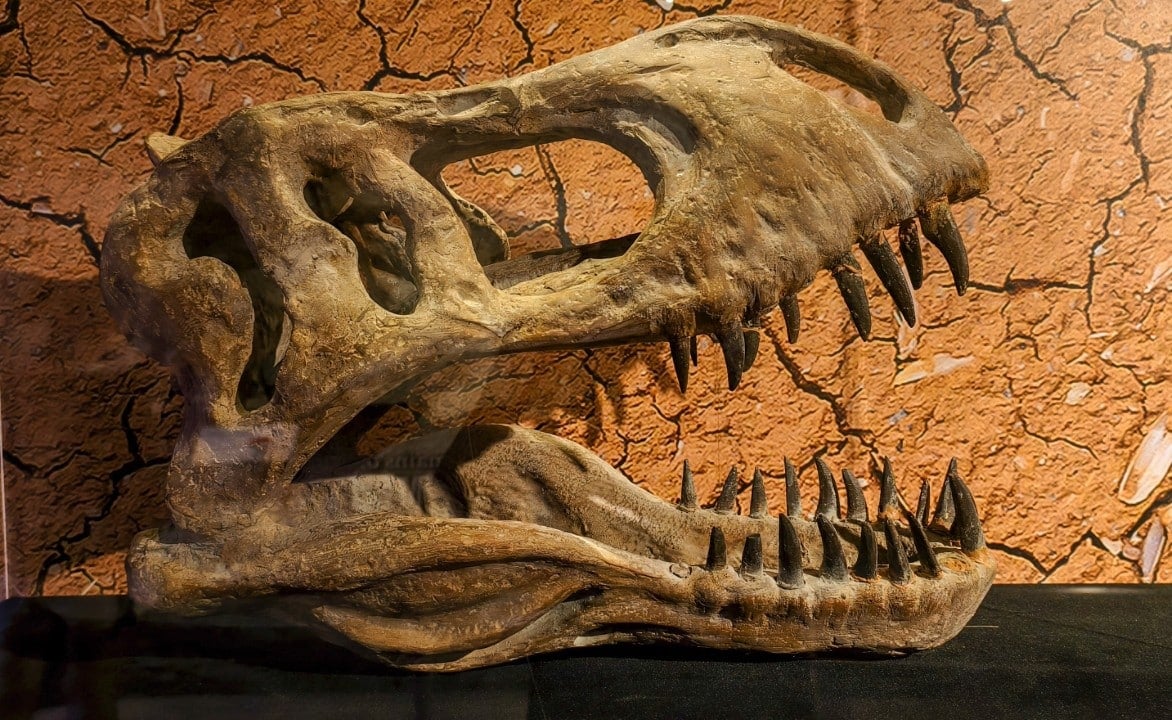
A new species of sauropod dinosaur has just been formally identified by researchers in northeastern Tailândia. The animal weighed 27 tons. Seu’s body reached approximately 27 meters in total length. The scientific discovery was officially published this Thursday through the specialized magazine Scientific Reports, revealing unprecedented details. The fossil represents one of the largest specimens ever documented at Ásia. Cientistas classified the specimen as a fundamental addition to the understanding of regional prehistoric fauna.
The first bone remains appeared about ten years ago. Moradores locals found the materials by chance on the banks of a community lake in Chaiyaphum’s province. The systematic excavation work took place between 2016 and 2019. Especialistas completed complementary analyzes only at the beginning of 2024. The giant herbivore inhabited Terra during the Cretáceo Inferior period. Chronology indicates that the species lived in a time window between 100 million and 120 million years ago.
Anatomical Dimensões impress experts during analysis
The size of the bone structures caught the attention of paleontologists since the first contact in the field. The animal’s arm bone measures exactly 1.78 meters in length. Researcher Thitiwoot Sethapanichsakul led the main study. Ele reported that the fossil humerus exceeded its own physical height. The team needed to develop specific transportation techniques to remove the heavy blocks of rock without damaging the ancient material.
Profissionais from Thai institutions worked together with members of University College London. The group used three-dimensional scanning equipment to map every detail of the fossilized surfaces. Advanced technology has allowed for accurate comparisons. Digital results confirmed unique morphological features in the skeleton. Essa anatomical differentiation provided the necessary basis for the classification of a novel species.
The paleontological inventory recovered in the excavation area encompasses different parts of the original skeleton. Scientists have documented the following structural elements:
- Left Úmero almost two meters long
- Fêmur practically intact belonging to the lower limbs
- Segmentos articulated animal spinal column
- Costelas thickening and fragments of the pelvic region
- Sedimentos associated with an ancient river ecosystem
Field campaigns took place preferably during the dry season at Tailândia. The retreat in the water level exposed the fossiliferous rocks naturally. The Chaiyaphum province has geological characteristics that are highly favorable for the preservation of ancient biological material. Native vegetation cover and the lower incidence of torrential rain protect archaeological sites against accelerated erosion.
Official Nomenclatura combines Asian folklore and Greek mythology
The scientific baptism of the dinosaur carries strong cultural and geographic symbolism. The name chosen was Nagatitan chaiyaphumensis. The initial term makes a direct reference to the figure of Naga. Trata is a mythical serpent deeply rooted in Southeast Asian folk traditions. The word Titan refers to the gigantic beings described in the mythology of Grécia Antiga. The final suffix directly pays homage to the Thai province responsible for housing the fossils for millions of years.
The lead researcher classified the newly discovered specimen as the last titan in its lineage. The bones rested in the geological formation known as Khok Kruat. Esse rock stratum represents one of the most recent terrestrial layers to contain records of dinosaurs in Thai territory. The environment underwent drastic transformations after the animal’s existence. The entire continental region ended up submerged and became a shallow sea in subsequent geological eras.
The physical size of Nagatitan far exceeds the measurements of other sauropods identified in the same geographic area. Cientistas established a parallel with the famous Diplodocus Dippy. The skeleton of this classic herbivore attracts thousands of visitors at Museu de História Natural de Londres. Biomechanical calculations indicate that the Thai dinosaur weighed at least ten tons more compared to its relative on display in the British capital. The massive body mass functioned as a natural defense mechanism against carnivorous predators.
Ecossistema from the Cretáceo period harbored species diversity
The Asian giant thrived in a habitat characterized by high temperatures and long periods of drought. The weather was relentless. The prehistoric landscape featured a network of winding rivers that cut through the plains. Esses waterways supported a complex and diverse food web. The aquatic environment was home to primitive fish and ancient species of turtles. Tubarões adapted to freshwater and large crocodiles shared the same river ecosystem with land dinosaurs.
The terrestrial fauna around the rivers presented a rich variety of shapes and sizes. Cretáceo Médio recorded a global increase in the planet’s temperatures. The warm climate favored the proliferation of medium-sized dinosaurs in Ásia. Espécies herbivores with characteristics similar to iguanodons grazed in the undergrowth. Formas basal ceratopsids also walked through the region. Esses animals were evolutionary related to the popular North American Triceratops.
Nagatitan’s anatomy dictated his daily eating habits. The extremely elongated neck allowed exclusive access to the tops of the forest’s tallest trees. The foraging method avoided direct competition for food with smaller herbivores. The animal needed to consume hundreds of kilograms of plant matter every day to keep its metabolism working. Digestion occurred slowly in a stomach adapted to process tough, fibrous leaves.
Tailândia consolidates central position in paleontological research
The formalization of Nagatitan raises the country’s scientific status on the international stage. The animal is the largest dinosaur ever documented in Southeast Asia. Tailândia currently counts fourteen different species of dinosaurs, duly named and catalogued. The volume of discoveries proves that large sauropods found ideal conditions for survival on the Asian continent. Local sedimentary basins still hold vast unexplored potential.
The project involved Departamento of Recursos Minerais from the Thai government and partner universities. Technical cooperation with European experts accelerated the data validation process. The joint work ensured the publication of accurate measurements in the global scientific literature. Student Thitiwoot Sethapanichsakul described naming the species as the achievement of a goal set in childhood. The detailed study of bone anatomy provides new clues about the migratory routes of prehistoric giants.
The legacy of the discovery is now accessible to the general public. A complete, life-size skeletal reconstruction forms part of the permanent exhibition of Thainosaur Museum. The institution is located in the capital Bangcoc. The research center established near the original excavation site keeps teams active in the field. The Mesozoico rock formation has a kilometer thickness of sediment. Paleontólogos continues to systematically map the area in search of new fragments that help piece together the puzzle of animal evolution.





