
Samsung’s new system package calibrates zoom algorithm on Galaxy S26 Ultra at 24 MP

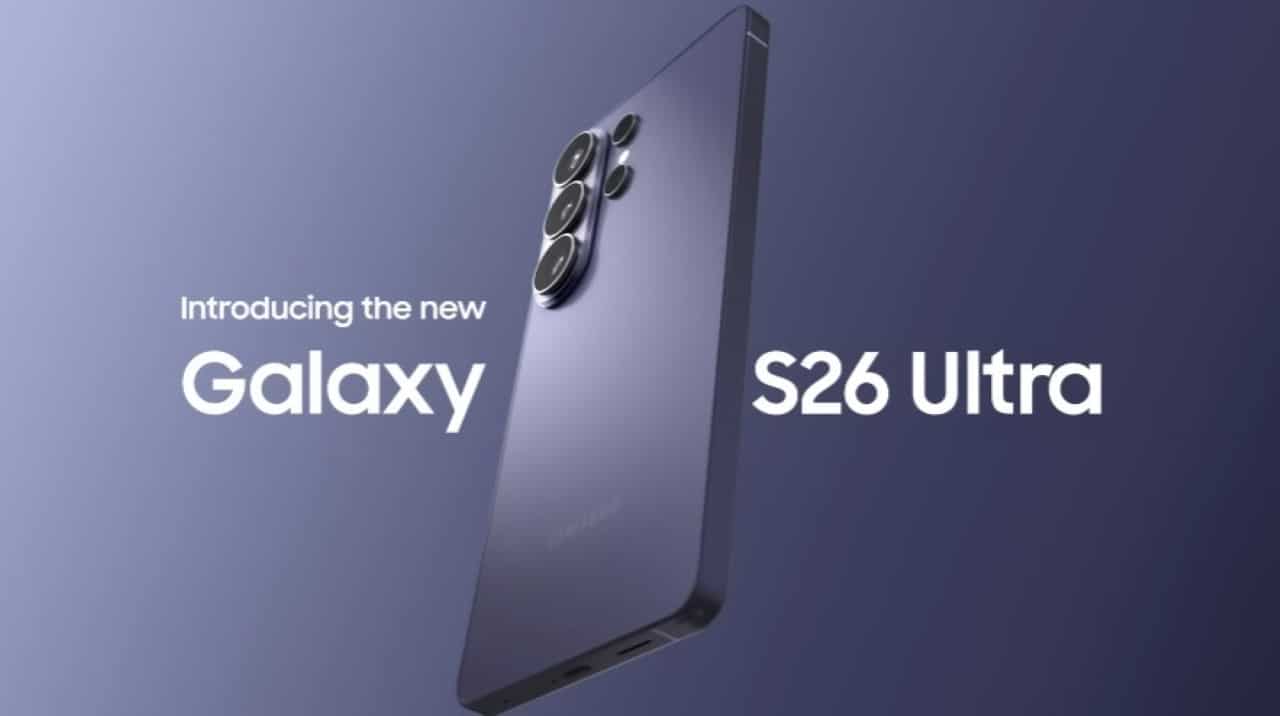
South Korean manufacturer Samsung has started distributing a new software package focused on the Galaxy S26 Ultra photographic set. The modification directly changes the behavior of the image processing algorithm when the main sensor operates at 24 megapixel resolution. The focus of the technical intervention is on captures made with approximation levels greater than 10x. The company’s Engenheiros applied corrections to reduce the presence of digital artifacts and deliver more balanced records over long distances.
The second package of corrections made available in April meets a demand from advanced users of the mobile device. Antes file installation, the system applied an aggressive level of artificial sharpening that hindered the reproduction of fine textures. The change calibrates the smartphone’s graphics engine to preserve the original optical properties of the lenses. Computational adjustment guarantees greater predictability in photographic results without requiring in-depth technical knowledge from the operator.

Ajuste in algorithm reduces artificial sharpness in distant shots
Até the arrival of this system version, the brand’s high-end model activated a severe post-processing mechanism when crossing the 10x approximation barrier in 24 megapixel mode. Esse technical behavior generated photographs with excessive edge enhancement. Elementos scene complexes appeared artificially reconstructed by the image processor. Area Profissionais needed to manually change the setting to the 12 megapixel format to avoid visual degradation in detail-rich environments.
Recent software calibration brought the larger file’s yield closer to the natural smoothness already observed in the lower resolution images. The texture reconstruction work now operates under controlled parameters. The microcontrast generated by artificial intelligence has suffered a considerable reduction. The practical change efficiently maintains the optical capture integrity of the lens array. The user gets the advantage of the extra detail of the 24-megapixel file without the computer-generated image look.
Faixas approaches optimized by the new version of the system
The redesign of the photographic interface extended the range of use considered stable for high-resolution mode. The system remains optimized and delivers consistent results up to the 14.9x approximation mark. The behavior of the image signal processor varies depending on the focal length range chosen by the user in the native application.
- Aproximação up to 0.9x with the ultrawide lens features optimal operation in the 24 megapixel format.
- Distâncias between 0.9x and 1.9x using the main sensor maintains the balance of colors and textures.
- Intervalo from 1.9x to 9.9x with 5x telephoto camera ensures consistency in data processing.
- Aproximação digital 10x to 14.9x receives new algorithm optimized for 24 megapixel files.
- Ampliação above 15x resumes heavy processing and makes using 12 megapixels the recommended option.
Casual Fotógrafos find a more user-friendly environment by not having to constantly switch between the resolutions available on the interface. Crossing the 10x border occurs fluidly and transparently for the equipment operator. The operating system takes responsibility for balancing light capture and applying sharpening filters. Eliminating doubts about which mode to select in intermediate situations speeds up the recording of ephemeral moments.
Limitações hardware physics in low light scenarios
Quando the user surpasses the 15x zoom mark, the Samsung’s heavy processing line once again takes full control of the image formation. Artificial intelligence algorithms and digital enhancement begin to dictate the rules for sharpness at extreme distances. The 12 megapixel format becomes the safest choice to avoid unwanted noise and grain on the screen. The 24 megapixel mode demonstrates usefulness above this level only under very strong natural lighting conditions.
The abundant light provides enough optical information for the sensor to work without relying on aggressive digital reconstruction. Ambientes indoors or at night continue to pose a technical challenge for extreme zooming at any chosen resolution. Computational processing kicks in to compensate for the physical limitations inherent in compact image sensors. The system’s priority becomes capturing light rather than preserving fine details. The manufacturer maintains this conservative approach even after the recent update.
Especificações photographic set techniques and processing
The mobile device has a robust hardware system to support the volume of calculations required by the new image algorithms. The main sensor has 200 megapixels of capacity, optical image stabilization and an aperture of f/1.9 for capturing light. The ultrawide lens offers 50 megapixels with the same focal aperture. The rear set also includes a 50-megapixel telephoto camera with 5x optical zoom and a second 10-megapixel telephoto camera with 3x optical zoom.
The front camera dedicated to self-portraits and video calls features 12 megapixels with f/2.2 aperture. The photographic results are viewed on a 6.9-inch Dynamic AMOLED 2X panel with QHD+ resolution. The management of all intensive computational operations is the responsibility of the Snapdragon 8 Elite Gen 5 for Galaxy processor. The electronic component distributes the workload among its neural processing cores to deliver the final image in fractions of a second. The device has a 5,000 mAh battery with 60W fast charging support.
Impacto of computational refinement in daily use of the device
The software modification directly benefits consumers who use smartphones to record landscapes, wildlife and sporting events. The zoom range between 10x and 15x concentrates a large part of long-distance captures in everyday use. Reducing visual inconsistency in this specific operating window increases the level of equipment reliability. The user gains the necessary security to frame distant scenes without the fear of obtaining an unusable final file due to excessive processing.
The data package does not alter the physical capabilities of the lenses or image sensors built into the device’s chassis. The intervention demonstrates the importance of computational photography in the current market for high-cost mobile devices. Fine calibration of software parameters can extract more quality from already established electronic components. The post-launch maintenance strategy based on feedback from advanced users extends the life of the product and improves the user experience over the months following purchase.





