
Survey points out 5 Motorola cell phones with the best 50 MP cameras to buy in 2026


Manufacturer Motorola has consolidated a portfolio focused on advanced photography in the mobile device market in 2026. The company has implemented high-resolution sensors and computational processing in different price ranges. Consumidores options with 50 megapixel lenses range from entry-level models to more expensive models. Optical image stabilization and integration with artificial intelligence form the technical basis of the new devices.
The selection of five smartphones meets different profiles for daily and professional use. Avaliações from independent laboratories, such as DXOMARK, confirm the evolution in light capture and color accuracy. The values recorded in Brazilian retail in April 2026 show a significant variation. The catalog allows you to choose equipment for selfies, 8K recordings or foldable formats.

Incoming Modelos combines Sony sensors and selfie focus
The Moto G56 5G represents the gateway to the brand’s updated photography suite. The device hit stores with a 50 MP main camera equipped with the Sony LYTIA 600 sensor. The lens has an aperture of f/1.88. An 8 MP ultra-wide camera accompanies the rear module for capturing wide angles. The manufacturer paid special attention to the 32 MP front camera. The component delivers superior results for the basic intermediate category.
PDAF technology works directly to reduce blurry images during everyday use. The operating system includes artificial intelligence features for smile detection and automatic night vision. The device records videos in Full HD resolution. The average price of the product reached R$1,495 in e-commerce. IP68 certification guarantees resistance against water and dust. Software support provides updates until the end of 2027.
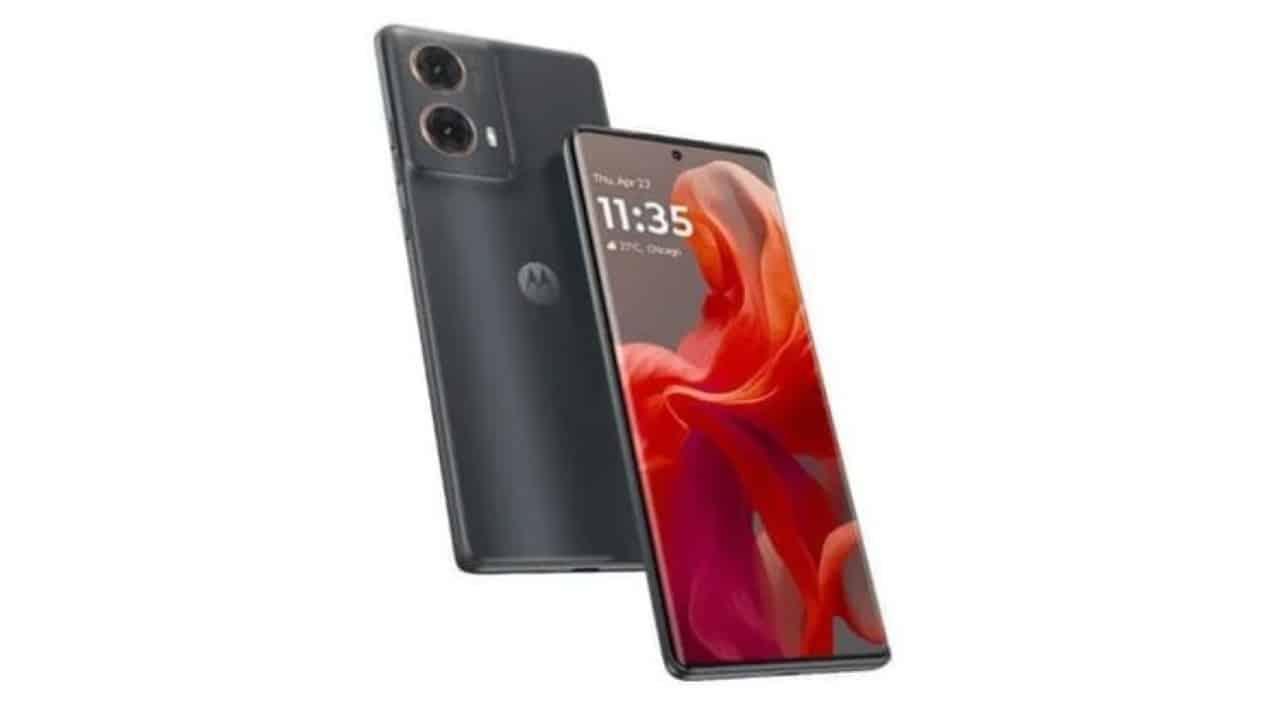
One step above, the Moto G85 5G refines the light input to the main sensor. The smartphone maintains 50 MP, but adopts a larger aperture of f/1.79 and adds optical image stabilization. The 8 MP ultra-wide lens works in a hybrid way. Ela calculates depth of field and takes macro photos. Max Foto mode uses algorithms to instantly correct color and contrast. The model cost around R$1,769 on the national market.
Linha Edge delivers three rear lenses and 4K recording
The Motorola Edge 50 Ultra marks the transition to the premium mid-range segment with a triple camera system. The main lens operates at 50 MP, f/1.68 aperture and optical stabilization. The ultra-wide camera also offers 50 MP of resolution. The big difference is the 64 MP telephoto lens. The component approximates images with optical zoom without loss of quality. The front camera repeats 50 MP and records videos in 4K.

Test Laboratórios awarded high marks for fast autofocus and visual noise reduction. The Moto AI tool manages intelligent stabilization during motion recording. The Action Shot feature freezes fast scenes with precision. The device’s HDR balances light and dark areas in outdoor environments. The device retailed for approximately R$4,989. The manufacturer guarantees security support until April 2028.
The light exposure adapts well to night scenes and sunny days. Camera software processes images in fractions of a second. Usuários who produce content for social networks find a versatile set. The telephoto lens makes it easier to frame distant objects at concerts and sporting events.

Foldable Formato expands creative shooting possibilities
The design of the Motorola Razr 60 Ultra transforms the way you shoot. The foldable cell phone hit the market in April 2025 with two 50 MP rear cameras. The main lens has an f/1.83 aperture. The ultra-wide works at f/2.0. Ambas support video recording in 8K resolution. The device’s external screen allows the user to take selfies using the main camera module. Image quality surpasses traditional front sensors.
The image processor applies Ultra HDR to optimize contrast in real time. Digital zoom reaches the 30x mark with the support of visual enhancement algorithms. Practical Testes demonstrates stability in capturing walking videos. The contrast of photographs remains solid at night. The model cost R$6,400 in the main online stores. Motorola promised operating system updates until the year 2029.

The compact structure attracts consumers looking for portability without sacrificing photographic performance. The absence of a dedicated telephoto lens is compensated by advanced software. Retratos and landscape photos feature precise cropping and natural colors. The device has won technology awards for its balance of flexible hardware and robust cameras.
Ultra-premium Aparelho sets new standard with advanced sensor
The Motorola Signature occupies the top of the company’s catalog in 2026. The smartphone launched in March features a triple 50 MP set on the rear. The main camera uses the Sony LYTIA 828 sensor with f/1.6 aperture. The telephoto lens incorporates the LYTIA 600 sensor with optical stabilization. The front lens employs the LYTIA 500 sensor for high-definition selfies. The device records videos in 8K with dynamic exposure control.
The device’s score on DXOMARK placed it among the ten best cell phones in the world in photography. Neutral white balance and low-light performance were highlighted in technical evaluations. The Night Vision system automatically activates in dark environments. The dynamic bokeh effect blurs the background of videos naturally. The product hit the shelves with a suggested price of R$7,829. Technical support extends until 2033.
The construction of the camera module reflects the brand’s strategy to compete with the most expensive devices on the global market. The sharpness of the images remains even in adverse lighting conditions. Long-range zoom preserves the legibility of distant signs and text.
Especificações techniques determine final image quality
Megapixel counting represents just one part of modern photographic engineering. The lens aperture determines the amount of light that reaches the image sensor. Números smaller in f/ specification indicates greater illumination capacity. Optical image stabilization corrects involuntary shaking of the user’s hands. Computational processing takes on the role of refining the raw files.
The integration between physical parts and lines of code makes the consumer’s routine easier. Algorithms adjust complex parameters in milliseconds. Choosing the ideal smartphone depends on the available budget and the purpose of use.
- Sensores main 50 MP ensures high density of details.
- Aberturas of f/2.0 or lower improves night photos.
- Estabilização optics prevent blurring in walking videos.
- Lentes telephoto lenses zoom in on scenes without distorting pixels.
- Processadores artificial intelligence corrects colors and contrasts.
The models listed deliver specific solutions for different daily needs. The entry versions solve basic visual communication demands. More expensive devices replace dedicated cameras on trips and independent productions. Price variation requires constant research on e-commerce sites. Extended software updates ensure the longevity of photography features.





