
Conmebol transfers game from Botafogo to Paraguay after political crisis closes airports in Bolivia


Conmebol determined the immediate transfer of the confrontation between Botafogo and Independiente Petrolero, valid for the group stage of Copa Sul-Americana, to the city of Assunção, at Paraguai. The continental duel was initially scheduled to take place in the city of Sucre, in Bolivian territory. The drastic change in the table happened just three days before kickoff. The highest entity of South American football took the decision as a matter of urgency to preserve the physical integrity of all professionals involved in the sporting event.
The geographic relocation occurs as a direct consequence of the serious political and social instability that hit Bolívia this week. Massive Protestos resulted in the systematic blocking of essential highways and the closure of air terminals, making any safe logistical operation in the Andean country unfeasible. Diante from the scene of civil conflict on the streets, the cast led by coach Artur Jorge needed to restructure all travel and accommodation planning to focus on the commitment on Paraguayan soil.
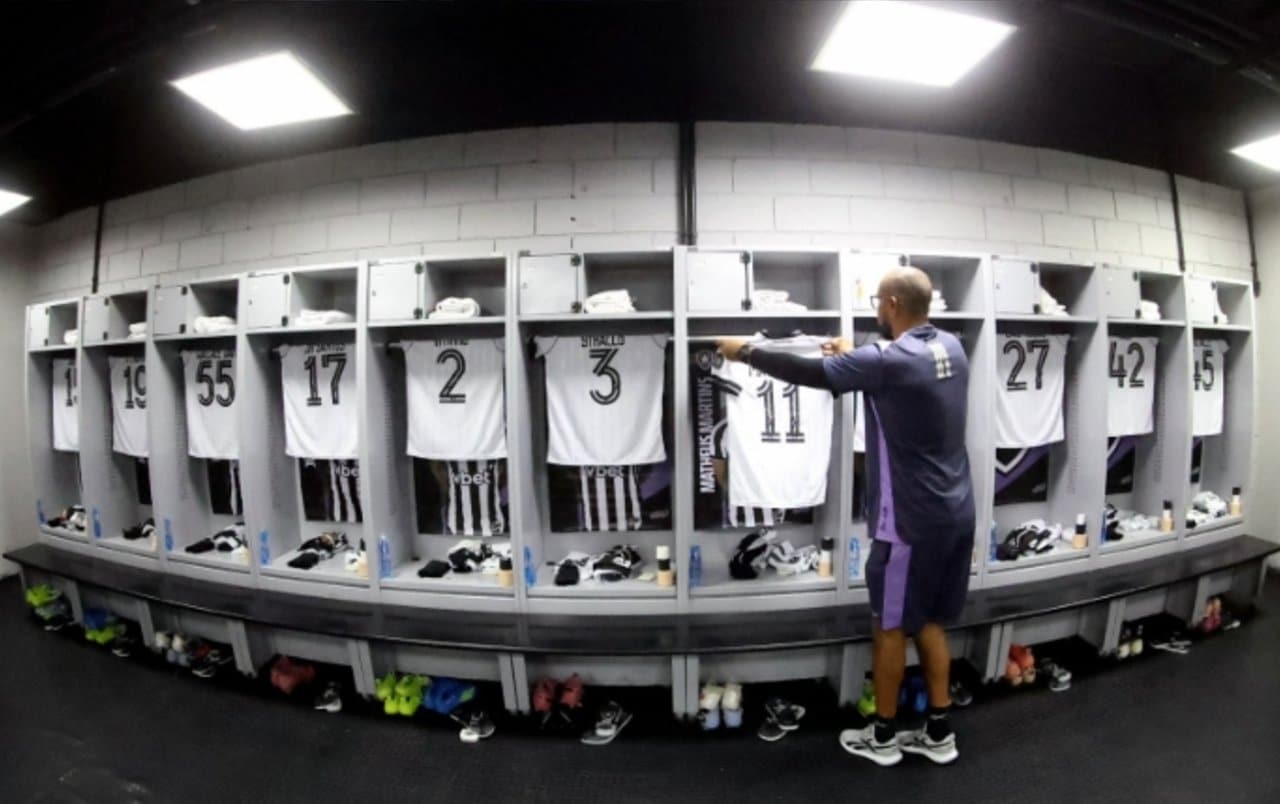
Mudança route affects Rio team’s preparation
The decisive clash will be held this Wednesday, starting at 9pm, at Estádio La Huerta, a sports venue that belongs to Libertad, in the capital of Paraguai. The choice of Assunção considered the hotel infrastructure available to receive delegations suddenly and the proximity to the administrative headquarters of the confederation itself. Dirigentes from the black and white club maintained uninterrupted contact with the sports authorities to align the bureaucratic details of the new international flight operation.
The Brazilian technical committee had to discard the physical adaptation schedule that was designed to face the Bolivian altitude. The eve trainings were quickly moved to partner training centers in the Assunção metropolitan area. The Botafogo football department acted quickly to ensure that the athletes suffered as little wear and tear as possible due to the abrupt change in time zone and weather conditions before taking the field.
The change of headquarters also generated a financial and logistical impact for fans who planned to follow the team outside of Brasil. Grupos of Botafoguenses who had already purchased airline tickets and booked hotels on Sucre began negotiation processes with tourism companies. Airlines are evaluating the refund of amounts or rescheduling of tickets due to the characterization of force majeure generated by the closure of Bolivian airspace for an indefinite period.
Institutional and economic Crise paralyzes Bolivian cities
The trigger for the national strike in Bolívia occurred six months after the inauguration of president Rodrigo Paz, who took command of Executivo in November 2025. The president, elected after a rapid rise in voting intention polls in the second round, faces strong popular rejection. The population demands the government’s immediate resignation in response to the implementation of a package of economic measures considered severe by local unions and social movements.
The central government justified the unpopular actions as the only viable alternative to contain the advance of the recession and the chronic lack of fuel in the domestic market. However, administrative decisions caused an immediate inflationary shock to citizens’ cost of living. The readjustments applied in the first months of the mandate directly affected the cargo transport sector and the flow of national agricultural production.
The scenario of widespread dissatisfaction gained strength from drastic changes in the pricing policy for petroleum derivatives and distribution failures:
- The value of diesel oil soared with a 163% increase recorded at fuel pumps across the country.
- Gasoline sold to the end consumer suffered an immediate increase of 86% in the official price list.
- Órgãos inspection received consistent complaints about the large-scale distribution of adulterated fuels at public stations.
- Sindicatos of truck drivers and rural producer associations set up permanent pickets on the main access highways to the capitals.
The interruption of the internal logistical flow cut the supply of basic items in several provinces, increasing popular support for the strike movements. The strike by road transporters served as a catalyst for other professional categories to cross their arms against the guidelines of the Bolivian Ministério, paralyzing commercial routine and essential public services.
Operação military escalates clashes on the streets of La Paz
Estado’s response to urban lockdowns has raised the level of tension in the administrative capital, La Paz. The federal government authorized the use of the armed forces through the Operação Corredor Humanitário call, mobilizing thousands of security agents last Saturday. The official objective of the maneuver was to unblock traffic routes, but the action resulted in violent clashes against peasants and members of trade union groups.
Military troops used tear gas canisters to disperse the crowds, while protesters responded with stones and homemade explosive devices. The Bolivian government formally accuses former president Evo Morales, who led the country between 2006 and 2019, of orchestrating the civil unrest. State authorities allege that protest leaders receive funding from illicit activities linked to drug trafficking to destabilize the current administration.
Political polarization reached the airline sector when supporters of the former ruler physically occupied the facilities of Aeroporto of Chimoré, located in the Cochabamba region. The invasion of the terminal was intended to prevent official aircraft from landing and block the execution of a possible arrest warrant against the political leader. Esse level of insecurity on the airstrips was the determining factor for Conmebol’s intervention in continental sports tournaments.
Confederação adopts a preventive stance with Brazilian clubs
The escalation of civil violence forced the South American confederation to remove multiple games from Bolivian territory in this specific round of competitions. The competitions department evaluated reports that pointed to the total absence of public security guarantees for foreign delegations and referee teams. The Andean country has been experiencing a historic split on the left since former president Luis Arce withdrew from re-election due to internal party disputes.
Botafogo is not the only Brasil team to have its calendar modified by regional geopolitics this sports week. Mirassol faced an identical situation when having its commitment against Always Ready transferred from Bolívia to Paraguai. São Paulo’s team from the interior of the state managed to overcome logistical adversities and beat their opponent 2-1 in regulation time, guaranteeing a positive result on a neutral field.
The Rio squad follows the example of its national rival to maintain tactical concentration and seek a victory away from its original domains. The technical committee focuses on the players’ physical recovery after the change of route, aiming to gain fundamental points on the leaderboard. The black and white board continues to monitor the security updates issued by the Paraguayan authorities to complete the return operation to Brasil after the final whistle.





