
Jeep launches mild hybrid system for seven-seater SUV with focus on economy in urban traffic

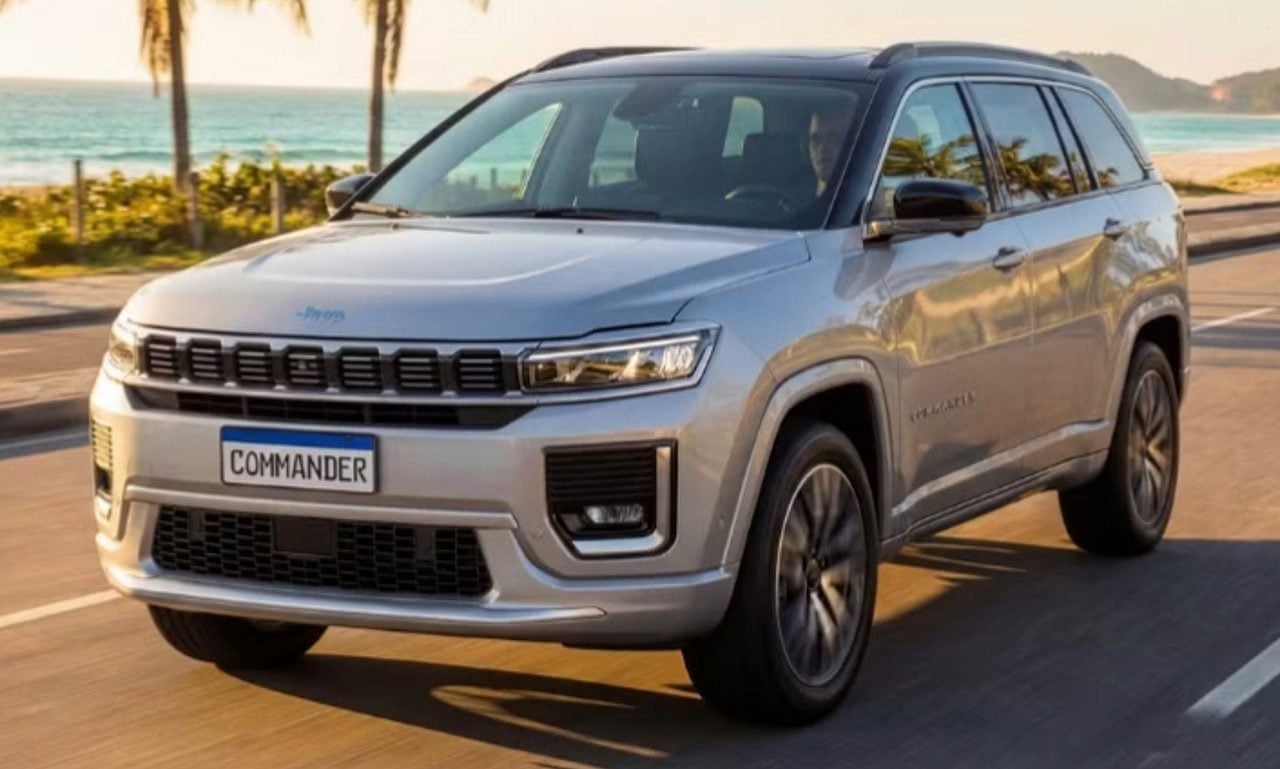
The automaker Jeep announced the introduction of a 48-volt mild hybrid system in its seven-seater sports utility vehicle for the 2027 line. The technological update is now available in the Limited and Overland configurations, with the expectation of arriving soon in the entry-level Longitude version. The change aims to adapt vehicles to new pollutant emissions requirements and improve energy efficiency in traffic in large cities.
The manufacturer’s move reflects a trend in the national automotive market to gradually electrify commercial fleets. The mechanical assembly adds a small electric motor that assists the combustion engine at critical moments. The engineering reduces the effort on the main engine and reduces fuel consumption. The strategy seeks to attract consumers who mostly travel on congested urban roads daily.
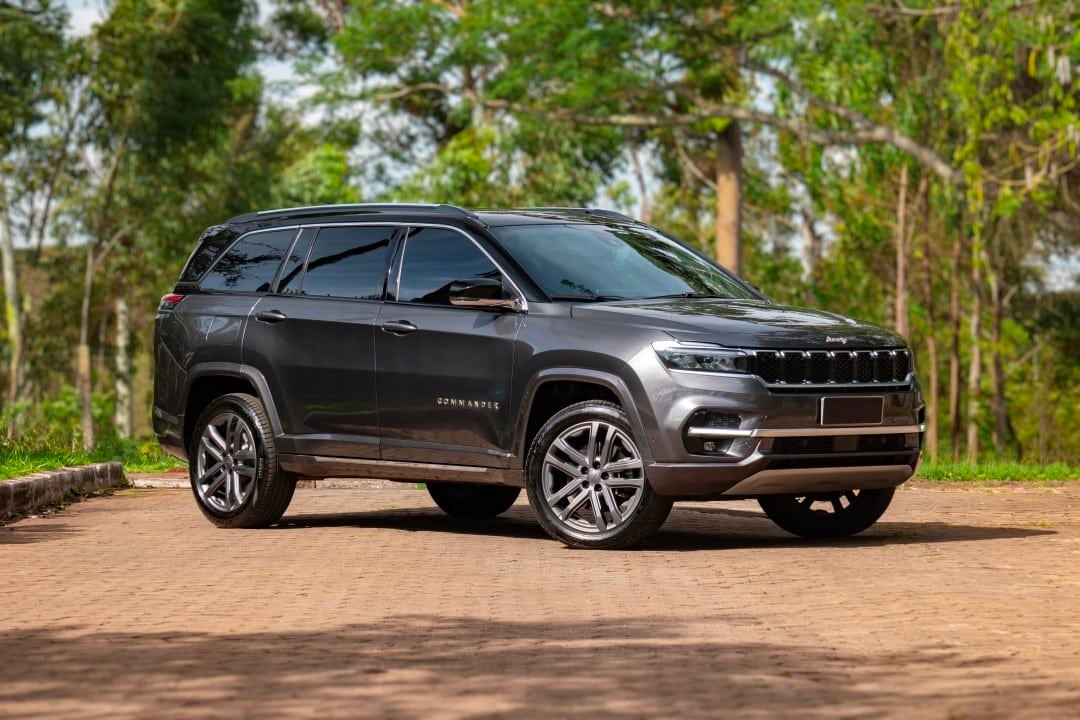
Motorização T270 gains lightweight electrification to optimize performance
The updated versions maintain the T270 1.3 turbo flex engine under the hood of the vehicle. Este propellant delivers 176 horsepower and 27.5 kgfm of torque. The equipment works in conjunction with a six-speed automatic transmission and front-wheel drive. The basic mechanical architecture remains unchanged in relation to previous models sold in the Brazilian domestic market.
The novelty lies in replacing the traditional alternator and starter motor with a multifunctional electric motor. Este component generates 16 additional horsepower and provides 6.6 kgfm of extra torque in specific driving situations. A lithium-ion battery with a capacity of 0.9 kWh stores the energy generated during vehicle operation on the streets.
The 48 volt system does not have the capacity to drive the sport utility vehicle exclusively electrically. The technology acts as direct support for the combustion engine. The device optimizes the operation of the start-stop system and assists with heavy initial starts. Durante braking and decelerating, the generator recovers the kinetic energy that would otherwise be wasted, automatically recharging the battery without driver intervention.
Dados and Inmetro show the system’s advantage in urban traffic
The official figures released by Instituto Nacional of Metrologia, Qualidade and Tecnologia (Inmetro) illustrate the impact of electrification on the utility. The Longitude version without the hybrid system records averages of 10 km/l in the city and 11.5 km/l on the highway when fueled with gasoline. With ethanol in the tank, performance drops to 6.9 km/l on urban roads and 8.3 km/l on highways.
The Limited configuration equipped with MHEV technology shows different behavior in official consumption measurements. In the urban cycle, the model achieves 11 km/l with gasoline and 7.6 km/l with ethanol. The data represents an improvement of approximately 10% in energy efficiency. The gain occurs precisely because the electric motor operates at times of greatest fuel demand, such as when leaving traffic lights and in heavy traffic.
The scenario is reversed during road use at constant cruising speeds. The additional weight of 41 kg, generated by the battery and electrical components, slightly penalizes consumption on the road. The hybrid model’s road averages are 11.2 km/l with gasoline and 8.1 km/l with ethanol. The system requires more power from the combustion engine on continuous and long journeys.
Diferença price and equipment package of new versions
The transition to mild hybrid technology has a direct impact on the manufacturer’s price list at dealerships. The T270 MHEV Limited version hits stores with a suggested retail price of R$255,690. The equivalent model powered by combustion alone costs R$228,790. The change generates a difference of R$26,898 between the two options available to the end consumer.
The increase in value is not just justified by the inclusion of the 48-volt electrical system in the engine compartment. The automaker took advantage of the update to incorporate a more robust package of standard equipment and driving assistance technologies. The added items seek to reposition the vehicle in a higher market range and justify the investment.
The equipment list of the Limited MHEV version includes features focused on connectivity, safety and comfort for the seven occupants:
- Central 10.1-inch multimedia with Adventure Intelligence Plus system and Alexa virtual assistant integrated into the panel.
- Sete airbags to protect passengers, exceeding legal requirements and offering an additional bag for the driver’s knees.
- Sistema advanced driver assistance with autonomous emergency braking and active forward collision warning.
- Acabamento interior with high quality materials, including front panel with suede covering and darkened chrome details.
- Sistema premium sound signed by the Harman Kardon brand, aimed at a superior audio experience in the cabin.
The future Longitude MHEV version should maintain items such as 18-inch alloy wheels and a digital instrument panel. The air conditioning vents for the rear seats also remain in the catalogue. Buyers will need to evaluate whether the larger initial investment outweighs the benefits delivered by the technology package and long-term fuel savings.
Isenção rotation into São Paulo and state tax benefits
The financial analysis of purchasing a mild hybrid vehicle goes beyond calculating fuel consumption at gas stations. A simulation based on annual use of 15,000 kilometers, divided equally between city and highway, shows moderate direct savings. The owner of the hybrid model spends around R$9,182 per year on gasoline. The owner of the traditional version pays R$9,757 over the same twelve-month period.
The annual savings of R$575 at the fuel pump covers only a small fraction of the price difference between the vehicles. The real financial attraction of MHEV technology lies in the public policies to encourage electrification adopted by several governments. Classifying the vehicle as a hybrid opens the door to tax exemptions and ease of urban circulation.
In specific states, electrified car owners receive significant discounts on the Imposto over the Propriedade and Veículos Automotores. In the city of São Paulo, the model gains the right to move freely every day. The car is exempt from the municipal vehicle rotation. Esta logistical advantage weighs heavily on the purchasing decision of drivers who depend on cars daily in the capital of São Paulo.
Stellantis opted for a conservative approach when adapting the sport utility vehicle for the current Brazilian market. The company maintained the six-speed automatic transmission, recognized for its ease of maintenance in workshops. The automaker discarded the dual-clutch transmission used in European versions of the same car. The strategy aims to guarantee the mechanical reliability of the product in the face of the severe conditions of use found on the country’s roads.



