
Manufacturer Ypê advises consumers on products suspended by Anvisa and confirms refund

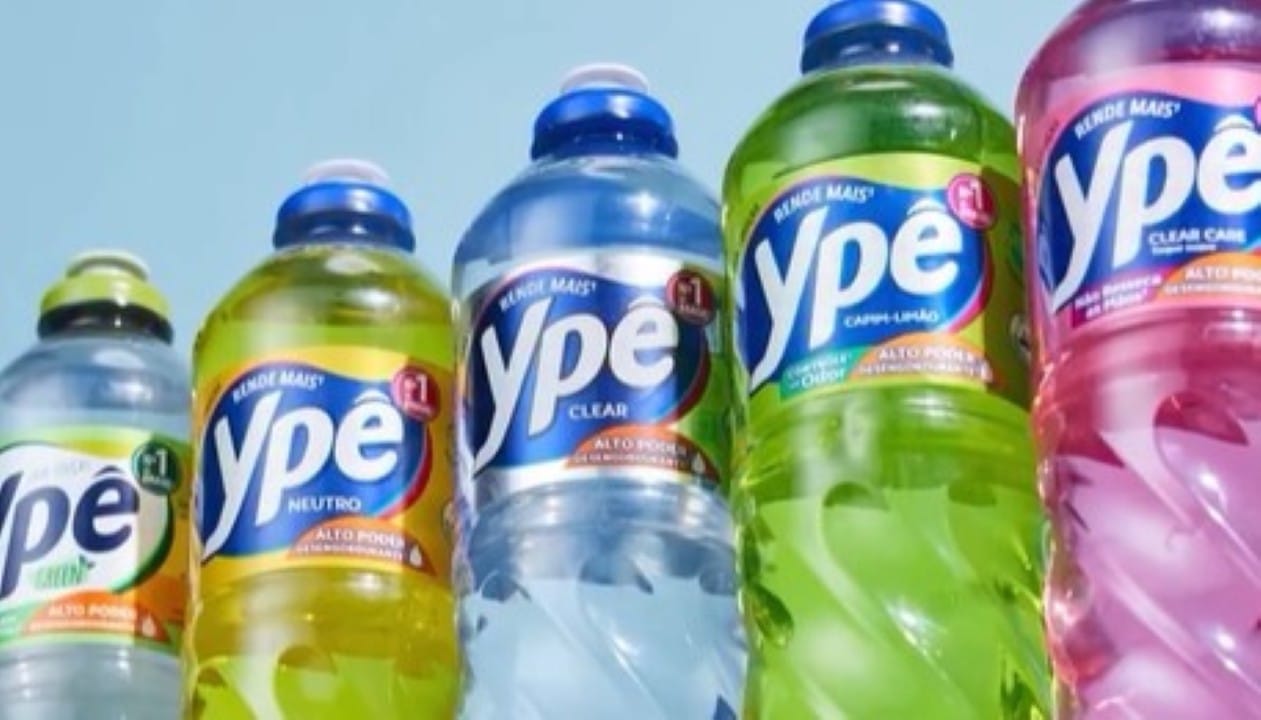
Ypê, in a statement issued on Tuesday night (19), advised consumers not to use or discard the products that were suspended by Agência Nacional from Vigilância Sanitária (Anvisa). The company also reinforced its commitment to offering full refunds to customers who own the items affected by the regulatory measure.
Essa determination of Anvisa comes after a series of inspections carried out at the company’s factory, located in Amparo, inside São Paulo. Tais joint inspections with health surveillance bodies in São Paulo revealed significant flaws in several critical stages of the production process.
Suspensão targets specific batches of cleaning products
Anvisa’s decision focuses on specific product categories, including dishwasher detergents, liquid laundry detergents and disinfectants. The suspension applies to all batches of these items whose identification number ends with the number 1. The company asked consumers to keep the products until new guidelines are issued by the health authorities.
- The list of suspended products includes:
- Detergentes dishwasher with final batch number 1.
- Sabões liquids for clothing with final batch number 1.
- Desinfetantes with final batch numbering 1.
Clientes who wish to return products can request a refund directly through Ypê’s official customer service channels. The company published a detailed procedure to facilitate the process, ensuring that the amounts are reimbursed to consumers.
Falhas control and presence of bacteria were identified
Inspeções carried out at the Ypê manufacturing unit in Amparo revealed a series of irregularities in the company’s production process. Foram highlighted problems in quality control systems, which are essential to guarantee the safety and effectiveness of products. Relatos from Anvisa indicate the presence of equipment with signs of corrosion in specific areas of the factory.
Houve also found inadequate storage of product waste, a condition that can compromise hygiene and process integrity. The agency also reported the detection of the bacteria *Pseudomonas aeruginosa* in more than 100 batches of the brand’s finished products, reinforcing the seriousness of the flaws identified during the inspection.
Riscos bacteria for more vulnerable groups
The bacterium *Pseudomonas aeruginosa* is widely found in the environment and, for most healthy people, represents a low risk of infection. Ela tends to be opportunistic, causing problems mainly when there is a weakness in the immune system or skin lesions. Especialistas consulted on the topic reinforce this condition of differentiated risk.
Contudo, for specific groups, the bacteria can be more dangerous. Indivíduos immunosuppressed patients, patients undergoing cancer treatment and transplant recipients are among the most vulnerable. Aqueles with open wounds, burns or dermatitis also have greater susceptibility to infections. Além Furthermore, fragile babies and elderly people require special attention in case of exposure.
Orientações for Consumers and Warning Signals
The main recommendation is that all consumers immediately stop using Ypê products that have been affected by the Anvisa measure. Quem used the items, but did not experience any adverse symptoms, and does not need to seek medical attention just because of exposure. The manifestation of symptoms is the main indication of the need for professional evaluation.
Especialistas warn of signs such as persistent skin or eye irritations, unusual secretions and fever. Nestes cases, the search for a doctor is justified. Outras recommendations include changing sink sponges that have been used with suspended detergents and washing underwear, towels and baby items with an alternative product for greater safety.
Ypê contests Anvisa’s findings and proposes independent tests
Ypê has released its own position, in which it disputes the conclusions presented by Anvisa. The company argues that the inspection carried out did not identify contamination in products that were already being sold on the market. Sua’s defense points out that the images released from the factory, which show areas with problems, do not correspond to locations that have direct contact with the items sold to consumers.
The manufacturer also argues that normal use of the products results in a drastic reduction of any bacterial load present. Segundo to Ypê, the medical literature does not record cases of infections proven to be caused by clothes washed with contaminated household detergents. The company expressed its intention to submit new tests, carried out by independent laboratories and approved by Anvisa, to reevaluate the batches of products already placed on the market and seek a solution to the situation.



