
South Korean manufacturer Samsung has started developing a new suite of machine learning-based tools for its next generation of mobile devices. The project is progressing quickly. The operating system under development integrates the brand’s proprietary interface and will bring exclusive capabilities to devices in the Galaxy S26 line. The software update aims to explore the limit of new hardware that will equip the premium phones. The company’s Engenheiros focuses its efforts on creating a more independent digital ecosystem.
The strategic move occurs in a scenario of intense competition for participation in the high-cost telephone segment. The deep integration between physical components and advanced algorithms represents the company’s main bet to attract demanding consumers. The global mobile technology market is seeing a rapid transition to automated services aimed at everyday productivity. The new platform should consolidate the brand’s position against direct competitors who also invest massively in neural processing. The official launch of the updated architecture is scheduled for the first quarter of 2026.
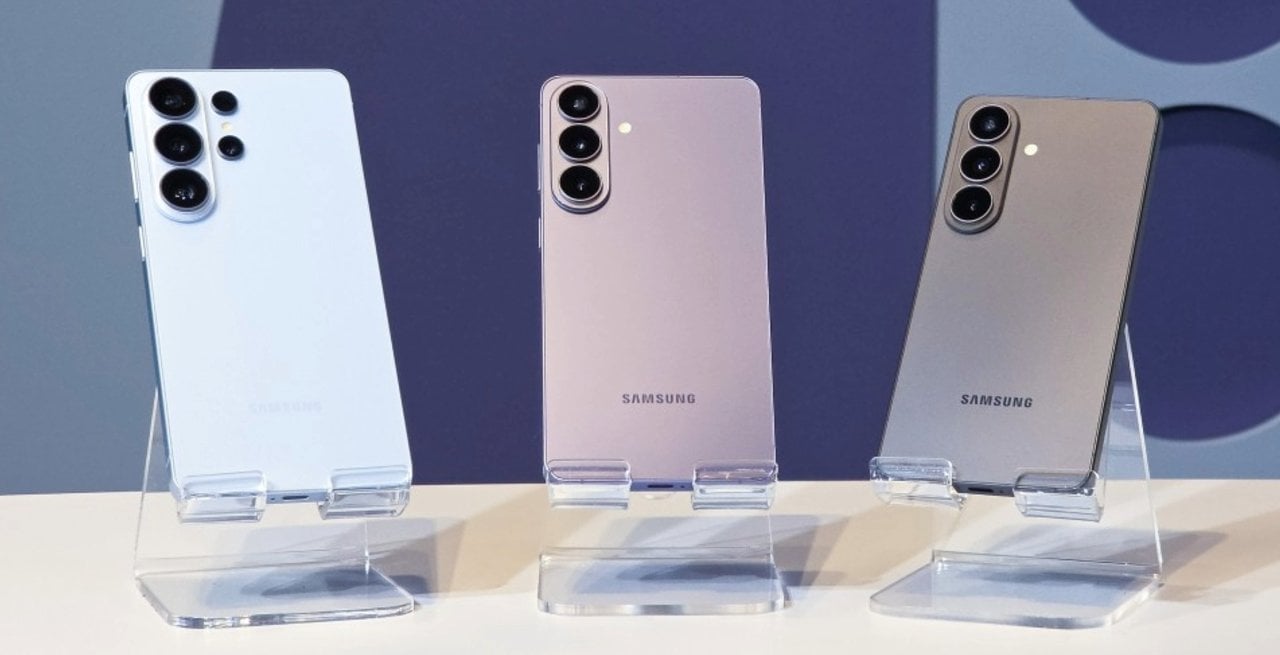
Arquitetura software optimizes neural processing in new smartphones
The manufacturer’s technical planning establishes that the updated version of the system will act as a robust basis for complex automation services. The previous interface will reach consumers together with the base Android 16, but the subsequent variant will carry the true differences of generative artificial intelligence. The Galaxy S26 hardware will serve as the primary environment for validating the novel deep learning algorithms. Desenvolvedores work to ensure that communication between the processor and software occurs with minimal latency.
Structural modifications to the operating system code go beyond traditional photo editing tools or simultaneous language translation. Software engineering focuses on implementing high-precision predictive energy management. The system will analyze the device owner’s behavior patterns to allocate processing resources only when strictly necessary. The technical decision is fundamental. Essa intelligent battery management seeks to compensate for the high power consumption required by the new neural processing units. Device autonomy remains a priority in the platform’s development.
Optimizing energy consumption requires a complete restructuring of the background processes carried out by the phone. Native Aplicativos will receive dynamic access permissions to the main processor based on daily usage frequency. Constant monitoring of operating system activities will ensure a balanced distribution of workload between the different cores of the chip. Especialistas in systems architecture point out that this approach reduces long-term thermal wear on internal components.
Commercial Estratégia focuses on differentiation for the high-end market
The corporate decision to restrict specific functions to the Galaxy S26 is part of an aggressive policy to encourage users to renew equipment. The company’s management understands that the presence of advanced artificial intelligence has established itself as the main purchasing criterion in the premium segment. The offer of exclusive tools guarantees the commercial attractiveness of the new generation. The smartphone replacement cycle has increased in recent years. The scenario requires more forceful innovations from manufacturers to justify the exchange of devices that still work perfectly.
The package of innovations planned for the new interface covers different aspects of daily interaction with the mobile device. The development team structured a set of features that require processing capacity unavailable in past generations. Key additions to the system include:
- Natural language Processamento optimized for executing complex tasks without an internet connection.
- New Algoritmos aimed at very high fidelity computational photography in low light environments.
- Deep Integração with home device networks through contextual voice commands.
- Ferramentas automated productivity suites operating directly within native factory applications.
- Segurança sensitive data enhanced by artificial intelligence-assisted encryption protocols.
Implementing these tools turns your phone into a standalone personal management hub. The brand’s digital ecosystem gains more defined contours with the exclusivity of features in the latest model. The software segmentation strategy creates a clear dividing line between entry-level devices and high-end devices. The company’s marketing department will utilize these unique capabilities as the central pillar of global advertising campaigns.
Execução Data Location Reduces Dependency on Cloud Servers
Adequate support for the new interface innovations requires the incorporation of state-of-the-art neural processing units into the physical design of the Galaxy S26. The main technical guideline aims to drastically reduce dependence on external servers to perform complex tasks. Processing data directly on the device solves historical bottlenecks. Local execution of language models represents a significant advance in protecting against data interception on public networks. The privacy of user information gains an extra layer of physical protection.
The viability of this technological approach depends on extremely stringent hardware specifications. The internal architecture of the smartphone requires random access memory modules with transfer rates higher than current market standards. Efficient thermal dissipation emerges as a critical engineering challenge. The heat generated by the continuous processing of artificial intelligence algorithms needs to be controlled. The millimetric alignment between the design of the physical components and the programming of the operating system makes unprecedented functions possible.
Fornecedores from Asian Components has already adapted its assembly lines to meet the performance requirements of the new project. The manufacture of semiconductors with reduced lithography allows the inclusion of more transistors in the same physical space, increasing the raw calculation capacity of the device. The integration of coprocessors dedicated exclusively to accelerating neural networks alleviates the load on the central processing unit. The balance between extreme performance and temperature control defines the success of implementing local processing.
Cronograma points to internal testing ahead of official launch in 2026
The development calendar establishes that the new interface will enter the restricted beta testing phase shortly after the previous version of the software is stabilized. The process requires absolute confidentiality. The quality engineering team will conduct exhaustive assessments in closed labs to identify integration flaws between code and physical components. The schedule is strict. The brand’s launch history indicates that the public presentation of the system will take place simultaneously with the global unveiling event of the new phones. Collecting current-generation usage analytics data helps refine the functions under development.
The financial sector closely monitors the impacts of this technological integration on production costs and the final price passed on to the consumer. Manufacturing chips with advanced artificial intelligence capabilities significantly increases supply chain expenses. Product differentiation through exclusive and powerful software justifies the price positioning in the ultra-luxury segment. The mobile technology market awaits the South Korean manufacturer’s move to calibrate its own development strategies for the coming years.
