
Honda automaker opens complex in Izmir to manufacture PCX 125 scooter from April 2026

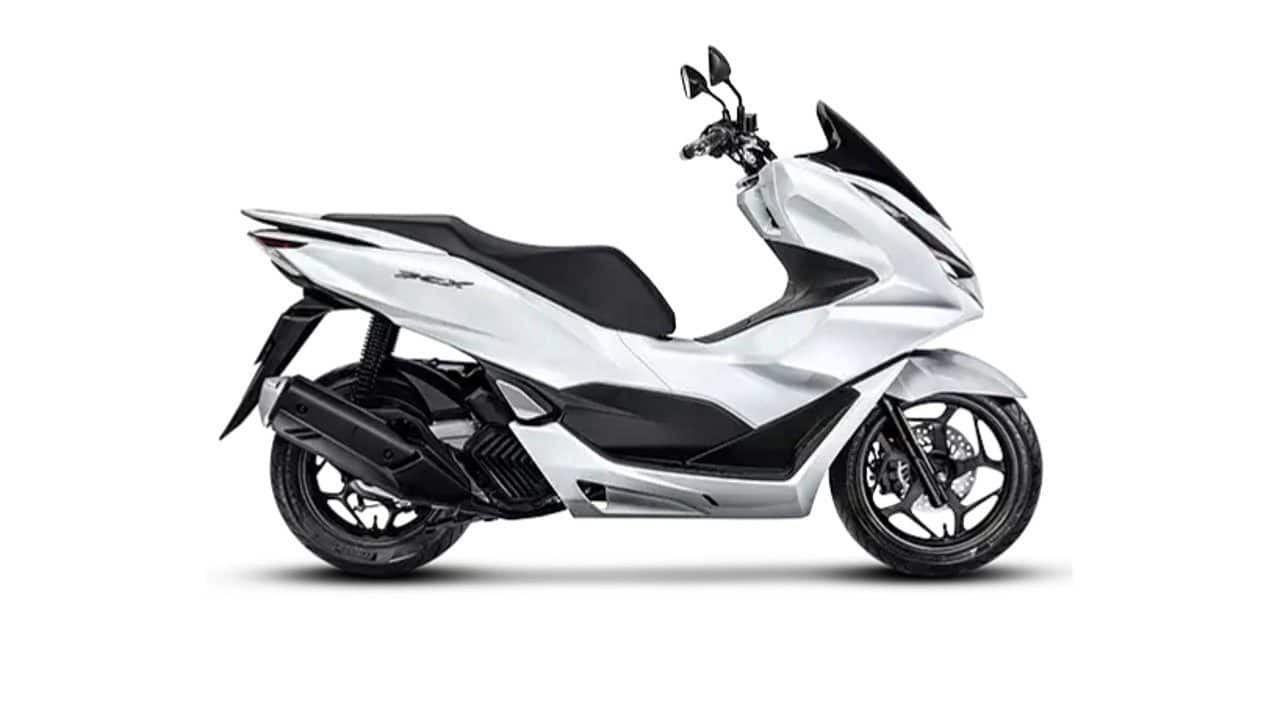
Japanese automaker Honda has confirmed the start of operations of its new manufacturing unit located in the city of Izmir, at Turquia, scheduled for April 2026. The industrial facility will initially focus on assembling the urban scooter PCX 125. The production complex is located specifically in the Aliağa district. The decision marks an important step by the company to nationalize the manufacturing of two-wheeled vehicles in the region. The plant absorbs the local market’s growing demand for individual transport.
The corporate move comes after the brand registered a record volume of registrations in the country. The company sold 162 thousand motorcycles throughout 2024. The significant result motivated the transition from an import model to internal production. The structure occupies a plot of 100 thousand square meters. The opening phase of the industrial hub foresees the hiring of approximately 300 direct professionals. The project strengthens the automotive supply chain in Turkish territory.

Aporte financial structures new assembly line in Aliağa district
Adapting the physical space required a direct investment of 760 million Turkish lira. The amount is equivalent to around 2.94 billion yen at international exchange rates. The resources cover the acquisition of heavy machinery and the installation of automated systems. The infrastructure must meet the brand’s global quality standards. Engenheiros work on calibrating precision equipment. The plant will house everything from chassis welding to final safety inspection.
The work schedule follows the planning established by the company’s management. The area of 100 thousand square meters allows the efficient organization of the flow of materials. Fornecedores of parts and components also evaluates the installation of distribution centers nearby. Integrated logistics reduces the transit time of inputs. The Aliağa district has an industrial vocation and offers easy transport routes. The proximity to ports and main highways optimizes the distribution of finished units.
The generation of 300 direct jobs boosts the municipality’s economy. The recruitment process prioritizes technical labor residing in the province of Izmir. The selected employees will undergo specific assembly and quality control training. Training guarantees the standardization of manufacturing processes. The automaker plans to extend hiring as the pace of production advances in subsequent months.
Productive Capacidade follows progress in the two-wheel sector in the country
The assembly line begins operations with a projected volume of 100 thousand motorcycles per year. The medium-term goal establishes doubling this number. The factory has the structural potential to deliver 200,000 units annually. The scale of production will depend on the absorption of vehicles by the domestic market. Analistas from the automotive sector monitor Turkish consumer behavior. The increase in installed capacity will occur in a modular manner.
The two-wheeler segment at Turquia has experienced accelerated expansion following the Covid-19 pandemic. The population began to look for agile alternatives for urban travel. Individual transport gained preference over collective systems. The use of motorcycles by last-mile delivery and logistics companies has also boosted sales rates. Honda identified a window of commercial opportunity. The nationalization of assembly gives greater competitiveness to the brand’s products.
- Initial Capacidade set at 100 thousand motorcycles annually.
- Projeção expansion to 200 thousand units per year.
- Terreno industrial with 100 thousand square meters of extension.
- Orçamento ran for 760 million Turkish liras.
- Abertura of 300 direct job vacancies in the first stage.
The local manufacturing strategy protects the company from currency fluctuations. Dependence on imported vehicles increases the final price at dealerships. Production in Izmir eliminates specific import duties. Passing on these savings can make the models more attractive to the general public. The brand seeks to consolidate its leadership in the ranking of national license plates.
Urban scooter Escolha meets predominant consumption profile
The PCX 125 model tops the list of priorities for the new factory due to its commercial history. The urban scooter has characteristics suitable for the dense traffic of large Turkish cities. The vehicle offers driving practicality and low fuel consumption. The cargo compartment under the seat attracts users who need space to transport daily objects. Automatic transmission makes riding easier for new riders.
The 2026 version of the vehicle will maintain the visual identity already known to consumers. The compact design favors maneuvering in narrow streets and facilitates parking. The automaker’s engineering preserved the focus on efficient daily mobility. The nationalization of the model guarantees a constant flow of supply to the dealer network. Stock shortages, common in imported products, will no longer be a commercial bottleneck.
The presence of the PCX 125 on the streets of Turquia has been significant for several years. Public familiarity with the product reduces the risks of industrial investment. The company’s marketing team is committed to retaining current customers. The supply of spare parts will also benefit from local operations. Preventive and corrective maintenance gains agility with the immediate availability of original components.
Regional Expansão consolidates global commercial approach strategy
The initial concentration of efforts on the 125 cc scooter represents only the first phase of the project. The board is evaluating the introduction of other platforms in the Izmir assembly line. Modelos with larger displacement or aimed at mixed use may be part of the nationalized portfolio in the future. The flexibility of the machinery allows quick adaptation to different chassis. The engineering department studies the technical feasibility of these additions.
Monitoring production performance will guide future corporate decisions. The transition to the target of 200 thousand units requires adjustments in the supply chain. The region’s logistics infrastructure will need to keep up with the increase in the flow of transport trucks. The company maintains dialogue with local suppliers to ensure uninterrupted delivery of inputs. The synchronization between production and distribution prevents excessive accumulation of vehicles in yards.
The installation of the Turkish factory reflects a global guideline from the Japanese automaker. The company prioritizes physical proximity to its main consumer hubs. Decentralization of production reduces dependence on long shipping routes. The European and Asian markets observe the company’s movement in Turkish territory. The Aliağa site has the potential to become a regional export hub if domestic demand stabilizes.





