
Huawei presents new MateBook 14 with Kirin X90 chip and HarmonyOS system for the Chinese market

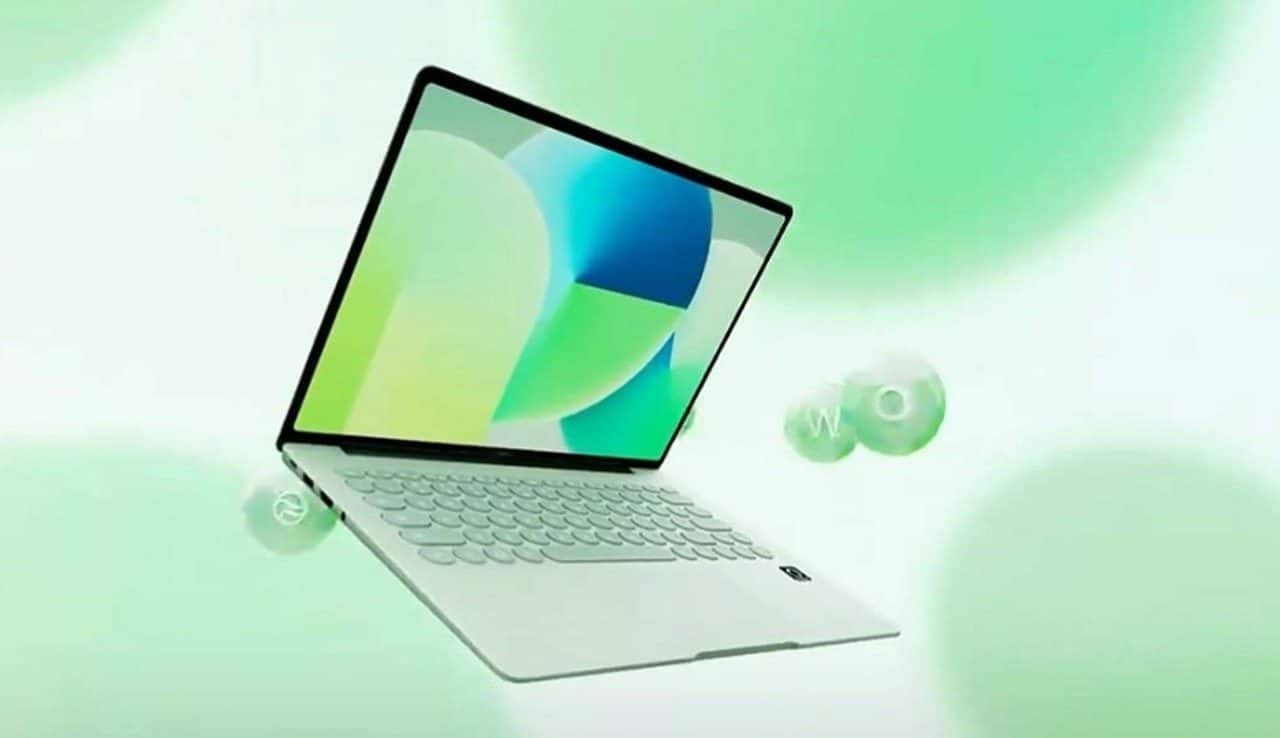
Huawei officially announced the launch of the MateBook 14, a notebook focused on productivity and artificial intelligence. The equipment arrives on the Chinese market equipped with the Kirin X90 processor and the proprietary HarmonyOS operating system. The manufacturer bets on robust configurations, offering up to 32 GB of RAM and a high-resolution OLED screen.
The move reinforces the Asian company’s strategy of consolidating an independent software and hardware ecosystem. The new portable computer targets professionals who seek mobility and performance for daily tasks. Native integration with artificial intelligence tools and long battery life are among the main attractions of the newly announced device.
The new Huawei MateBook 14 has the most fun keyboard design I've seen on a laptop
Looks amazing pic.twitter.com/w4mxRsicn4
— Anthony (@TheGalox_) April 15, 2026
Tela OLED and productivity-focused design
The panel of the new notebook measures 14.2 inches and delivers QHD resolution. OLED technology guarantees vibrant colors and deep blacks, while the 120 Hz refresh rate provides fluid navigation. Maximum brightness reaches 500 nits. Essa technical specification makes it easier to use the device outdoors or in strong artificial lighting.
The screen ratio chosen by the manufacturer was 3:2, a format that favors reading documents and editing spreadsheets by expanding the useful vertical space. The thin edges around the display result in a frontal usability of approximately 91 percent. The equipment also offers support for the M-Pen 3 pen. The accessory allows you to perform aerial gestures and facilitates direct notes on the panel.
In physical terms, the notebook weighs just 1.33 kg and is 14.5 mm thick. The compact dimensions allow for easy transport in conventional backpacks. The backlit keyboard brings a visual peculiarity to the colored versions. The pink and green models have keys with rounded corners, while the gray variant maintains the traditional square shape.
The device’s trackpad recognizes up to five simultaneous touches. Improved sensitivity makes it easier to perform complex navigation gestures without the need for an external mouse. The general design of the machine reinforces the concept of portability without compromising ergonomics during long working hours.
Desempenho powered by Kirin X90 processor
The internal architecture of the device is controlled by the Kirin X90 chip, developed by the company itself. The component works together with 24 GB or 32 GB RAM options. The high capacity aims to guarantee stability when running multiple simultaneous programs. Internal storage uses SSD drives with capacities of 512 GB or 1 TB.
System cooling relies on active fans designed to dissipate heat during extended usage sessions. The manufacturer optimized the software to avoid sudden drops in performance in demanding tasks. The Celia virtual assistant operates integrated with the operating system to help organize the user’s routine and execute voice commands.
The transition to HarmonyOS on computers represents a structural milestone for the Asian company. The move reduces dependence on Western software providers. Cerca of 17 thousand applications available in the official AppGallery store have already undergone specific adaptations to run in the new environment. The platform prioritizes stability and continuous connection with other brand devices. Usuários smartphones and tablets from the same manufacturer can synchronize files and notifications instantly.
Autonomia Battery and Connectivity Options
Power supply is provided by a battery with 70 Wh capacity. The manufacturer’s internal Testes indicates that the component supports up to 21 hours of continuous playback of videos stored locally. The optimized consumption of the operating system directly contributes to this significant amount of autonomy away from the sockets.
Fast charging operates with a power of 66 W via the USB-C port. The same connector enables reverse charging, allowing the notebook to transfer power to compatible smartphones and headphones. The system supports SCP, UFCS and PD standards. Essa charging versatility eliminates the need to carry multiple power adapters during business trips.
Physical and wireless connection options meet current technology industry standards, ensuring compatibility with various peripherals:
- Saída HDMI 2.1 video port for connecting to high-resolution external monitors.
- One multi-purpose USB-C port and two USB-A 3.2 Gen 1 ports for legacy accessories.
- Entrada traditional 3.5mm jack for wired headphones and microphones.
- Suporte for ultra-high-speed Wi-Fi 7 networks and Bluetooth 6.0 technology.
- Conexão owns FlashStar for fast and stable pairing of ecosystem devices.
The multimedia package includes a webcam with 1080p resolution, ideal for professional video conferences. Dois built-in speakers and microphones complete the native audio system. Security of access to personal and corporate data is guaranteed by a fingerprint reader discreetly positioned on the computer’s keyboard.
Preços and availability in the Asian market
The new portable computer will initially be sold only in Chinese territory. The pre-sale phase has already begun, and official deliveries are scheduled for April 28th. The company has not yet released a schedule for launching the product on other continents or a possible adaptation of the software for the Western public.
Local consumers can choose between two main hardware configurations at the time of purchase. The entry-level model, equipped with 24 GB of RAM and 512 GB of storage, costs 6,599 yuan. The value is equivalent to approximately R$4,820 in direct conversion, without considering Brazilian taxes or import fees.
The most powerful version, which has 32 GB of RAM and 1 TB of internal space, goes on sale for 8,599 yuan. The amount represents approximately R$6,280. The vibrant color options seek to attract a young audience that values aesthetics combined with cutting-edge technological performance.
The introduction of HarmonyOS into the line of portable computers changes the manufacturer’s market dynamics on a global scale. Previous generations of equipment used the Windows system in international markets. The new strategy focuses on technological independence and the creation of a closed and highly synchronized ecosystem. Acceptance by the local public will define the next steps in the international expansion of the brand’s notebook line.





