
Pension of 6 thousand yen: 70-year-old woman keeps a modern house and refuses financial help from her son

A son returning home after six months away received an unexpected surprise when he found his widowed mother. A residência de 40 anos, localizada numa região rural, exibia equipamentos de última geração funcionando sem dificuldade financeira aparente. Aquilo completely contradicted official figures on poverty among elderly Brazilians.
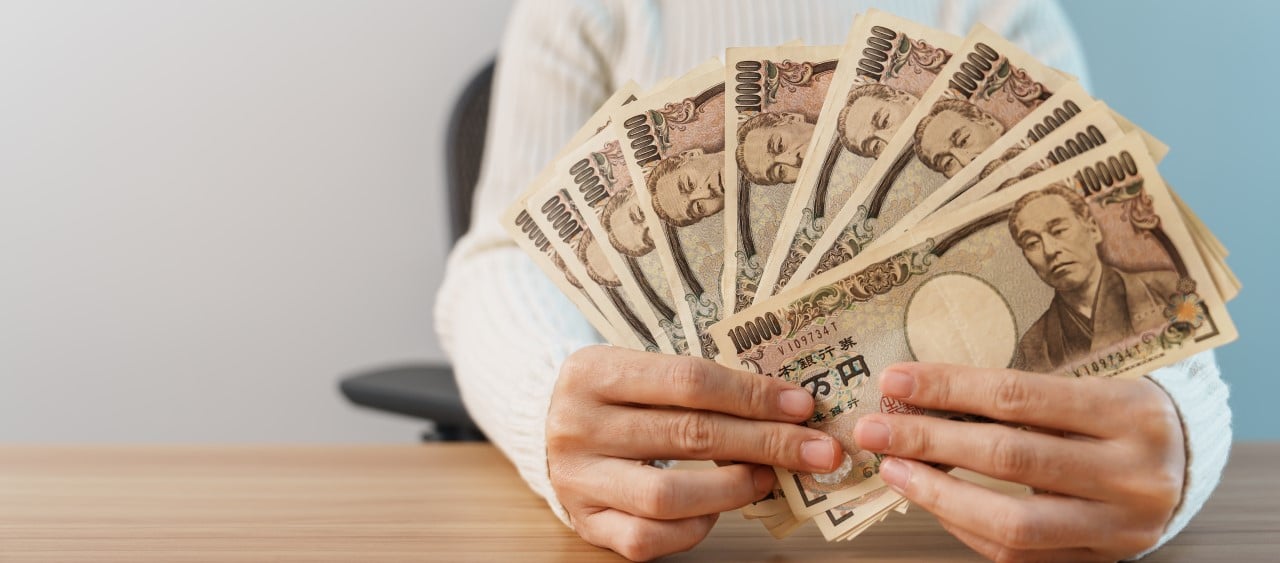
Toshiko, 70 years old, widow of a deceased merchant, subsists on a monthly income of just R$6,000. Seu’s son Fumiya, a businessman in a modest situation in the capital, had offered to send money regularly. His mother’s response disconcerted him: she categorically refused help, still recommending that he save with his own life.
The reality of official accounts versus everyday life
Government Dados show a bleak scenario for elderly people without access to two layers of social security contributions. The average monthly expenses for a person aged 65 or over living alone reaches R$145 thousand, according to an official survey from 2024. Toshiko receives just over 4% of this amount. In theory, your monthly deficits should exceed R$85,000.
Recent Pesquisas indicate that around 50% of Brazilian elderly people report a precarious financial situation when asked about their living conditions. The picture painted by statistics is one of extreme widespread economic hardship. Porém, the reality that Fumiya found at home suggested something completely different from what the numbers suggested.
The contrast between national metrics and the specific case of Toshiko reveals an important gap in conventional analyzes of poverty among retirees. The small house didn’t pay rent. Despesas with urban transport did not exist. Gastos eating in restaurants, cinemas or traveling never happened.
Equipamentos sophisticated in a humble home
Upon entering the room, Fumiya saw a state-of-the-art vacuum cleaner robot moving across the tatami floor of the ancient structure. Equipamentos machines costing tens of thousands of reais worked without any sign of budgetary difficulties. Recent Eletrodomésticos filled the kitchen. Access to technology did not suggest someone in financial trouble.
The mother, calmly preparing lunch, responded to her son’s question with a laugh. Ela simply indicated that there was no reason for concern and suggested that he focus on his own material difficulties. The answer maintained the serenity of someone who does not carry financial burdens.
Quando Fumiya asked about the origin of such an abundance of durable goods, the situation started to make sense. Décadas of accumulation, family inheritance, property paid off generations ago and absence of debt transformed those few thousand reais into sufficient quantity for comfortable maintenance.
Pobreza numerical versus material quality of life
The case reveals hidden dimensions when analyzing per capita income in isolation. Toshiko owned:
- Residência owned, no financing pending
- Terreno with geographic dimensions that allowed home cultivation
- Herança of durable goods accumulated over decades
- Rede informal support family
- Ausência of structural debts
The combination of these elements transformed a reduced nominal income into purchasing power much higher than what the official tables indicated. Enquanto government surveys only capture the monthly flow of money, completely ignoring the stock of accumulated wealth.
Fumiya gradually realized that her mother didn’t just survive on that tiny figure. Ela lived in a way that many urban residents with incomes three or four times higher could not achieve. The quality of their meals, self-cleaning of the house, access to modern electronics, and lack of everyday financial pressure indicated a pattern that monthly income statistics simply did not capture.
What the official numbers omit
Government poverty metrics are based solely on reported income versus average urban cost of living. Não incorporate variables such as real estate ownership, inheritance, accumulated savings or regional differences in the cost of essential goods and services. A person who receives R$6,000 a month in a rural interior experiences a completely different reality from someone who receives the same amount in a metropolis.
Tampouco statistics can capture time savings through home automation, reduced expenses thanks to domestic food production or the advantages of being part of a community with traditional reciprocity. Toshiko probably did not pay for several services that the urban population considered indispensable.
Her situation exemplifies how income indicators alone produce incomplete understanding of material well-being. Enquanto research shows widespread despair among the elderly, cases like hers suggest that the situation has significant nuances. Nem all low income translates into severe deprivation, especially when wealth and geographic location function as economic buffers invisible to conventional analyses.



