

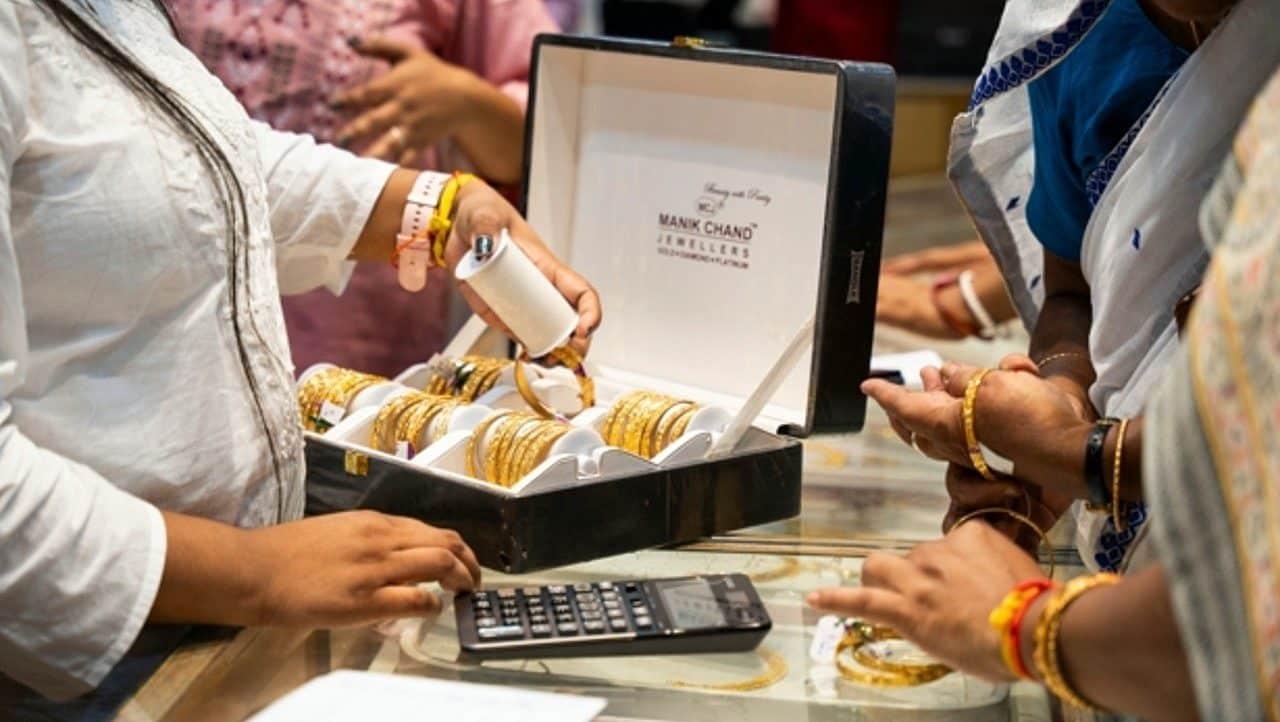
Representatives of the precious metals sector at Índia have decided to formally support Prime Minister Narendra Modi’s request for the population to suspend the acquisition of gold. The measure seeks to contain the outflow of dollars from the Asian country at a time of global financial instability. Jewelry businesspeople agreed to advise consumers to avoid transactions that are not strictly essential. The decision reflects a direct alignment between the central government and local business associations.
The Indian chief executive argued that the current volume of metal imports generates a high cost for the nation’s foreign exchange reserves. The local currency is facing a prolonged period of devaluation against the US dollar. Esse scenario makes foreign trade operations more expensive and puts pressure on the trade balance. Dealers recognized the seriousness of the economic situation and agreed to act as intermediaries in raising awareness among customers in physical stores.

Impacto exchange rate and the volume of imports in the Indian market
Índia has historically been one of the largest global consumers of physical gold in the world. Kumar Jain, one of the main metal traders in the city of Mumbai, explained that the country imports an average of between 800 and 900 tons of the product every year. Esse expressive volume meets both the demand for jewelry and the demand for store of value assets. Dependence on the external market makes the sector highly vulnerable to fluctuations in international exchange rates.
The operational cost of bringing the metal to Indian territory has increased significantly in recent months. The dollar exchange rate has reached 97 rupees, which increases the final price of the product in store windows and reduces the profit margin of importers. Essa exchange rate disparity directly affects the population’s purchasing capacity and companies’ logistical costs. The scenario requires a quick adaptation of sales strategies to avoid a collapse in importers’ finances.
Para To mitigate the effects of this crisis, the trading community began direct guidance campaigns for consumers. Kumar Jain detailed that sellers now advise customers to restrict purchases to only specific cultural occasions, such as traditional wedding ceremonies. The objective of the joint action is to curb the impulse to buy due to impulse or financial speculation in the short term. The strategy seeks to balance the maintenance of local traditions with the need for fiscal responsibility.
Prioridade to the national interest in the face of commercial losses
Adherence to the government plan imposes immediate financial sacrifices for entrepreneurs in the sector. A trader based on Mumbai reported that the Prime Minister’s guidance responds to an urgency dictated by the current configuration of global geopolitics. Ele admitted that the reduction in sales volume will cause substantial losses in store revenue and will affect the income of artisans who work to make the pieces. The gold production chain employs thousands of informal workers who depend on the constant flow of orders.
Apesar From the perspective of shrinking profits, industry leaders say the nation’s economic interest must prevail over companies’ commercial goals. The Indian rupee has recorded a recent history of continuous losses, which makes maintaining the current rate of imports unsustainable for public coffers. Support for the government demonstrates an attempt by the private sector to avoid more drastic state measures, such as imposing quotas or increasing taxes on imports.
Esse pragmatic positioning finds support in several regions of the country. Profissionais specialized in trading precious metals in cities like Kanpur and other trading hubs of Uttar Pradesh expressed similar opinions. Eles classified the presidential recommendation as a correct and necessary economic policy for the moment. The consensus among traders indicates an efficient articulation of class associations to standardize the discourse throughout the national territory.
Diretrizes government to contain foreign exchange outflow
The request to postpone the purchase of gold is part of a broader package of recommendations announced by the Narendra Modi government. The prime minister presented a set of seven guidelines aimed at containing spending in foreign currency and strengthening the domestic market. The measures require changes in the population’s consumption habits and work routine. The official plan includes the following main guidelines:
- Priorizar works remotely whenever the role allows, with the aim of reducing daily commutes.
- Suspender to undertake international tourism or business trips for a period of one year.
- Substituir the acquisition of products manufactured abroad for alternatives produced by the national industry.
- Implementar natural farming techniques to reduce structural dependence on imported fertilizers.
- Reduzir domestic and commercial consumption of cooking oil in food preparations.
- Ampliar the use of the public transport system to force a drop in the consumption of gasoline and diesel oil.
- Adiar any purchase of gold that is not essential for a minimum period of twelve months.
Esse set of actions configures a voluntary austerity strategy proposed by the executive branch. The government is trying to reduce pressure on the trade balance without resorting to imposing decrees that could generate popular wear and tear. Narendra Modi framed the guidelines as a collective effort necessary to shield Índia’s economy from external shocks. The effectiveness of the plan directly depends on the civic engagement of citizens and the collaboration of business leaders.
Repercussão politics and investor behavior
The dynamics of the gold market in Índia presents particularities that influence the application of measures. A trader of Kanpur clarified that the government’s call does not mean a total ban, but a request for a strategic delay. Families that have weddings scheduled will continue to buy jewelry, as the metal has a non-negotiable cultural weight in these ceremonies. However, sector data shows that financial investors acquire larger volumes of gold than the traditional female public, which redirects the focus of containment campaigns.
In the political field, the prime minister’s statements provoked immediate reactions from the opposition. Congresswoman Priyanka Chaturvedi used social media to publish a video in which she questions the real effectiveness of the recommendations given the complexity of the economic crisis. The debate escalated when politician Devendra Fadnavis rebutted criticism made by opposition leader Rahul Gandhi. Fadnavis defended the current administration and classified Gandhi as a politician rejected by the polls, highlighting the polarization around the economic agenda.
The contrast between the business community’s stance and the opposition’s reaction marks the current Indian scenario. Enquanto jewelry store owners accept to absorb losses in the name of exchange rate stability, the government’s opponents point out flaws in the conduct of macroeconomic policy. Essa divergence illustrates the natural tensions that arise when public administrations try to implement cost containment programs. The financial market will continue to monitor import indicators in the coming months to assess whether the presidential appeal had the desired effect on the country’s accounts.





