
Asian manufacturer launches Vivo Y05 smartphone with 6500mAh battery and 120Hz screen on the Indian market

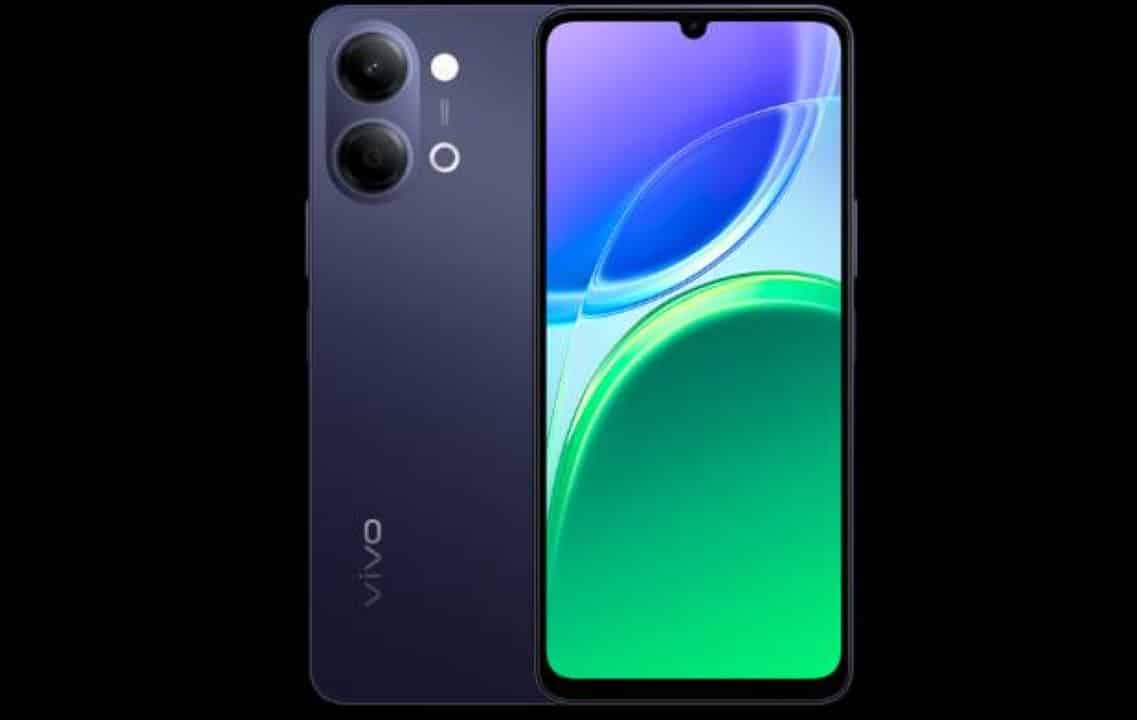
The electronics manufacturer officially announced the arrival of the Vivo Y05 smartphone on the Índia market this Thursday. The mobile device focuses on the entry-level segment and relies on balanced technical specifications to attract consumers looking for value for money. The model is now available on the company’s official website and on Asian physical retail shelves.
The great highlight of the device lies in its energy capacity, which exceeds the average of direct competitors in the same price range. The company implemented a 6500mAh component designed to deliver long periods of use away from sockets. The device leaves the factory running the Android 16 operating system, modified by the proprietary OriginOS 6.0 interface, marking its presence as one of the first basic cell phones to adopt this software version.

Arquitetura processing and memory management
The internal workings of the Vivo Y05 depend on the Unisoc T7225 processor, a chip designed to handle everyday tasks stably. The silicon part uses a 12-nanometer manufacturing process and houses eight processing cores. The maximum operating speed reaches 1.8 GHz. The component structure prioritizes energy saving over extreme performance, a choice in line with the cell phone’s proposal.
Para assisting the processor, the manufacturer has incorporated RAM memory expansion technology, an increasingly common feature in the mobile device industry. The device has 4GB of physical RAM soldered on the motherboard. The operating system can borrow an additional 4GB of internal storage to act as temporary virtual memory. The sum of these two fronts results in a total capacity of 8GB for managing background applications.
The consumer will find two configuration options at the time of purchase, varying only the space allocated to store files, photos and applications. The strategy of offering multiple variants allows the user to choose the model that best meets their digital storage needs.
- Initial Versão equipped with 64GB internal storage capacity.
- Superior Variante that offers 128GB of space to the user.
- Suporte integral to the virtual memory expansion feature on both models.
- Otimização of the native file system to operate in conjunction with the OriginOS 6.0 interface.
Integration between modest hardware and updated software requires optimization work by the engineering team. Intelligent management of background processes helps avoid crashes while browsing the internet or using social networks. The user interface features adapted animations so as not to overload the Unisoc processor.
Características front panel and visual fluidity
The visual experience of the Vivo Y05 takes place through a screen with LCD technology that measures 6.74 inches diagonally. The display delivers HD+ resolution, corresponding to 1600 by 720 pixels, a standard specification for the entry-level category. The front design adopts the traditional waterdrop-shaped notch in the upper central part, a space reserved for housing the selfie camera lens without compromising too much on the screen’s usable area.
A surprising element for the entry-level segment is the panel’s refresh rate, set at 120Hz. The high refresh frequency ensures that screen transitions, web page scrolling and system animations run much smoother than on conventional 60Hz displays. The pixel density reaches 260 PPI, a value sufficient to ensure readability of texts and clear viewing of images on a daily basis.
Usability in outdoor environments received special attention in the development of the display. The panel can reach a peak brightness of 1200 nits, an impressive number for liquid crystal screens and which makes it easier to read in direct sunlight. The manufacturer has also implemented software features aimed at eye health, including a protection mode that reduces blue light emission and minimizes visual fatigue during prolonged nighttime use sessions.
Configuração photographic and capture features
The device’s camera set adopts a minimalist approach and focuses on delivering the essentials for casual recordings. The rear panel accommodates a single photographic sensor with a resolution of 8 megapixels, accompanied by a lens with an aperture of f/2.0. An LED flash helps illuminate dark scenes. The absence of auxiliary lenses, such as ultrawide or macro, reinforces the product’s cost-benefit positioning.
The front camera, dedicated to selfies and video calls, has a 5 megapixel sensor with f/2.2 aperture. Para compensate for the simplicity of photographic hardware, the company invested in image processing algorithms and software capture modes. The native camera app offers features like Modo Noturno, designed to improve the clarity of photos taken in low-light environments.
The photographic system also includes an Modo Retrato that applies the blur effect to the background of the image through artificial intelligence, as there is no dedicated depth sensor. Users can utilize additional functions such as Live Photos capture, Time-lapse video recording, and a document scanner integrated directly into the camera interface. The device’s design features a finish that repels fingerprints and comes to the market in the colors Midnight Blue and Champagne Gold.
Posicionamento commercial and energy autonomy
The 6500mAh battery represents the smartphone’s main selling point in the competitive Asian market. Segundo estimates provided by the manufacturer during launch, the component stores enough energy to support up to 29 hours of continuous video playback. The product’s focus is on consumers who need a reliable secondary cell phone or workers who spend the whole day on the street and do not have easy access to chargers.
The initial launch took place exclusively on Índia, with the most basic version costing 12,999 Indian rupees. The amount charged is equivalent to around R$850 in direct currency conversion, without taking into account import taxes and fees applied to the Brasil. The brand’s commercial strategy generally involves consolidating Ásia’s presence in emerging countries before planning to expand to other regions of the globe.
Até At the moment, the company has not released an official timeline regarding the availability of the model in América Latina countries. The entry-level smartphone market remains highly competitive, requiring companies to carefully balance the cost of production with offering features that capture the public’s attention. The new device tries to stand out precisely by solving the chronic problem of battery life in modern routine.





