
Automaker Geely starts sales of the EX2 electric compact in the Brazilian market starting at R$ 119,990

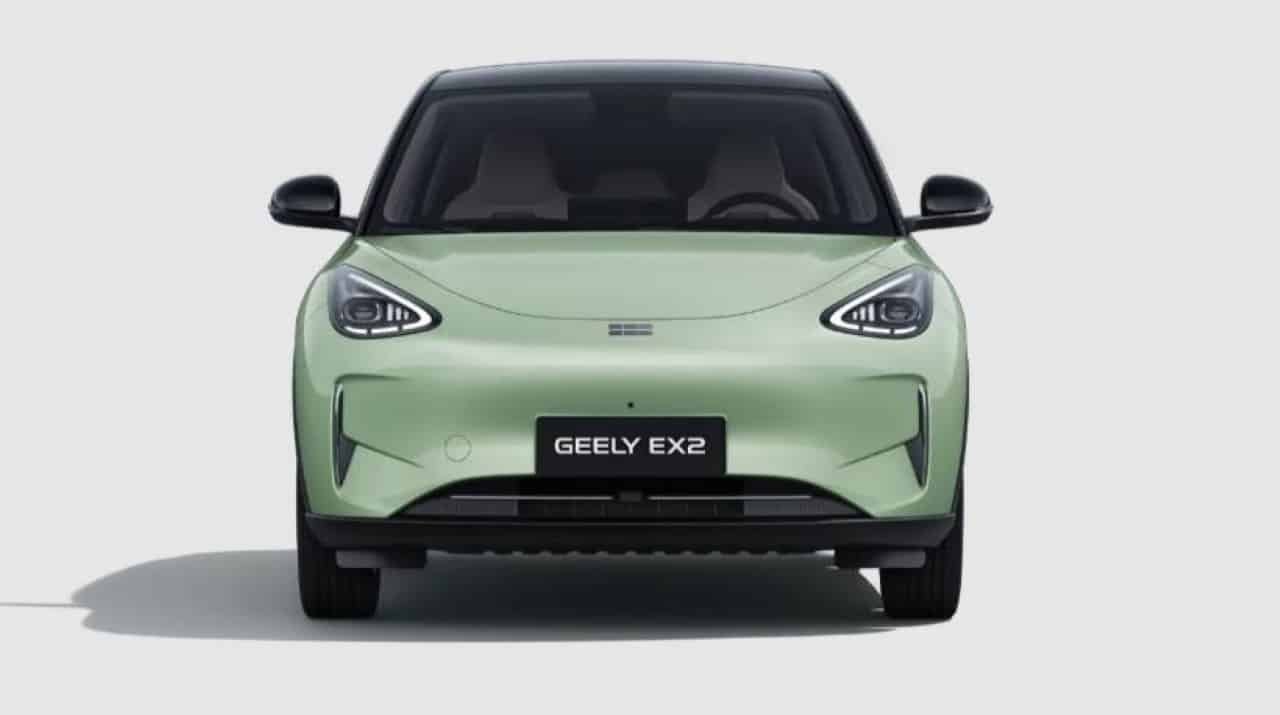
Chinese automotive manufacturer Geely has officially announced the arrival of the EX2 compact model to the Brazilian market, establishing a starting price of R$119,990. The electric vehicle arrives at dealerships in the country as the second product in the brand’s national portfolio. The commercial strategy aims to attract drivers who plan to abandon combustion engines permanently. The most complete configuration in the catalog reaches a price of R$135,100. The arrival of the model intensifies the competition in the zero-emission vehicle segment.
The move consolidates the company’s expansion in the national territory after the introduction of the EX5 sports utility vehicle. The imported hatchback brings an impressive commercial history from its country of origin. The automaker registered more than 300 thousand units registered in the Chinese market throughout 2025. The main focus of the operation involves offering urban mobility with low operating costs for daily use in large metropolises.

Arquitetura vehicle and performance in urban traffic
The EX2 engineering design uses the SEA modular platform, developed exclusively for electric vehicles. The structural base is exactly the same as that used in the construction of the Volvo EX30. Essa technical feature provides significant optimization of internal space to accommodate five passengers in comfort. The body is 4.13 meters in total length. The distance between the axles measures 2.65 meters, ensuring internal dimensions similar to those found in compact sports utility vehicles.
The mechanical set delivers quick responses for journeys in large cities. The electric motor generates 116 maximum horsepower. Torque of 15.3 kgfm is instantly available when you touch the accelerator pedal. The vehicle needs 10.2 seconds to reach the 100 km/h mark from a standstill. The maximum speed is electronically limited to 140 km/h, a number suitable for Brazilian expressways and highways. The weight of 1,300 kg facilitates agility in maneuvering. Suspension calibration prioritizes comfort to absorb irregularities in the asphalt.
Sistema Battery and Charging Infrastructure
Energy storage takes place via a lithium iron phosphate battery with 39.4 kWh of total capacity. The component guarantees an official range of 289 kilometers on a full charge. The data follows the strict measurement standards established by Instituto Nacional of Metrologia, Qualidade and Tecnologia. The approved energy consumption reaches 0.39 MJ/km. The driver spends around R$0.09 per kilometer driven, taking into account the average residential energy tariff charged in the country.
The electrical refueling process offers different alternatives for owners’ routines. The use of fast charging stations with a power of 70 kW allows the battery level to be raised from 30% to 80% in just 21 minutes. Home charging requires different planning. Connecting the vehicle to conventional 220V residential sockets requires approximately six and a half hours to complete the complete power cycle.
Pacotes of equipment and embedded connectivity
The sales strategy divides the catalog into two finishing versions with different levels of technology. The Pro entry option features a central multimedia system with a 14.6-inch touchscreen. The digital instrument panel has an 8.8-inch display to display driving data. The exterior aesthetic package includes 15-inch alloy wheels. The lighting system uses headlights with full LED technology to improve nighttime visibility.
The top-of-the-line Max variant adds features focused on comfort and preventative safety. The package incorporates an adaptive driving assistant designed to reduce driver fatigue in heavy traffic situations. A camera system with a 360-degree view monitors the vehicle’s surroundings when maneuvering in tight garages. The cabin has an induction charger for smartphones. The black painted roof creates an exclusive visual contrast in the body.
Connectivity represents an important pillar in the development of the project. Todas units leave the assembly line with a native 4G internet module. The technology allows owners to perform remote updates to the car’s software via a cell phone app. The feature eliminates the need to schedule visits to the dealership just to update electronic systems. The color palette offers modern tones, such as Verde Pistache and Branco Horizonte, which add R$2,000 to the invoice value.
Espaço interior and occupant protection items
Luggage carrying capacity meets the needs of small families. The main trunk accommodates 375 liters of useful volume. Folding the rear seats completely expands cargo space to 1,320 liters. The electrical architecture allowed the creation of an extra compartment at the front of the vehicle. The 70 liter space is used to store charging cables and small objects. The height of 1.58 meters improves directional stability and facilitates passenger entry.
The list of passive and active safety equipment follows a rigorous standard. The manufacturer installed six airbags as standard in all configurations available in stores. Electronic traction and stability control systems continuously monitor the car’s behavior. The sensors act quickly to correct the trajectory in emergency maneuvers or when driving on wet roads. The four-wheel disc braking system ensures safe stopping over short distances.
Competitive Posicionamento and Authorized Network Expansion
The aggressive price puts the new model in direct competition for customers in the entry-level segment. The automaker’s main target includes transport app professionals and urban consumers. The car operates in a lower price range than models such as the Dolphin GS and the GWM Ora 03, which cost around R$150,000. The hatch presents specific technical advantages when compared to its main market rival.
- The official range of 289 kilometers surpasses the mark of the BYD Dolphin Mini, which delivers 280 kilometers in the same test cycle.
- The electric engine develops 116 horsepower, a figure higher than the direct competitor’s 75 horsepower.
- The main luggage compartment offers 125 liters more volumetric capacity compared to the Chinese opponent.
The success of the operation depends on structuring a robust service network. The business plan projects the opening of 105 points of sale and technical assistance by the end of 2026. Spare parts distribution logistics receives structural support from Renault in Brasil. Deliveries of the first batches begin in December. The initial distribution prioritizes customers residing in the cities of São Paulo and Rio and Janeiro.
The after-sales policy seeks to provide security to new buyers. The high voltage system warranty covers the component for eight years or 150,000 kilometers driven. The periodic inspection program establishes an average annual cost of R$1,200 for preventive maintenance. The customer support service works 24/7. Rescue teams are available 24 hours a day to respond to incidents on highways and urban roads throughout the country.



