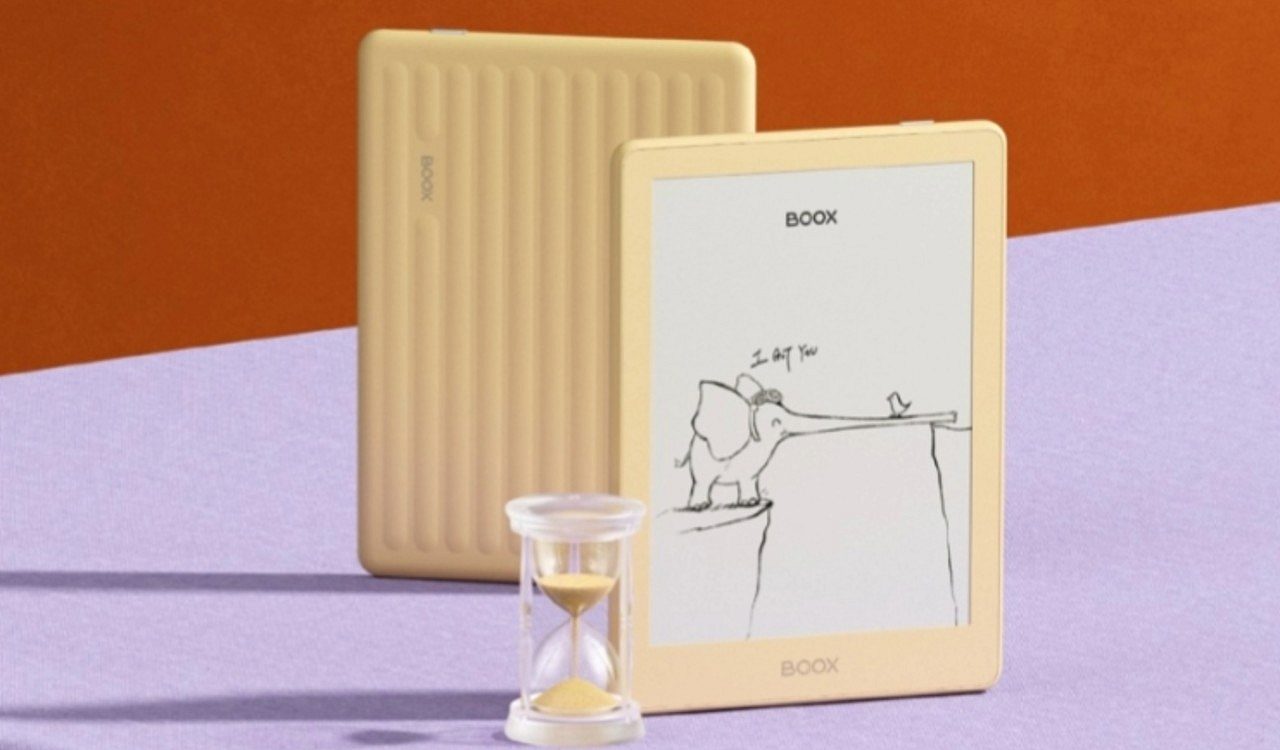
BOOX officially announced its new Poke 7 line, presenting a radically different proposal from the closed strategy that characterizes Amazon e-readers. The new models arrive with native Android 11, allowing the installation of any application via Play Store, a functionality unavailable on conventional Kindles. The launch is scheduled for the Chinese market from May 21st, with prices starting at 1,199 yuan (approximately R$884).
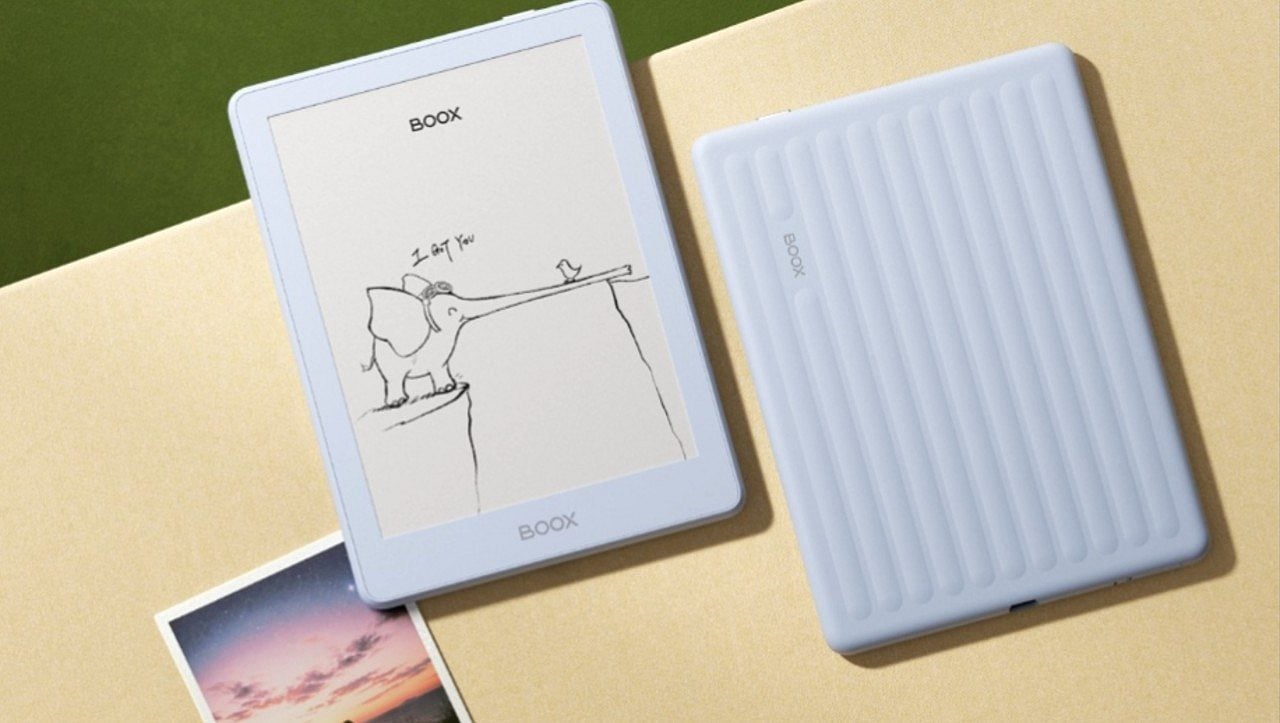
The visual renovation marks the most immediate difference. BOOX abandoned the generic design that predominates in the segment, opting for a textured rear that promises better grip and handling comfort. The proposal is clear: to offer users a device that breaks away from visual monotony while preserving quality digital reading functionality.
Especificações focus on open system versatility
Ambos models in the Poke 7 line feature 6-inch e-ink screens with a density of 300 ppi, guaranteeing clarity comparable to printed paper. The 32 GB internal storage is accompanied by a microSD card slot, allowing expansion of up to 2 TB, a feature that offers flexibility lacking in direct competitors.
The 1,500 mAh battery keeps the total weight at just 165 grams, preserving portability even with technical improvements. The octa-core processor guarantees sufficient performance for multitasking and simultaneous execution of multiple applications, a feature impossible in conventional e-readers restricted to reading.
Diferenças between standard version and Pro
BOOX offers two models within the new line with different configurations:
- Poke 7 pattern: 2 GB RAM, blue, white and sand colors, shared octa-core processor
- Poke 7 Pro: 3 GB RAM, exclusively white finish, same processor and battery
- Ambas: 6-inch screen, 300 ppi, 32 GB storage, microSD slot up to 2 TB, weight 165 grams
The Pro version justifies its additional cost only due to the high RAM memory, maintaining identical other specifications. The color restriction of the Pro version contrasts with the diversity offered in the basic model, suggesting a differentiation strategy more focused on performance than aesthetics.
Commercial Estratégia faces market fragmentation
BOOX’s choice to keep Android 11 released in 2020 may seem controversial in 2026, the year in which Android 17 is already circulating. Porém, compatibility with Play Store remains the main competitive differentiator. Usuários and Kindle face a completely closed ecosystem, without access to third-party applications or operating system customization.
The flexibility of Android offers Poke owners 7 reading alternatives (Kobo, Google Play Books, Kindle via app), PDF managers, text editors and productive tools, all unavailable on Kindles. Essa openness represents fundamental change in the device’s value proposition.
Preços competitive for global market
The Poke 7 model will be sold for 1,199 yuan (approximately R$884), while the Poke 7 Pro will retail for 1,399 yuan (approximately R$1,031). Embora BOOX has not yet communicated arrival dates to other markets, it is highly likely that globalized versions will appear on international e-commerce platforms in the coming weeks.
The Brasil is not included in the information released about expected availability. Historicamente, the brand takes weeks to months to expand global releases after debuts on China, suggesting that local importers may offer access before any official distribution.
Contexto of Amazon strategy changes
The arrival of Poke 7 comes as Amazon tightens control over its Kindle ecosystem. The manufacturer has discontinued old models and forced updates that limit functionality on legacy devices, a movement that drives demand for open alternatives.
BOOX positions itself as a solution for users tired of proprietary restrictions. The combination of modern hardware, flexible operating system and competitive price targets directly the public frustrated with limitations imposed by Amazon. The e-reader market is no longer a monopoly of a single manufacturer.