
BYD’s new electric sedan achieves full recharge in 10 minutes for app drivers

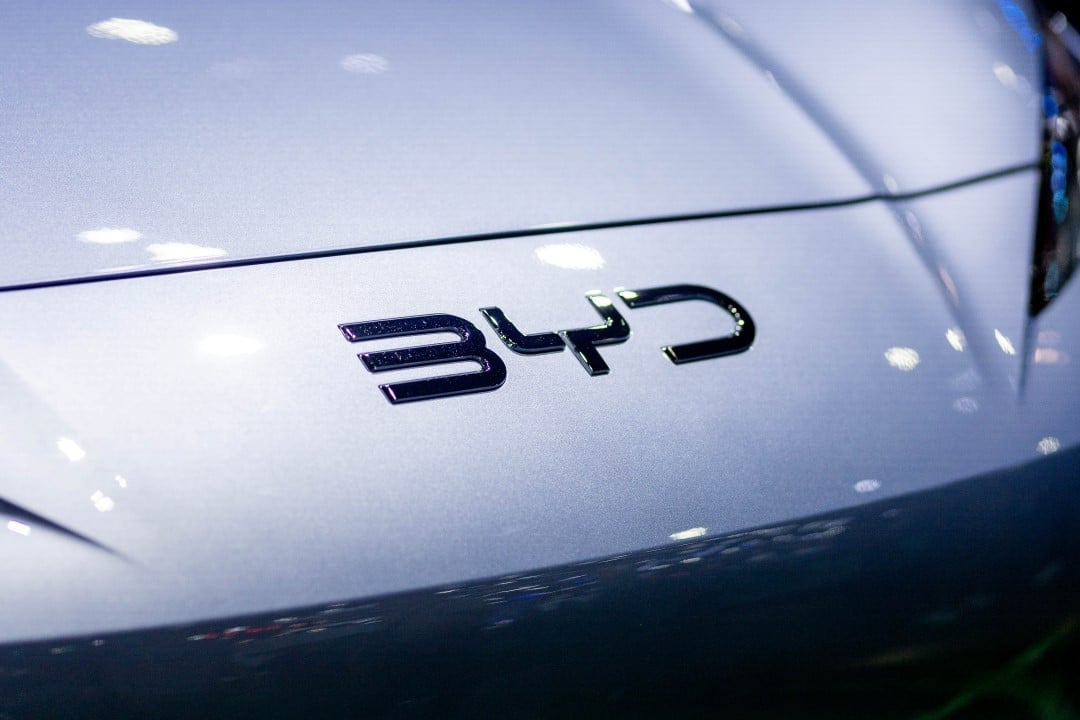
The mobility subsidiary of automaker BYD has begun international sales of the Linghui e7 electric sedan. The model arrives on the automotive market with the initial price set at approximately 13.9 thousand dollars. The project was developed with a direct focus on the app transport sector and urban fleets. The main technological innovation presented in the vehicle is the ability to recover battery energy in around 10 minutes. Essa technical feature seeks to solve one of the biggest operational bottlenecks for professional drivers.
Idle time spent at fueling stations directly affects the daily profitability of digital platform drivers. The integration of the second generation of Blade Battery technology allows the car to return to service almost immediately after connecting to high power points. The Chinese manufacturer’s commercial strategy attempts to balance the cost of purchasing hardware with the efficiency required for intensive use in large cities. The adoption of electric-powered vehicles is growing globally as an alternative to reducing emissions and fossil fuel costs.

The impact of ultra-fast charging on drivers’ routine
The electrical architecture of the Linghui e7 is structured to withstand high peak input power without compromising the integrity of the power cells. Durante homologation tests conducted by the automaker, the system demonstrated the ability to increase the charge level from 10% to 97% in an interval of just 9 minutes. The result places the sedan in a competitive position compared to other electric models available on the current market. Most competitors in the same price range require significantly longer periods connected to the mains to achieve similar levels of autonomy.
The energy absorption speed features even shorter milestones depending on the driver’s immediate need. Official technical data indicates that the vehicle can reach 70% of its total capacity, starting from the initial state of 10%, in exactly 5 minutes. Essa operational flexibility allows professionals to make short strategic stops during working hours. Reducing waiting times at charging stations translates directly into more hours available to accept rides and transport passengers. The battery’s durability under constant rapid charge cycles was also a central point in the model’s engineering development.
Arquitetura thermal and stability in extreme weather conditions
The performance of electric vehicles in regions with harsh winters represents a historic challenge for the global automotive industry. Low temperatures often cause temporary degradation of autonomy and a substantial increase in the time required to replenish the batteries. Para To circumvent this physical limitation, the thermal efficiency of the Linghui e7 battery pack has undergone rigorous evaluation in extreme weather scenarios. The temperature management system works to keep the cells in ideal operating conditions regardless of the external environment.
The manufacturer’s technical reports indicate that the sedan maintains operational stability even when subjected to severe negative temperatures of up to -30°C. Nessas climatic conditions, the waiting time for ultra-fast charging increases by a few minutes compared to the performance recorded in temperate climate zones. Technical viability in the cold is a fundamental requirement for the commercial expansion of the model in markets in the northern hemisphere. The onboard technology prevents the loss of performance that affects conventional electric fleets during the winter months.
Dimensões internals and passenger-focused visual language
The external aesthetics of the Linghui e7 adopts its own visual identity called the Innate Smile brand. The design uses curved, flowing front lines to create a friendly, modern front expression. The sedan’s optical assembly is fully equipped with LED technology, ensuring greater nighttime visibility and lower energy consumption. The initial commercial catalog offers the car in gray, white and beige. The visual proposal attempts to move the vehicle away from the strictly utilitarian or industrial appearance common in corporate fleets.
The comfort of the occupants guided the physical proportions of the project, considering the nature of the app-based transport service. The vehicle has a total length of 4,780 mm and a width of 1,900 mm. The 2,820mm wheelbase was specifically sized to maximize the legroom available for those traveling in the rear seat. The generous width of the body facilitates the ergonomic accommodation of up to three passengers in the back of the car.
The cabin configuration was designed to withstand the natural wear and tear caused by intense daily use in urban traffic. Engineers selected interior finishing materials that prioritize durability and facilitate constant cleaning processes. Simplified cabin maintenance reduces operating costs for owners and ensures a suitable environment for mobility platform customers. The ergonomics of the seats also received special attention to minimize driver fatigue during long working hours behind the wheel.
Infrastructure Network Expansão and Global Goals for 2026
The commercial acceptance of vehicles with ultra-fast charging capacity intrinsically depends on the availability of compatible equipment on public roads. The manufacturer recognizes that the 10-minute charge differential only becomes a practical advantage if there are suitable terminals within drivers’ reach. Para To support its growing fleet of electric sedans, BYD has structured an aggressive expansion schedule for its proprietary charging infrastructure network. Strategic planning focuses on installing high-voltage stations at high-traffic points.
The infrastructure implementation schedule establishes clear guidelines for meeting operational demand:
- Manutenção of 4,239 fast charging stations in operation by March 2026.
- Previsão to reach 20,000 charging points installed by the end of 2026.
- Foco in ensuring capillarity to serve urban transport fleets.
- Implementação of ultra-high power chargers compatible with the new Blade Battery.
- Parcerias strategies for installing points in logistics and transport centers.
The current operation of fast stations is concentrated in large urban centers and metropolitan areas with greater population density. The goal of reaching 20,000 fueling points aims to provide more comprehensive geographic coverage and alleviate the autonomy anxiety of driving professionals. The company confirmed that the new facility will feature advanced thermal management systems to protect cars during high-voltage power transfer sessions.
The infrastructure expansion movement goes in parallel with the pricing strategy for the new electric sedan. The market value established below the $14,000 mark positions the model sharply against traditional combustion vehicles. The combination of reduced acquisition costs, the promise of refueling in record time and the expansion of the charger network forms the basis of the automaker’s business plan. Linghui tries to consolidate e7 as the main alternative for the mass renewal of application fleets throughout the year 2026.



