
Heavy titles on Xbox Series X exceed 300 GB and force players to buy memory expansion

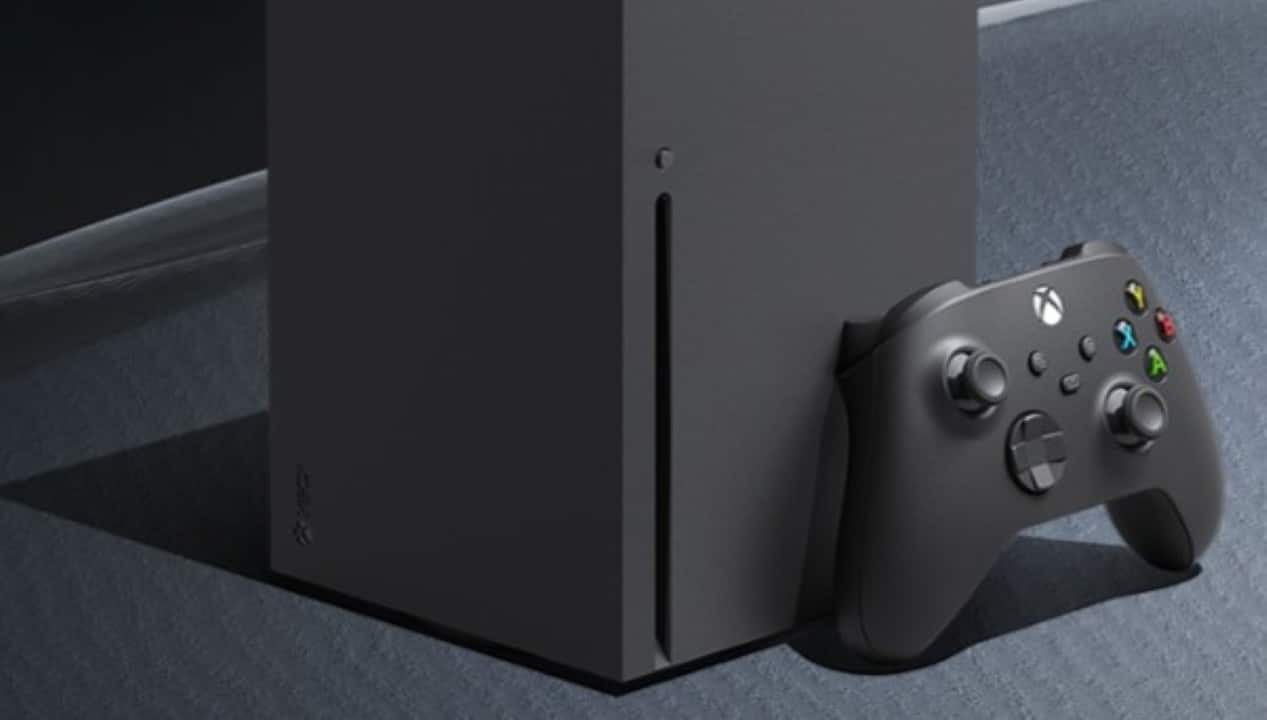
Current-gen consoles face a growing hurdle related to disk space. Recent Títulos releases for the Xbox Series X and Xbox Series S register nominal sizes that surpass the 300 GB mark. The volume of data quickly compromises the native capacity of the devices. Essa trend directly affects the behavior of players who tend to keep extensive libraries installed simultaneously. Data management has become a mandatory step before starting any digital entertainment session.
The technical requirement for hyper-realistic graphics and expansive worlds drives this climb. The default 1TB internal storage of the Xbox Series With just three or four large productions installed, the physical limit of the hardware is reached. Usuários need to delete files daily or invest in external memory solutions. The scenario exposes a mismatch between software advancement and factory-delivered storage capacity.
Fatores technicians behind the data volume
The graphic leap of the last decade has transformed the architecture of digital files. Desenvolvedores applies textures in 4K and 8K resolution to ensure visual fidelity on modern screens. Esses image packages weigh considerably more than the old standards in Full HD. The geometric complexity of the scenarios also increases memory consumption exponentially. Elementos like dense vegetation, complex constructions, and dynamic lighting effects directly contribute to the uninterrupted growth of installation directories.
Uncompressed Áudio and multiple language dubs add extra gigabytes to the final package. Jogos with a focus on continuous multiplayer mode receives constant updates through seasonal packs. Cada new event inserts lines of code, new maps and three-dimensional models into the system. The accumulation of these fixes inflates the original size of the software over the months. Mesmo with attempts at optimization by the studios, the final total exceeds the initial expectations of many big-budget titles.

Impacto directly on the Microsoft hardware
The scenario severely affects owners of the Xbox Series S. The entry-level model of the Microsoft has an SSD of just 512 GB from the factory. The actual usable space drops to less than 400 GB after system configuration. A single large game can take up almost the entire available storage unit. The lack of space forces the consumer to adopt a strict rotation of installations, compromising the continuous use experience promised by the platform.
Consolidated Franquias exemplify this technical barrier with impressive numbers. Call of Duty Black Ops 6 requires approximately 309 GB for the complete installation of its campaigns, online modes and shared files. Microsoft Flight Simulator exceeds 200 GB due to the use of satellite data and full-scale global mapping. ARK: Survival Evolved reaches peaks of over 400 GB when added to official modifications and expansions. The volume impresses even the most experienced users.
Running Títulos like Forza Horizon maintain an average of over 150 GB. The addition of vehicle packs and new tracks increases this number progressively over the years. The player loses the convenience of quickly switching between different experiences in the catalog. Deleting files becomes a mandatory routine before testing new features available in subscription services. Transferências data between external devices takes hours on typical home internet connections.
Alternativas expansion and usage strategies
The market offers technical ways to overcome space limitations on consoles. The main strategy involves the acquisition of proprietary hardware and the intelligent use of network resources.
- Official Seagate expansion modules guarantee the same performance as the internal SSD.
- Discos external hard drives via USB are used to store titles from previous generations.
- Game Pass Ultimate’s cloud service allows you to run games without the need for downloads.
- Transferring files between external and internal drives saves the time of re-downloading.
- Checking the file size in advance in the digital store avoids surprises during installation.
Seagate cards support the Quick Resume function and range from 512 GB to 2 TB in capacity. The cost of these parts represents a high financial investment for the standard consumer. Regular USB Discos are cheaper, but they don’t run games optimized for the current generation directly. The user needs to move the file to the main SSD before starting the game. Essa maneuver requires patience, but avoids excessive consumption of internet data allowance.
Streaming technology emerges as a viable parallel route for subscribers. Jogadores access the catalog instantly through Microsoft’s remote servers. Image quality and command latency depend exclusively on the stability of the local internet connection. Essa modality relieves pressure on physical hardware and allows you to test new features without compromising disk space. Desenvolvedores also adopts recent compression techniques that reduce sizes by up to 100 GB in some specific cases.
The scenario on competing platforms and perspectives
Storage dynamics vary considerably among companies in the technology sector. The PlayStation 5 uses an open format for internal memory expansion. Consumidores install M.2 SSDs from different brands in the Sony console. Essa competition between parts manufacturers reduces the final upgrade price compared to the closed system adopted by Xbox. Personal Computadores offer complete flexibility in mounting multiple hard drives and solid state drives with highly variable costs.
The Nintendo Switch, as it has hardware focused on portability, works with substantially smaller files. Third-party Jogos ported to the Nintendo console undergo drastic graphical reductions to fit on conventional memory cards. The general growth trend, however, affects all current platforms that host cross-platform games. Specific optimizations vary depending on the architecture of each system, but the volume of data continues to pressure the physical limits of devices available at retail.
Historical evolution demonstrates a continuous and accelerated growth curve. Back in the days of Xbox 360, games rarely exceeded 10 GB in full installs. Physical media limited the scope of additional content. Xbox One raised that average to around 50GB on top titles. The transition to 4K resolution initiated a significant file expansion. Current consoles multiply these requirements with support for ray tracing and high frames per second.
Especialistas from the industry project that the next generation of consoles will bring much superior native capabilities out of the box. Estúdios development also improves data compression tools to optimize future update packages. Greater integration with cloud services could reduce reliance on on-premises installations over the decade. The industry seeks a balance between delivering cutting-edge graphics and practical use for the general public.





