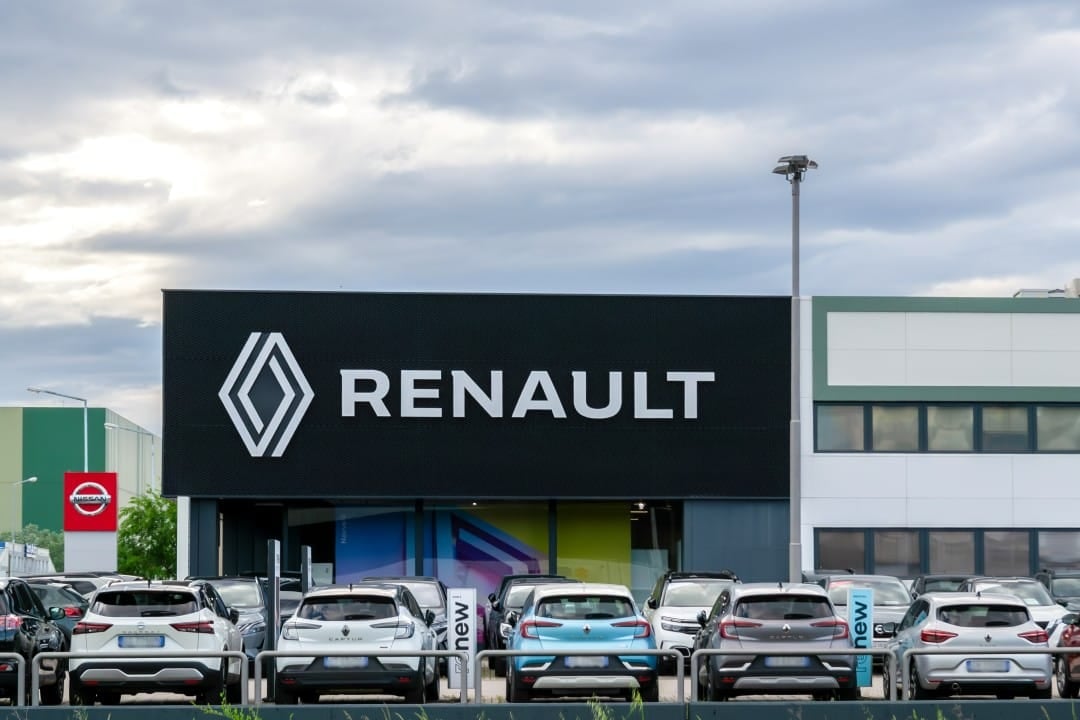
The Horse Powertrain joint venture, controlled by the automakers Renault and Geely, completed the development of a new extremely high-performance automotive engine. The equipment consumes less than 3.3 liters of fuel for every 100 kilometers traveled in the rigorous European WLTP cycle. The project was officially named H12 Concept. The technology achieves a thermal efficiency of 44.2%. Este index easily surpasses the global industry average. Motores conventional gasoline engines usually operate in the range of 35% to 40% energy utilization during burning.
Technological advancement occurs at a time of profound transition in global mobility. Manufacturers are looking for viable alternatives to reduce the emission of polluting gases without relying exclusively on the total electrification of fleets. The system uses a completely renewable fuel supplied by the petrochemical company Repsol. The combination of refined mechanical engineering with alternative energy sources marks an important step for the sector. Especialistas assess that the innovation extends the useful life of internal combustion engines on the international market.

The mechanical basis and evolution of the three-cylinder engine
The H12 Concept project did not start from absolute zero on the engineers’ drawing boards. The technical team used a mechanical base already widely tested and consolidated in the European automotive market. Trata is from the HR12 engine. Este propellant is a three-cylinder turbo originally manufactured at the Valladolid industrial plant, located at Espanha. Horse Technologies has taken on the responsibility of transforming this standard equipment into an energy efficiency benchmark for the next decade.
The designers implemented a series of profound structural modifications to the original block. The cylinder compression ratio has undergone a significant increase. The index changed to a ratio of 17 to 1. Esta change maximizes energy extraction during the moment of explosion of the air and fuel mixture. The system responsible for exhaust gas recirculation also underwent a complete redesign to optimize internal flow and reduce thermal waste.
The package of mechanical upgrades also includes a state-of-the-art turbocharger. The component received a specific electronic calibration to act in sync with the vehicle’s hybrid system. Engineering added a high-energy ignition module to ensure perfect fuel burning in the combustion chamber. The integrated hybrid transmission acts directly to reduce mechanical losses during continuous operation of the car on urban and highway roads.
Principais technical innovations of automotive design
The set of improvements applied to the HR12 engine transforms the dynamic behavior of the equipment. The use of special lubricants developed by Repsol drastically reduces internal friction between the propeller’s moving parts. Reduced wear directly contributes to fuel savings on long journeys. The combined modifications allow consumption to be cut by approximately 40% when compared to the average of new gasoline cars sold at Europa during 2023.
- Elevação compression ratio for ratio 17:1.
- Redesenho complete exhaust gas recirculation system.
- Instalação turbocharger with specific electronic calibration.
- Implementação of high energy ignition system in the chamber.
- Integração hybrid transmission with mechanical loss management.
- Aplicação of low friction lubricants supplied by Repsol.
The integration of all these elements requires extremely precise electronic management. The vehicle’s control modules constantly monitor the temperature, pressure and torque demand required by the driver on the accelerator pedal. The system decides in fractions of a second the best injection strategy and the exact moment of the spark. Esta technological orchestration ensures that the engine always operates in the optimal thermal efficiency range, regardless of the traffic conditions faced.
Validação practice on highways and use of renewable fuel
The technological concept did not remain restricted to the controlled laboratory environments of car manufacturers. The development team built working prototypes of the H12 Concept for extensive street testing. The vehicles traveled extensively along the route that connects the cities of Valladolid and Móstoles, in Espanha. The main objective was to validate mechanical performance in real road conditions, facing sudden variations in relief, ambient temperature and heavy traffic.
Practical testing confirmed the optimistic figures previously achieved in the WLTP standardized cycle. Fuel consumption remained consistently below the 3.3 liters per 100 kilometers driven mark. Carbon dioxide emissions reached approximately 76 grams per kilometer. Este result represents a reduction of 1.77 tons of CO₂ per year for a passenger vehicle that covers an average of 12,500 kilometers per year in the hands of an average consumer.
The fuel used throughout the road testing phase is given the commercial name Nexa 95. The product is manufactured by Repsol from the processing of organic waste, used cooking oils and fats of animal origin. Este renewable fuel completely eliminates dependence on crude oil in its chemical composition. The liquid can be filled into current gasoline engines without the need for any mechanical modifications or electronic adaptations to the injection system.
The commercial viability of the Nexa 95 is already a reality on the European continent. The product is available at several gas stations throughout the Espanha territory. The octane rating of the liquid is strictly maintained at 95, ensuring compliance with all international technical specifications required by car manufacturers. The large-scale use of this type of clean energy represents an immediate alternative for decarbonizing the circulating fleet without the need to change vehicles.
Estrutura corporate and global production capacity
Horse Powertrain operates on the international market as a large strategic company. Renault Group and Chinese manufacturer Geely each hold 45% of the engine company’s shares. The corporate structure gained new weight at the end of the year 2024. The oil giant Saudi Aramco acquired the remaining 10% of the share capital. The entry of the Arab company consolidated the participation of a major global player in the energy sector in the development of new driving technologies.
The joint venture has an impressive industrial reach in the current scenario. The company acts as a direct supplier of powertrains for established brands such as Volvo, Nissan and Mitsubishi. The supply also meets the internal demands of the business’s direct controllers. The annual production capacity of Horse Powertrain factories approaches the 5 million engine mark. Esta colossal industrial scale could significantly accelerate the adoption of the new technology if the concept moves quickly to the assembly line.
The European market presents a favorable scenario for the introduction of highly efficient combustion engines. Atualmente, around 97% of the fleet of vehicles circulating in Europa still uses traditional internal combustion engines. Este gigantic volume creates a substantial potential market for energy transition technologies. The company’s strategic focus is on plug-in hybrid vehicles. Nestes models, the combustion engine comes into operation optimally immediately after the electric battery charge has been completely exhausted.
Perspectivas Marketplace and Implementation Schedule
Horse Powertrain management has established a clear timeline for the next phases of the engineering project. The company plans to present functional demonstrators installed in real production vehicles for the beginning of the year 2026. Modelos passenger cars from the brands Renault, Dacia or Geely emerge as the natural candidates to receive the first commercial versions derived from the H12 Concept. Nenhum official mass production schedule has been released by automakers to date.
Especialistas from the automotive sector follows the developments of the project with extreme attention. The market’s biggest doubt lies in the technology’s ability to expand beyond the borders of European markets. Regiões with poor electrical charging infrastructure can benefit greatly from ultra-low consumption hybrid engines. The solution meets rigorous environmental demands without requiring immediate billion-dollar investments in high-power public charger networks.
The development of the H12 Concept reinforces the long-term strategy outlined jointly by Renault and Geely. Companies are betting on maintaining competitive and efficient combustion engines while electrification infrastructure advances unevenly across the world. The combination of a thermally optimized engine with the use of renewable fuel demonstrates technical and commercial viability. Automotive engineering proves that intermediate solutions offer immediate environmental gains and reduce dependence on fossil sources in global urban mobility.