
Meteorologists rule out risk of global humanitarian catastrophe with the return of El Niño in 2026

The possibility of an extreme climate event in the coming years generates intense debates on social media and discussion forums. Especialistas analyze projections for the El Niño phenomenon in 2026 and reject direct comparisons with the historical tragedy recorded at the end of the 19th century. The abnormal warming of the waters of Oceano Pacífico Equatorial represents only one part of the current meteorological dynamics. The intensity of the oceanic anomaly does not determine, in isolation, the degree of destruction that a society will face. The technological and social context plays a fundamental role in mitigating damage.
Modern society has advanced technological tools to predict and mitigate environmental impacts of great magnitude. Today’s global scenario differs radically from the conditions faced by populations in the past. Sistemas satellite monitoring and global supply chains dramatically reduce the risks of a large-scale humanitarian crisis. The rapid response capacity of governments and international institutions transforms the way the planet deals with changes in rainfall and temperature patterns.
The historical weight of the phenomenon in the 19th century
The climatic event that occurred between 1877 and 1878 marked world history due to the intensity of its devastating effects. The change in atmospheric circulation changed precipitation patterns on several continents in an abrupt and prolonged manner. Naquela At the time, the absence of technology prevented any type of early warning for the most vulnerable communities. Rural populations were surprised by severe climate changes without time to store basic survival resources.
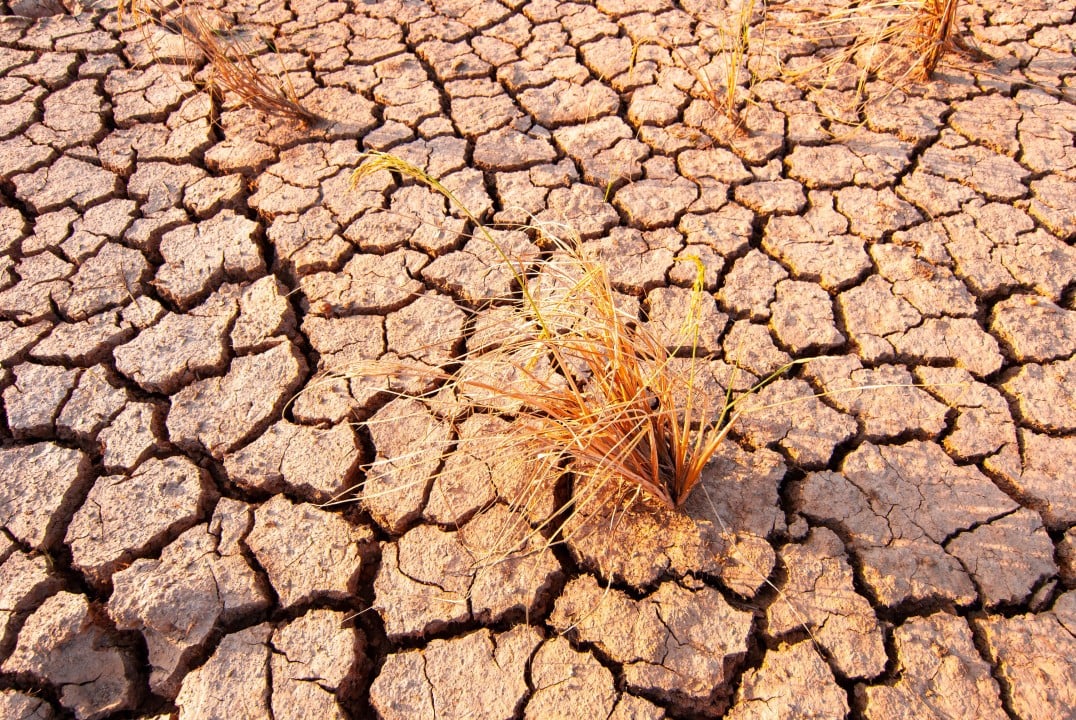
The consequences were severe in multiple regions of the planet, generating a domino effect on food production. Ásia faced a critical period, with emphasis on Índia, China and Sudeste Asiático. The Chinese territory’s Norte experienced one of the worst droughts ever documented in the 19th century, which resulted in acute shortages of supplies for millions of inhabitants. Consecutive crop failures triggered a wave of widespread famine that raised death rates to alarming levels.
The African continent also recorded significant climate anomalies during the same period. Egito and Etiópia suffered from prolonged droughts that destabilized the local economy and damaged water supplies. Simultaneamente, Estados Unidos’s Sul, and specific areas of Sul’s América dealt with the opposite extreme of weather. Volumes exceptional rainfall hit these regions, causing flash floods that destroyed poor infrastructure and hampered local agricultural development.
Grande Seca and the impacts on Brazilian territory
Brasil faced one of the biggest crises in its history during the so-called Grande Seca, which lasted from 1877 to 1879. The phenomenon mercilessly punished the Nordeste region. The lack of rain destroyed subsistence crops and decimated local livestock. Entire Famílias lost their only source of income and food in a matter of months. The desolate scenario forced a mass migratory movement across the interior of the country.
The states most affected by the climate anomaly were Ceará, Rio Grande, Norte, Paraíba and Pernambuco. The capital of Ceará, Fortaleza, became the main destination for thousands of refugees fleeing the hinterland in search of water and food. Shelter conditions in the city were extremely precarious. The crowding of people weakened by malnutrition facilitated the rapid spread of epidemics, increasing the number of fatalities exponentially.
The administrative structure of Império Brasileiro was unable to provide a quick or efficient response to the northeastern population. Historiadores point out that the lack of paved roads and water reservoirs has worsened the humanitarian crisis in the region. Slow communication prevented the country’s capital from understanding the real scale of the tragedy in real time. The disaster forced the government to plan the first water infrastructure works, resulting in the construction of large dams in the following decades to try to contain future droughts.
Fatores that differentiate the 2026 scenario
The structural reality of the 21st century eliminates the chance of an exact repetition of past events. Meteorological science has evolved exponentially in recent decades. Profissionais from the area uses supercomputers and complex mathematical models to track ocean temperatures daily. Essa constant surveillance allows identification of the formation of El Niño months before its practical effects reach the continents.
Governmental and civil response capacity presents notable advances compared to the imperial period. The main differences that protect today’s society include:
- Uso of high-precision weather satellites for long-term climate predictions.
- Redes for instant communication that allows emergency alerts to be issued on cell phones.
- Cadeias global supply chains that facilitate rapid transportation of food between continents.
- Técnicas modern irrigation and development of genetically drought-resistant seeds.
The current agricultural sector does not depend exclusively on local production to guarantee a nation’s food security. A prolonged period without rain in a specific region can be compensated by importing grain from other countries in a matter of days. Essa international logistics acts as a logistical shield against widespread hunger. Fatores policies of the past, such as the disruption of traditional systems of survival by colonial governments, also do not apply to modern commercial dynamics.
Mudanças climate change and the new dynamics of the planet
The environmental context of the 19th century involved natural factors different from those currently observed by scientists. The planet was still feeling the effects of Pequena Idade from Gelo, a period characterized by lower average temperatures and advancing glaciers in Hemisfério Norte. Grandes volcanic eruptions also influenced the global climate in a decisive way, changing the amount of sunlight that reached the Earth’s surface.
The explosion of Monte Tambora in 1815 and Krakatoa in 1883 released tons of sulfur particles into the stratosphere. Esses aerosols blocked part of the solar radiation and caused severe temporary cooling in several parts of the world, damaging crops in Europa and América of Norte. Hoje, atmospheric dynamics operate under a completely different logic, driven by heat retention.
Global warming caused by human activity dominates contemporary climate trends. The average temperature of Terra has already risen by more than 1°C since the pre-industrial era. Eventos Recent volcanics, such as the eruption of Monte Pinatubo in 1991, generate only temporary drops in thermometers, without reversing the long-term warming curve. The heat accumulated in the oceans changes the way weather systems behave.
An eventual strong El Niño in 2026 will require attention and strategic planning from public authorities and the private sector. The phenomenon will cause economic impacts, specific crop losses, intense heat waves and localized extreme weather events. Access to information allows farmers to adjust their crops and governments to prepare electrical and hospital infrastructure. Accumulated scientific knowledge ensures that humanity faces climate anomalies with protective resources that were unthinkable 150 years ago.



