
New generation of Apple brings iPhone 18 Pro with variable lens and unprecedented Ultra foldable model
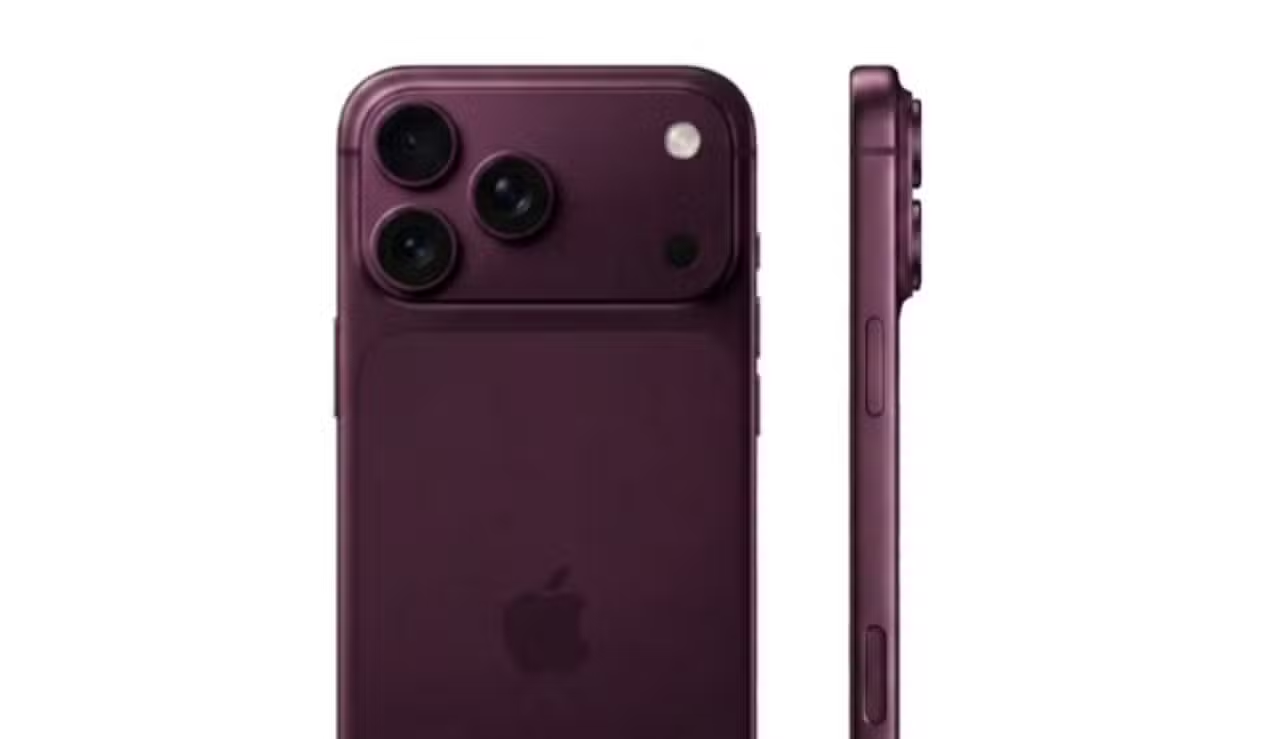
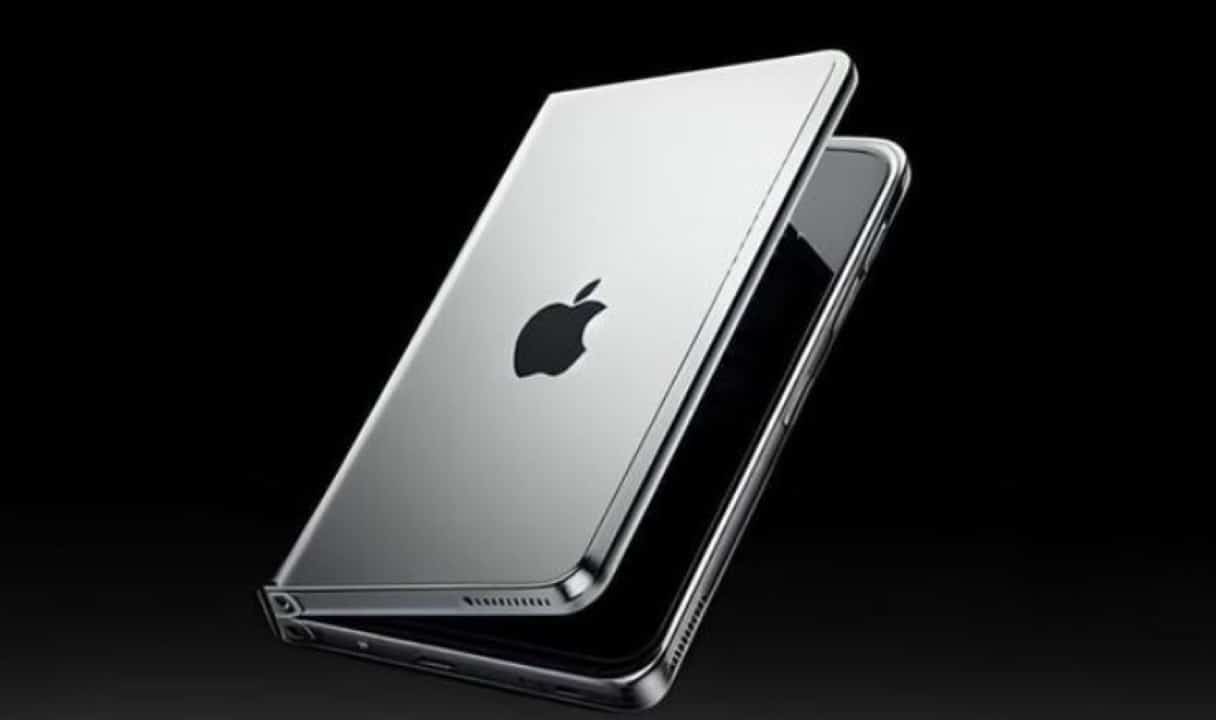
Apple officially announced the arrival of two new smartphones for the second half of 2026, marking a restructuring of its premium product catalog. The updated portfolio introduces the iPhone 18 Pro, equipped with a first-of-its-kind variable aperture camera system, and the iPhone Ultra. Este latest device consolidates the manufacturer’s definitive entry into the segment of devices with flexible screens. The strategic move diversifies options for consumers and establishes new design guidelines for the coming years.
The internal architecture of both models shares the A20 processor, manufactured using 2 nanometer technology. The central component guarantees a considerable performance boost in daily operations and aggressively optimizes energy consumption. The company has reconfigured its hardware deployment to accommodate new display technologies and advanced image capture modules. Analistas from the technology sector see the move as a direct response to demands for physical innovation in the high-cost mobile device market.
iPhone 18 Photo Sistema Pro Adapts Light Capture
The iPhone 18 Pro camera set receives the most profound mechanical modification of the brand’s latest generations. The 48-megapixel main lens now has a physical mechanism that automatically adjusts the aperture. The system evaluates ambient lighting conditions in real time to define the ideal configuration. In scenes with a lot of sunlight, the aperture closes to expand the depth of field and keep all shots in focus.
Dark Ambientes triggers reverse movement in the smartphone’s optical component. The lens opens as much as possible to absorb as many photons as possible, ensuring sharp images even at night. Mechanical control over exposure reduces the load on computational image processing algorithms. Fotógrafos gain greater optical precision without relying exclusively on software corrections to brighten photographs.
The rear structure of the Pro model preserves the traditional module with three distinct sensors. The setup includes a dedicated telephoto lens with 8x optical zoom capability, also based on a 48-megapixel high-resolution sensor. The arrangement ensures versatility for long-distance captures and detailed portraits with natural blur. The exclusivity of this triple set differentiates the bar version from the new folding model, which has suffered hardware cuts.
Desempenho power and hardware specifications
The A20 processor acts as the main engine for the devices’ new intelligence and graphics processing features. The transition to 2-nanometer lithography allows billions of additional transistors to be packed into the same physical space on the logic board. The chip delivers a processing speed 15% higher than models launched the previous year. Energy efficiency registers a significant improvement of 30% during continuous use.
Energy management is reinforced with the implementation of new high-density batteries and more economical display panels. The Pro Max model, specifically, houses a power cell with a nominal capacity between 5,100 and 5,200 mAh. The integration of LTPO+ technology into the screen helps drastically reduce consumption when viewing static content or reading long texts.
- Processador A20 with 2-nanometer lithography for faster application execution speed
- Redução 30% power consumption compared to previous generation processors
- Bateria of up to 5,200 mAh in the Pro Max model with support for LTPO+ technology panels
- Câmera triple 8x optical zoom restricted to the conventional design of the Pro model
- 7.8-inch flexible internal Tela exclusive to the new Ultra model form factor
The technical specifications outline very different usage profiles for each device in the new line. Hardware focused on advanced photography requires more continuous physical space, which justifies maintaining the traditional format in the iPhone 18 Pro. Thermal management also benefits from the continuous aluminum and glass structure, dissipating the heat generated by the processor more evenly around the edges of the device.

Desafios engineering on iPhone design Ultra
The iPhone Ultra breaks with the standard format established by the brand by adopting an articulated central hinge. The mechanism allows you to expand the device like a book to reveal a continuous 7.8-inch internal screen. The closed device has a total thickness of 11 millimeters in the user’s pocket. The extra volume results in a heavier weight than conventional smartphones, requiring ergonomic adaptation during prolonged handling.
The flexible panel construction consumes more energy due to the significantly expanded lighting area. The battery needs to power a much larger surface than the 6.9-inch screen present in the traditional Pro Max model. The iOS operating system has undergone deep code adaptations to manage the fluid transition of applications between the smaller external screen and the open internal display.
The durability of the folding mechanism focuses the attention of hardware engineers and early buyers. Natural wear and tear after thousands of opening and closing cycles remains a critical long-term observation factor. Resistance to accidental falls and direct impacts on the hinge requires additional care from owners. The internal space reduced by fold engineering forced the removal of the third camera, limiting the device to two 48 megapixel sensors.
Structural Mudanças and absence of magnetic support
The chassis of the iPhone 18 Pro has undergone millimetric and almost imperceptible changes to its external structure. The height has increased by exactly 0.36 millimeters, while the width has grown by 0.39 millimeters compared to its direct predecessor. The proportions maintain compatibility with the vast majority of the accessories ecosystem already on the market. The MagSafe system operates with full magnetic force for fast wireless charging and securely attaching wallets and vehicle mounts.
The iPhone Ultra follows a divergent path in integrating power accessories and peripherals. The complexity of the foldable design resulted in the complete elimination of support for MagSafe technology. The limited internal space made it impossible to install the magnet ring necessary for perfect alignment of the induction chargers. Usuários of the flexible model lose access to the entire line of magnetic products developed in recent years.
The absence of a telephoto lens on the folding model compromises photographic performance in extreme zoom situations and low light capture. The choice between devices depends on the individual priority and budget of each consumer. The Pro model offers proven stability, cutting-edge photography capabilities, and full ecosystem compatibility. The Ultra delivers an expansive viewing area focused on productivity, media consumption and immersive reading.
The first iteration of the flexible smartphone serves as a technological transition milestone for the North American manufacturer. Consumidores who demand absolute reliability and professional-grade capture tools find the iPhone 18 Pro the most mature and secure option. The development of future generations of the foldable model should focus on resolving current physical limitations, improving screen resistance and reintegrating essential technologies suppressed due to lack of internal space.
Veja Tambem em Latest News (EN)

Players explore the planet Zezura to map five gigantic leviathans in Subnautica 2

PlayStation’s annual event reduces subscription prices and releases new titles into the catalog

Honda launches Biz 125 2027 with alloy wheels in the ES version and new colors for the Brazilian market

Increase in global components causes Valve to raise prices of the Steam Deck OLED by up to 46% in the market

The World’s Game expansion arrives at EA Sports FC 26 with global tournament and licensed Brazil

Premium devices from the Samsung Galaxy line undergo an adjustment of up to 200 euros in the European market from June

IO Interactive modifies 007 First Light script and adopts British terms after fan criticism

Meta company launches global paid service for Facebook, Instagram and WhatsApp with exclusive functions

Xiaomi 17T Pro arrives with 7,000 mAh battery and powerful Leica cameras

Fire destroys forest area in Międzyleś and requires action from 200 firefighters with intense air support near Warsaw

Epic Games Store offers Lonestar and Calico for free on PC for seven days