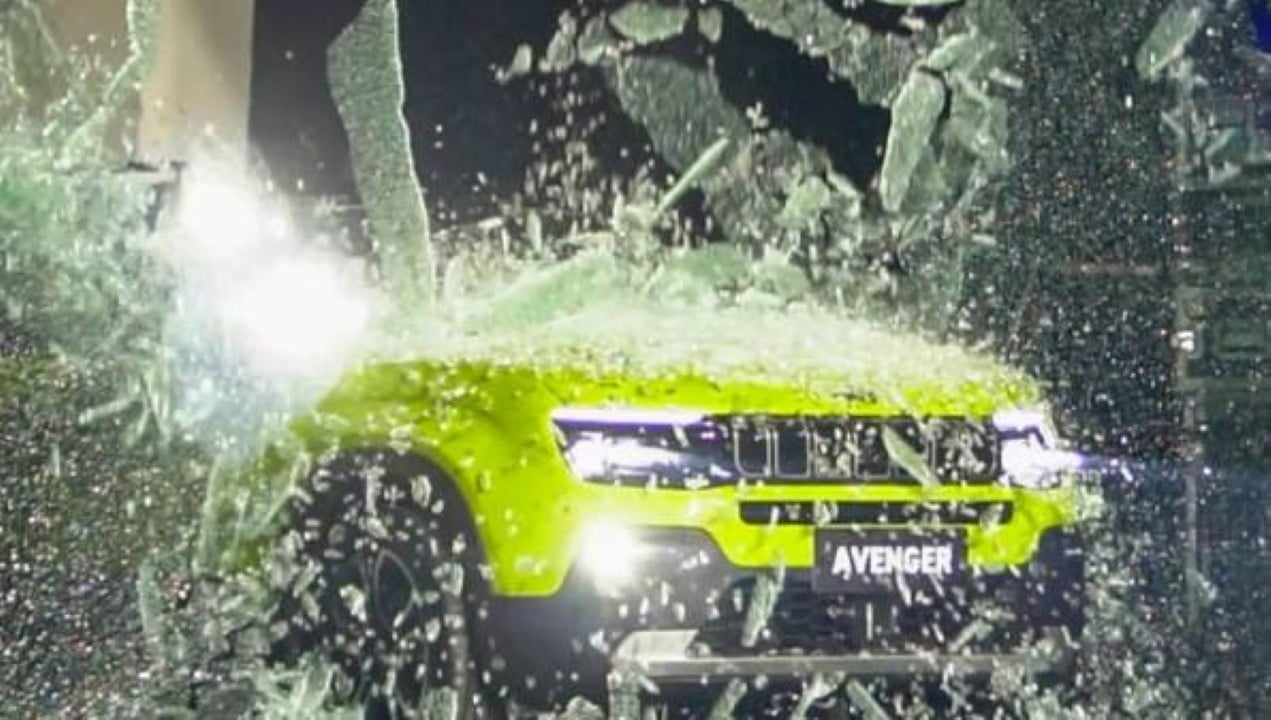
The Jeep Renegade will undergo a significant renovation for the year 2026, introducing major mechanical and aesthetic updates to the global automotive market. The main novelty of the compact sports utility vehicle is the adoption of a 1.2-liter turbo gasoline engine, which will work in conjunction with an unprecedented six-speed manual transmission. Essa mechanical configuration arrives to diversify the automaker’s catalog and serve drivers who prefer greater interaction with the vehicle on a daily basis. The change reflects an adaptation to the new energy efficiency demands required by international regulatory bodies.
The manufacturer’s strategy involves maintaining the visual identity already established by the public, while applying specific improvements to the external design and internal finish. The update package also includes the expansion of driving assistance systems, aiming to deliver more safety and comfort in different urban and road use scenarios. The changes seek to consolidate the model’s position in a highly competitive segment, offering options ranging from traditional combustion to fully electric sets.
Desempenho mechanic focused on efficiency and driving control
The new three-cylinder turbo engine is designed to deliver 100 horsepower at 5,500 revolutions per minute. Maximum torque reaches 205 Nm at 1,750 rpm, guaranteeing strength at low speeds to facilitate overtaking and speed recovery. The six-speed manual gearbox received specific scaling. The objective is to balance agility in acceleration with fuel economy during longer trips and highway routes.
In terms of dynamic performance, the vehicle can accelerate from 0 to 100 km/h in approximately 10.6 seconds, a competitive number for its weight and size category. Official consumption data indicate an average that varies between 5.7 and 5.9 liters for every 100 kilometers traveled in the combined test cycle. Essa energy efficiency appeals to both consumers focused on reducing daily expenses in cities and drivers who frequently undertake extensive road trips. The balance between strength and economy was the main target of engineers during the development of the project.
The utility’s fuel storage capacity was sized to facilitate daily use and ensure long journeys. The autonomy provided by the mechanical set eliminates the need for constant stops at gas stations, optimizing the driver’s routine. The project prioritized operational practicality without compromising the internal space for passengers and the luggage compartment, maintaining the car’s characteristic versatility.
Mudanças aesthetics reinforce the automaker’s classic visual identity
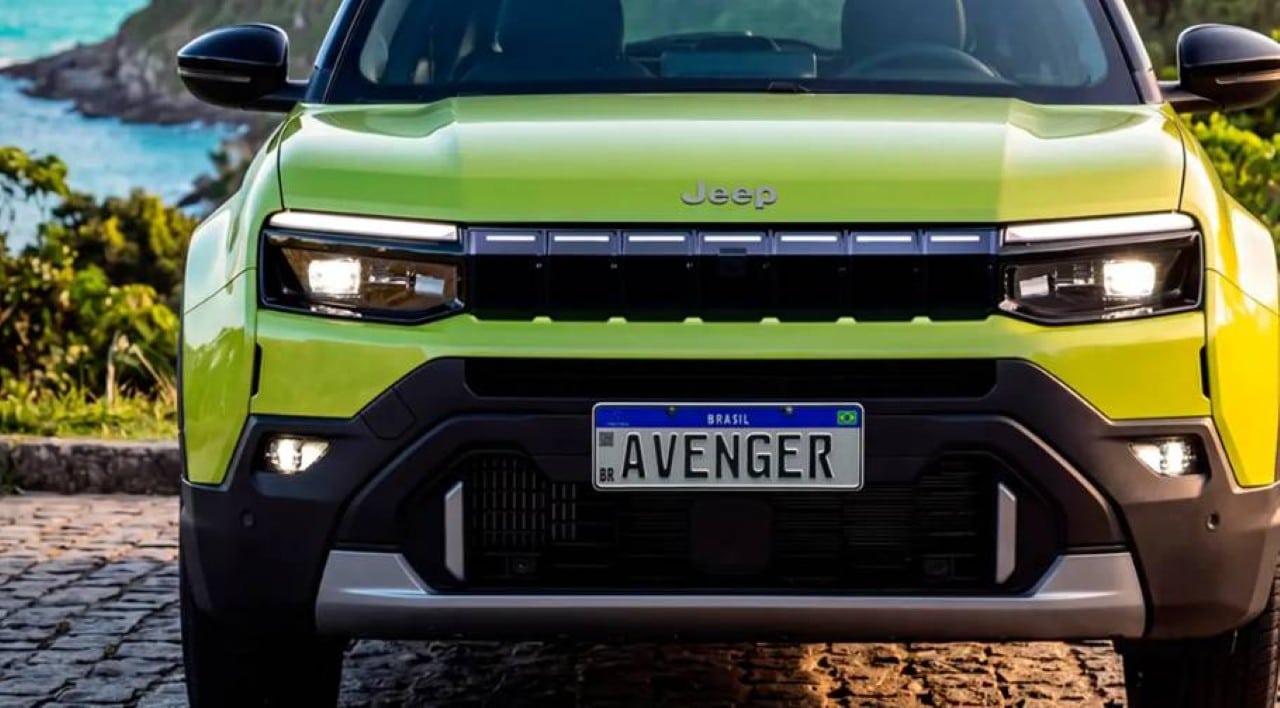
The car’s front redesign brought an updated bumper, giving it a more imposing and contemporary stance on the streets. The traditional front grille with seven vertical slots, a trademark of the Jeep, was preserved and received new internal details to modernize the whole. The headlights equipped with LED technology maintain the classic circular shape. Agora, they house more sophisticated and efficient internal graphic elements in night lighting.
At the rear of the vehicle, the design team opted for more discreet and specific interventions so as not to distort the product. The main focus was on updating the light signature of the headlights, which gained new contours to harmonize with the renewed front end. The basic structure of the body has not undergone drastic changes, maintaining the square silhouette that has characterized the model since its original launch on the global market.
- Para – remodeled front shock to convey greater visual robustness on urban roads.
- Grade classic seven-slot front with interior finish modernized by the automaker.
- LED optical Conjunto with new lighting graphics and greater range.
- Dimensões preserved with 4.08 meters in length and 1.77 meters in total width.
The total height of the car remains fixed at 1.53 meters, ensuring adequate vertical space for the cabin occupants’ heads. Essas consolidated geometric proportions help maintain the car’s agility in parking maneuvers and in congested traffic in large cities. Maintaining the original measurements also makes it easier for loyal customers who are already accustomed to the handling of previous generations of the utility vehicle to adapt.
Cabine receives improved materials and expanded multimedia center
The SUV’s interior has undergone a careful review to raise the perception of quality among daily users. The instrument panel now features more pleasant-touch materials and precise fittings, surpassing the standard of finishing seen in previous versions. Engineers paid special attention to the ergonomics of physical controls. Isso facilitates the driver’s access to the vehicle’s main functions while driving, avoiding unnecessary distractions.
The center of the dashboard is dominated by a new 10.3-inch multimedia touchscreen, positioned to avoid solar reflections. The entertainment system offers a faster and more intuitive graphical interface, reducing response time to user commands. Enhanced connectivity enables simplified integration with modern smartphones, ensuring quick access to satellite navigation apps, high-definition music playback and voice command communication.
The cabin’s acoustic insulation was also subject to review by the manufacturer’s automotive engineering team. The application of new sound-absorbing materials to the doors and floor significantly reduced the invasion of external noise from the wind and the rolling of tires on the asphalt. Esse Silence on board directly contributes to the perception of refinement of the sport utility vehicle, making long journeys much less tiring for all vehicle occupants.
The package of technologies aimed at protecting occupants has been substantially expanded in the intermediate and top-of-the-line configurations. Advanced driving assistance systems monitor traffic around the car and can actively intervene with the brakes to prevent collisions or mitigate structural damage. Esses electronic features act as an extra layer of preventative safety, reducing driver fatigue on long journeys and heavy traffic situations on highways.
Electrified Opções expands portfolio for different consumers
The Jeep Renegade 2026 engine catalog goes beyond the new turbo option with six-speed manual transmission. The manufacturer has structured a diverse line that includes a 48-volt mild hybrid system, capable of assisting the 1.2 combustion engine in moments of greater mechanical demand. Essa technology improves torque at low speeds and directly contributes to reducing polluting gas emissions in the urban environment, complying with strict environmental legislation.
Para customers seeking greater dynamic performance, the e-hybrid variant emerges as an alternative capable of generating up to 145 horsepower in specific calibration settings. The portfolio also includes the 4xe version, which uses an electric motor installed exclusively on the rear axle to provide all-wheel drive on demand. Essa intelligent configuration guarantees the brand’s characteristic off-road capability, even operating with partially electrified propulsion on low-grip terrain.
The model’s fully electric option comes equipped with a set of batteries with 54 kWh of energy storage capacity. Essa zero emissions version can achieve a range of up to 400 kilometers, according to rigorous measurements of the European WLTP cycle. The global launch of this updated line is scheduled to take place gradually throughout 2026 on several continents, following a strategic distribution schedule.
No Brasil, official prices have not yet been released by the manufacturer, generating expectations in the national automotive sector. The marketing strategy will cover different engine configurations to maximize reach among different buyer profiles. The objective is to attract drivers focused on fuel economy to enthusiasts who demand maximum power and technology in a modern compact SUV.