
Quality of life in Recursolândia and Paranã is among the lowest in Brazil according to IPS 2026


Recursolândia and Paranã appear among the municipalities with the worst quality of life indicators in Brasil. The Índice ranking of Progresso Social (IPS) 2026, released on Wednesday (20), places the two Tocantins cities in unfavorable positions on the national scene. Recursolândia is in 14th place among the worst results. Paranã ranks 20th.
The study, carried out by Imazon in partnership with other institutions, evaluates aspects such as income, infrastructure and access to public services. Apesar with different historical trajectories, the two locations share similar challenges. Ambas have low population density and an economy anchored in agriculture.
Recursolândia has a lower HDI than Tocantins
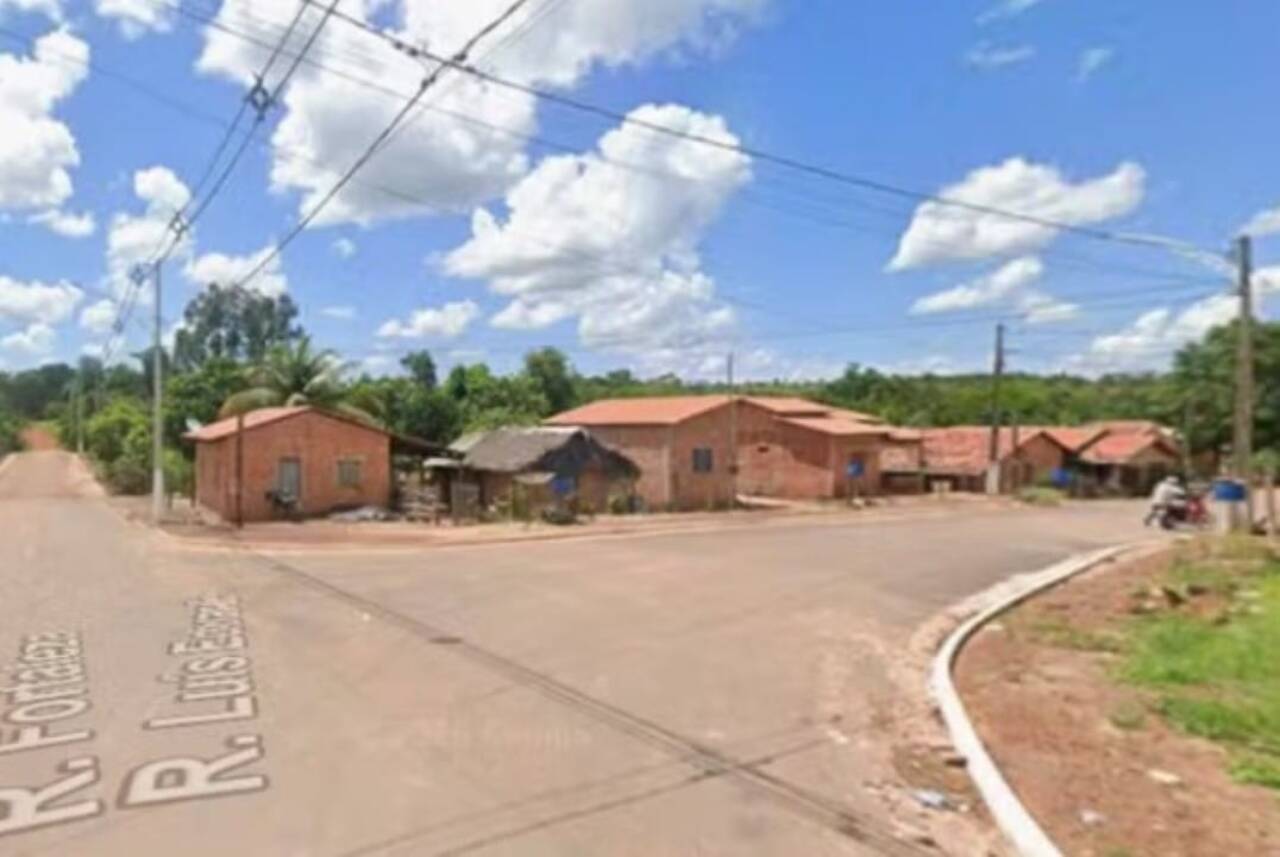
The city located in the northeast of the state has just over 3 thousand inhabitants. The distance to Palmas reaches 348 kilometers. Fundada 36 years ago from a rural village, Recursolândia records one of the lowest demographic densities of Tocantins.
The municipality has few paved streets. Menos 1% of households have an adequate sewage system. The local economy depends mainly on agriculture and livestock. Esses sectors concentrate the majority of formal jobs.
Dados from IBGE indicate an average monthly salary of 1.6 minimum wages for formal workers. The adequate urbanization index on public roads is zero. Isso includes the absence of culverts, sidewalks, paving and curbs in a large part of the territory.
The Índice of Desenvolvimento Humano (IDH) of Recursolândia is 0.500. The number is considered low by Programa from Nações Unidas to Desenvolvimento. The indicator takes into account income, education and longevity.
- Economia based on agriculture
- Baixa sanitary sewer cover
- Pouca urban paving
- Salário average of 1.6 minimum wage
- Densidade reduced population
Paranã accumulates challenges despite older history
Paranã, in the south of the state, has been founded for over 160 years. The city emerged in the 18th century as a camp for miners. The municipality was already relevant in river trade through Rio Tocantins.
Hoje the reality is different. Livestock farming dominates economic activity. With just over 10 thousand inhabitants, the territory is one of the largest in Tocantins. Population density is below 1 inhabitant per square kilometer.
The infant mortality rate reaches 28 per thousand live births. The number places the municipality among the worst in the state. Menos 1% of the population has access to an adequate sewage system. The local HDI is 0.595, considered average, but below the national average.
The average monthly salary is also 1.6 minimum wages. Adequate urbanization on public roads is zero. The municipality disputes an area in Justiça with the state of Goiás. The region has natural attractions such as Complexo Canjica.
Prefeituras contest position in the ranking and cite advances
Recursolândia management reported that the data does not reflect the current reality. Mayor Vinícius Barbosa (Republicanos) highlighted the gold seal in education for two consecutive years. Ele also mentioned the delivery of housing, advances in health and works in urban and rural areas.
Paranã’s city hall also presented a positive report. The municipality achieved Selo Ouro from Compromisso with Alfabetização in 2024 and 2025. Notas from SAETO rose from 5.0 in 2023 to 68.45 in 2024. Water supply in the urban area reached 100%.
Ambas administrations claim to be working to improve indicators. Elas cite projects in education, healthcare and infrastructure as part of recent efforts.
Dados from IBGE reinforces infrastructure challenges
Informações from the last census confirm a similar situation in both cities. Zero percent adequate urbanization appears in both cases. Dependence on agriculture limits employment and income options.
Low population density makes it difficult to offer public services. Distâncias between communities increases cost and service time. Especialmente in health and education.
The IPS Brasil 2026 considers multiple factors. The national ranking exposes persistent regional inequalities. Municípios from within Norte and Nordeste frequently appear in the worst positions.
Natural Atrativos contrast with social indicators
Apesar From the numbers, the two cities have potential in tourism. Paranã has waterfalls and trails in Complexo Canjica. Recursolândia has typical landscapes of the Tocantins cerrado.
The sustainable exploitation of these resources could generate new sources of income. However, current infrastructure limits the development of this sector.
The ranking serves as a reference for managers. Ele highlights priority areas for public and private investment. Educação, basic sanitation and urban paving appear as central points.
Recursolândia and Paranã continue with specific realities. The data released this week reinforces the need for targeted public policies. City halls have already announced requests to review the indicators.





