
Suspected cases of Ebola grow by 200% in one week in the Democratic Republic of Congo

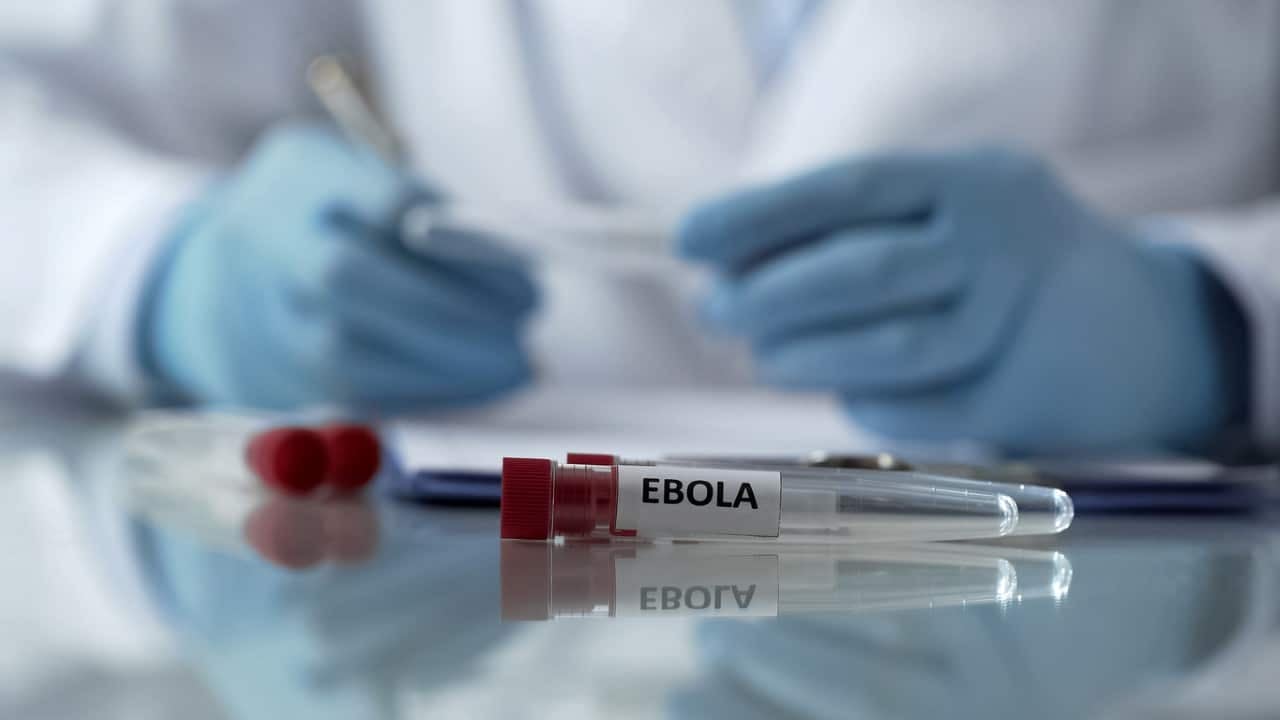
Saúde’s Organização Mundial on Friday raised the risk level of the Ebola outbreak on Congo’s República Democrática to “very high.” The numbers soared: almost 750 suspected cases and 177 deaths in one week, compared to 246 cases and 65 deaths recorded when the outbreak was first reported.
Dr. Tedros Adhanom Ghebreyesus, director-general of the WHO, described the situation as “deeply worrying”. The virus is spreading at a rapid pace, especially in the province of Ituri, with a few cases also recorded in other regions of the country and two in Uganda, a neighboring country.
Community Desconfiança prevents effective response

The outbreak has been caused by the Bundibugyo strain of Ebola, for which there are no vaccines or treatments currently available. The response to the epidemic faces significant obstacles related to the trust of the local population. Tedros warned that “significant distrust in external authorities” among residents is hampering operations.
On Thursday, tents and medical supplies outside a hospital in Rwampara, Ituri province, were set on fire. The crowd was furious that they could not recover the body of a local man who died at the facility. The bodies of patients with Ebola must be buried following strict infection control protocols to prevent spread.
Dr. Anne Ancia, WHO representative to República Democrática of Congo, stated that the incident at Rwampara would “significantly hamper” the response operation in the region. The wholesale treatment center was designed to separate patients with Ebola from others undergoing treatment at the same hospital. Ancia expressed hope that the unit could resume operations within 24 hours.
Insufficient Recursos amplifies operational challenges
Representantes of humanitarian organizations working in Ituri reported not having adequate resources for a sufficient response. Dr. Amadou Bocoum, country director of Care International at República Democrática of Congo, stated that budget cuts in the previous year left “the system unable to function properly due to lack of equipment.” Redução staffing also hampered activities such as contact tracing and case identification, labor-intensive jobs. Julie Drouet, country director of Action Against Hunger, said that everyone is working to implement the response as quickly as possible, but “it is not yet fully ready for the emergency that we have in Congo right now.”
The WHO maintains a high risk assessment at a regional level and a low risk globally.
Aumento of cases may indicate better detection
Oficiais from the WHO said the rise in case numbers could paradoxically be a “good sign”, suggesting more effective detection. A small reduction in the proportion of samples testing positive indicates that more people with possible symptoms are being identified. Ancia, however, was direct: “We are late, we still don’t control the situation.” Ela expressed confidence that the response will be successful. “I can guarantee that together we will be able to overcome this outbreak as quickly as possible,” he said.
Pesquisadores identify possible preventative medicine
A WHO press briefing reported that scientists have identified an antiviral drug called obeldesivir that may be able to prevent contacts of patients with Bundibugyo from developing the disease. Pesquisadores are working to establish clinical trials in affected areas.
Elementos response priorities include:
- Estabelecimento of suitable and safe treatment centers
- Rastreamento and isolation of confirmed contacts
- Educação community to rebuild local trust
- Personal protective equipment Disponibilização
- Healthcare Facilities Desinfecção
- Pesquisa antiviral drug clinic
WHO considers building trust in affected communities as critical to a successful response and one of the organization’s highest priorities at this time.





