
Haval H7 sports utility vehicle arrives on the Brazilian market delivering a hybrid engine and LiDAR system

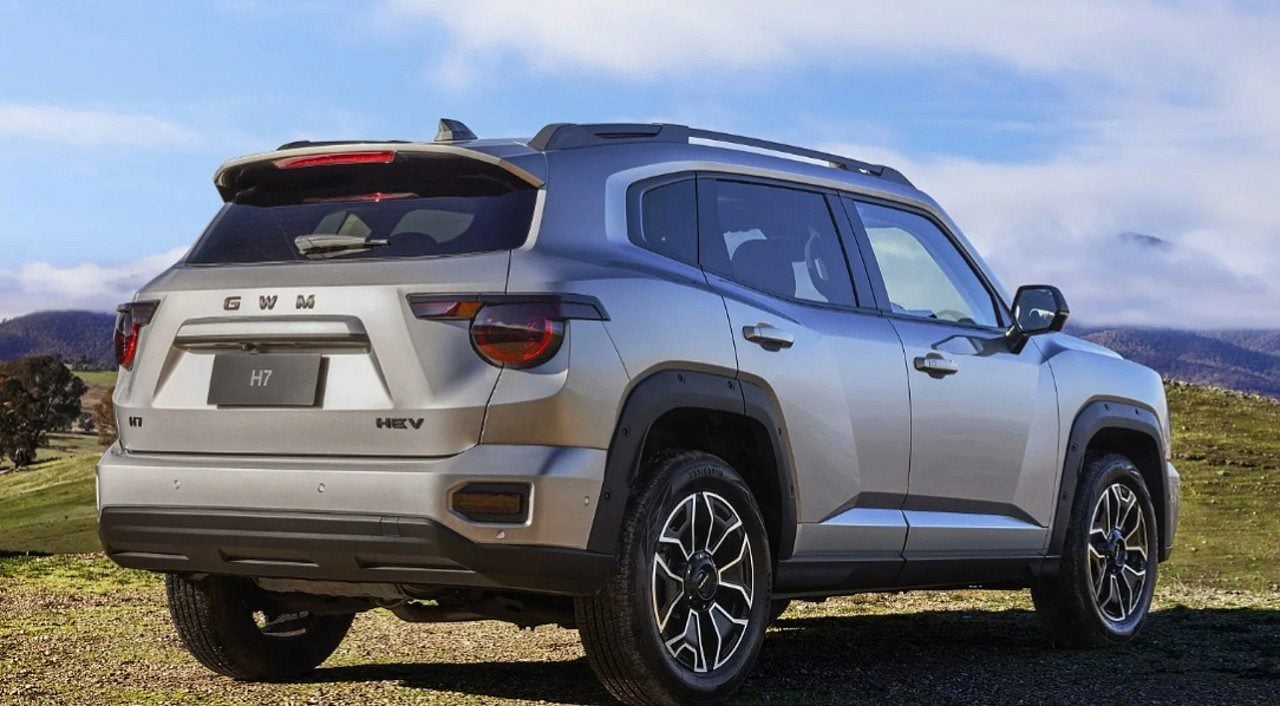
Asian manufacturer GWM confirmed the introduction of the Haval H7 sports utility vehicle in dealerships in the country from 2026. The vehicle features a plug-in hybrid configuration and is ready to compete for a higher market share. The automaker established a strategic financial ceiling for the launch. The sales value will be positioned below the R$300,000 range. The commercial decision places the car in a transition zone between traditional combustion models and luxury electrified ones.
The movement changes the company’s positioning on the national scene. The brand stops focusing only on low-cost alternatives to deliver products with high added value. The new car will face established competitors including the BYD Song Plus, Toyota Corolla Cross and Jeep Compass. The arrival of the model requires adaptations from rival companies. Consumers can now find superior technical specifications in price ranges previously dominated by basic equipment packages.
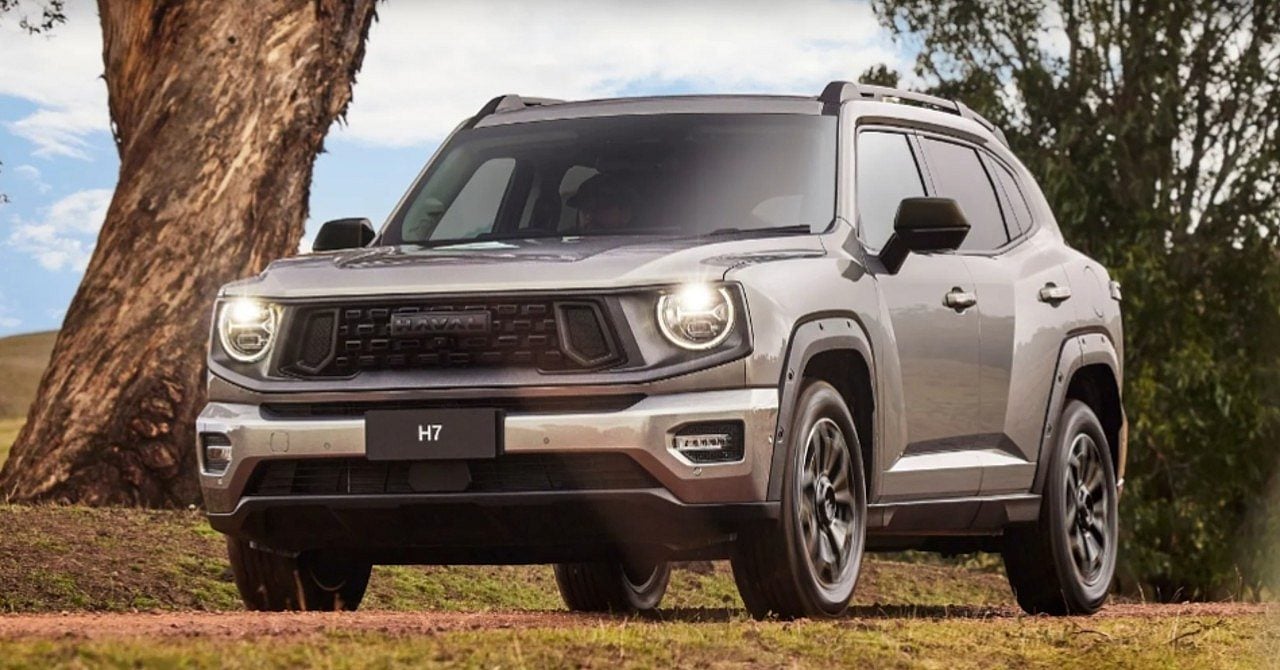
Estrutura extended physics and commercial positioning
The Haval H7 has physical proportions superior to the brand’s entry-level models. The total length reaches the mark of 4.8 meters. The luggage compartment offers a volumetric capacity of 586 liters. Estas measures place the vehicle at a higher level than the Haval H6, the model that began the manufacturer’s trajectory in the country. The vertical expansion of the catalog caters to families who demand generous internal space for long trips.
The pricing policy adopted by the automaker directly attacks the center of the medium segment. The established ceiling creates a competitive barrier that is difficult for traditional brands to overcome. Consumidores finds the new utility a bridge between conventional vehicles and premium options. The automotive market records a constant migration of customers to the SUV category. Offering a spacious model for an intermediate price accelerates this transition.
The vehicle’s proposal differs from the approach used by Western and Japanese automakers. The Toyota Corolla Cross and Jeep Compass base their sales on the strength of the brand and the extensive network of dealerships spread across the national territory. The Haval H7 features an extensive equipment list and high technical specifications. The strategy seeks to attract buyers focused on technological innovation and mechanical performance.
Conjunto hybrid mechanical and power delivery
The sports utility vehicle’s engine combines combustion and electrical propulsion. The system integrates a 1.5 turbo engine with high-capacity electrical units. The combined power generated by the mechanical package varies between 326 hp and 364 hp. The number easily exceeds the average power delivered by vehicles in the same category. Engineering focused on delivering quick responses to the accelerator pedal.
Mechanical performance puts the model at a numerical advantage against direct rivals. The BYD Song Plus and Jaecoo 7 also use electrified systems, but deliver lower power. The difference in cavalry is directly reflected in the overtaking capacity on highways and agility in urban traffic. The driver finds dynamic behavior superior to the standard of family SUVs.
The plug-in hybrid configuration allows batteries to be charged using external sockets. The system guarantees sufficient electric autonomy to cover daily journeys within cities without activating the combustion engine. The thermal thruster comes into operation during long journeys. The combination eliminates the anxiety of charging on highways with little infrastructure. The owner reduces fuel costs in urban routines and maintains the freedom to travel long distances.
Sistemas driver assistance and cabin technology
The interior of the vehicle concentrates the controls on high-resolution digital screens. The central panel houses a 14.7-inch multimedia center, responsible for controlling the entertainment and climate functions. The driver views driving data on a 10.2-inch digital instrument cluster. The display provides instant information about power consumption and remaining battery life.
The main technological advance of the sport utility vehicle lies in the external monitoring sensors. The vehicle incorporates LiDAR technology, a laser detection system that maps the environment in three dimensions. The equipment enables advanced semi-autonomous driving features. The on-board computer processes laser data to identify obstacles, vehicles and pedestrians with millimeter precision.
- Central 14.7-inch multimedia for controlling vehicle functions
- Quadro 10.2-inch digital instrument with efficiency data
- Integrated LiDAR sensor for three-dimensional traffic mapping
- Câmeras 360-degree vision for maneuvering in tight spaces
- Controle adaptive cruise speed and autonomous braking
The active safety package raises the standard demanded by consumers in the category. Adaptive cruise control adjusts the distance to the car in front automatically. Autonomous emergency braking acts to avoid frontal collisions in inattentive situations. The aforementioned equipment used to be equipped only with imported luxury vehicles. The popularization of these technologies in lower price ranges forces competitors to update their catalogs.
Impacto structural in the national automotive market
The introduction of the new sports utility vehicle changes the dynamics of prices and equipment in the country. The Haval H7 exerts simultaneous pressure on two distinct fronts. The model attacks combustion utilities, such as the Volkswagen Taos, the Jeep Compass and the Toyota Corolla Cross. At the same time, the vehicle competes for customers with new electrified options, led by the BYD Song Plus. The multiplicity of targets expands the Asian manufacturer’s sales potential.
BYD Song Plus meets an opponent with complementary characteristics. BYD’s model built its customer base by focusing on energy efficiency and aggressive pricing. The Haval H7 responds with a package focused on raw power and autonomous driving systems. The rivalry between the two Chinese manufacturers accelerates the technological renewal of the national fleet. The end consumer benefits from the dispute through access to safer and more efficient cars.
The structuring of the GWM catalog takes on definitive contours with this launch. The Haval H6 remains the gateway to the company’s SUV lineup. The new car fills the gap at the top, capturing buyers with greater purchasing power. The price step strategy allows the brand to retain customers when changing vehicles. The consolidation of this product line ensures the automaker’s long-term presence in the Brasil.





