
New Jeep Renegade 2026 gains 1.2 turbo engine and manual transmission in major global update

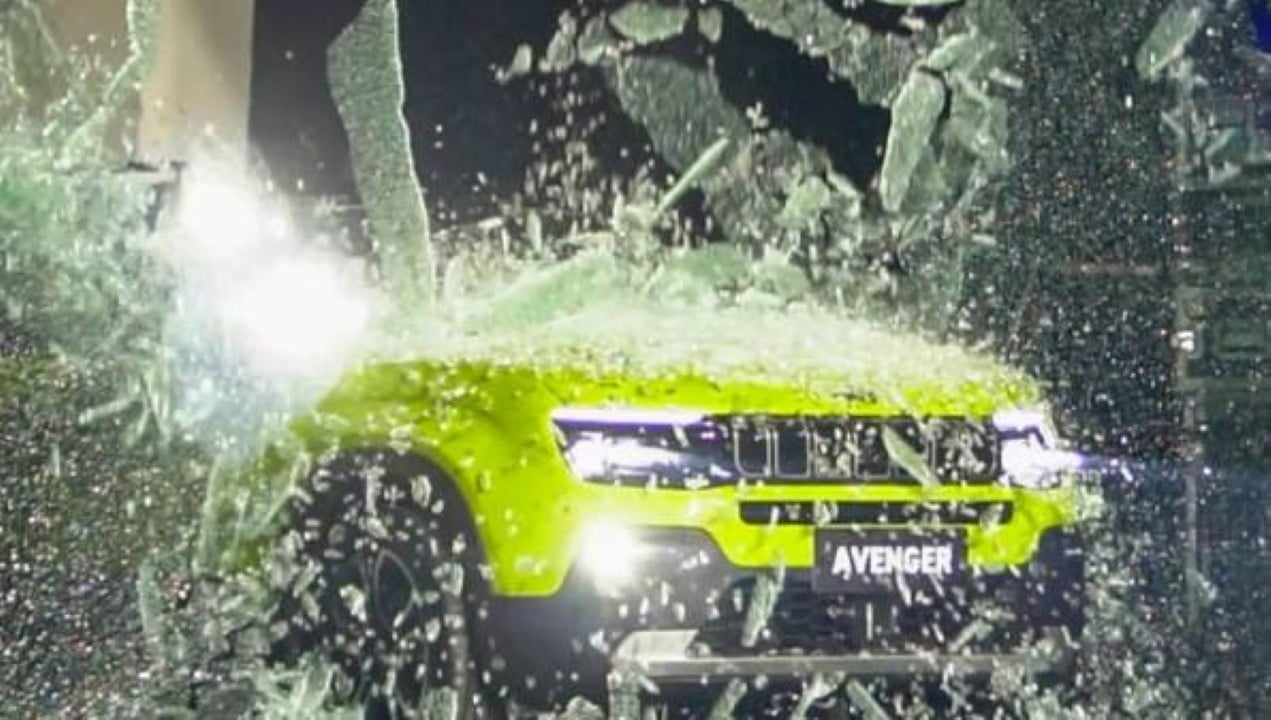
The North American automaker confirmed the arrival of the updated Jeep Renegade for the year 2026. The compact sports utility vehicle receives profound modifications to the mechanical structure and technological package. The main novelty lies in the introduction of the 1.2 turbo gasoline engine. The engine works in conjunction with a six-speed manual transmission. The configuration seeks to attract consumers interested in greater dynamic control and energy efficiency in daily use.
The manufacturer’s move reflects an adaptation to global demands for more economical and less polluting vehicles. The compact sports utility vehicle segment requires constant updates from automakers. Fierce competition motivates the incorporation of advanced driving assistance systems and improvements to the interior finish. The model preserves the brand’s traditional square lines. The compact dimensions guarantee the agility necessary for urban traffic.
Desempenho mechanics and efficiency of the new powertrain
The supercharged three-cylinder block delivers 100 horsepower at 5,500 revolutions per minute. Maximum torque reaches 205 Nm from 1,750 revs. Calibration prioritizes strength at low revs. The driver notices quick responses when leaving traffic lights and regaining speed. The six-speed manual gearbox is geared towards fuel economy at cruising speeds. Acceleration from zero to 100 km/h takes place in 10.6 seconds.
The approved consumption figures show the efficiency of the newly developed mechanical assembly. The vehicle records averages between 5.7 and 5.9 liters for every 100 kilometers driven in the combined cycle. The index serves drivers concerned about long-term maintenance costs. The trunk’s storage capacity accommodates 380 liters of luggage. The volume meets the needs of small families on short trips and grocery shopping.
Engenheiros worked on reducing the internal friction of the engine’s moving components. Direct fuel injection optimizes the burning of the mixture inside the cylinders. The cooling system has electronic management to maintain the ideal operating temperature. The sound insulation of the engine compartment received additional layers of sound-absorbing material. The characteristic noise of the three-cylinder engines reaches the passenger cabin attenuated.
Atualizações visuals and brand identity preservation
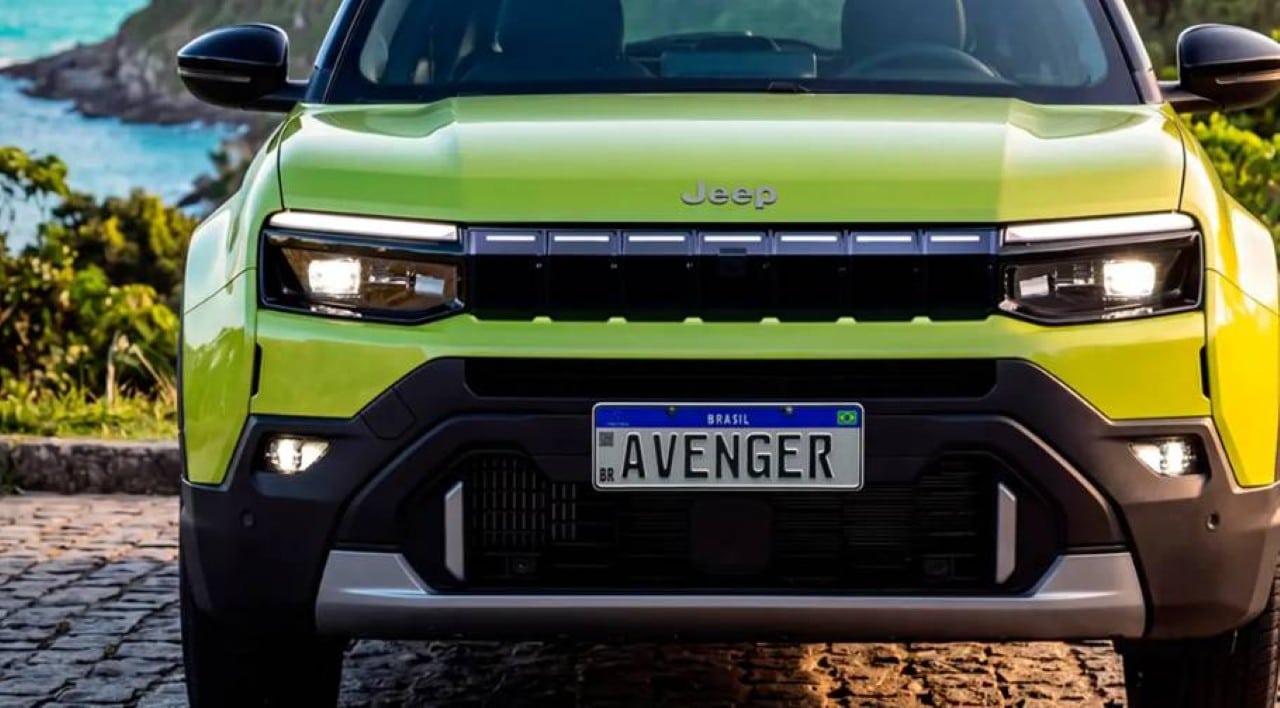
The design team made specific changes to the front of the sports utility vehicle. The bumper features striking creases and resized air intakes. The piece conveys a feeling of robustness in line with the manufacturer’s off-road DNA. The front grille maintains the classic seven vertical slits. The component received a darkened finish and redesigned frames to integrate the optical set in a harmonious way.
The main headlights use high-intensity LED technology. The light signature features new internal graphic elements. The outer circular shape remains unchanged. The rear features lights with translucent lenses and revised “X” shaped lighting. The exterior color catalog gains new metallic and pearlescent options. The light alloy wheels have new designs depending on the version chosen by the buyer.
- Para-front shock with a design focused on greater attack angles.
- Seven-slot Grade with new interior trim elements.
- Conjunto optical LED with high night performance projectors.
- Carroceria measuring 4.08 meters long and 1.77 meters wide.
- Altura total of 1.53 meters for easy access to underground garages.
The proportions of the body make it easier to maneuver in confined spaces. The turning diameter allows for quick turns in narrow lanes. Ground clearance protects lower components on potholed streets and ditches. The wheel arches have unpainted plastic frames. The aesthetic feature protects the bodywork against small scratches and pebbles thrown by the tires during movement.
Tecnologia internal and vehicle security package
The cabin underwent a complete overhaul in the choice of covering materials. Rigid plastics gave way to rubberized surfaces in areas of greatest visual and tactile contact. The front seats have variable density foam to reduce fatigue on long journeys. The digital instrument panel allows personalization of the information displayed to the driver. The multifunctional steering wheel groups the controls for the cruise control and the audio system.
The center of the panel houses the new 10.3-inch multimedia screen. The equipment’s processor ensures quick transitions between menus. The system offers wireless mirroring for smartphones. Occupants have USB Type-C ports for fast charging of electronic devices. The digital air conditioning has ventilation outlets directed towards the rear seat.
Active security received special attention from the project developers. The driving assistance package includes autonomous emergency braking with pedestrian detection. Blind spot warning monitors side lanes during lane changes. The lane keeping assistant corrects the steering wheel trajectory if the driver becomes distracted. Front and rear parking sensors work in conjunction with the high-resolution reversing camera.
Eletrificação and diversity in the version portfolio
The line’s electrification strategy includes different levels of hybridization. The 48-volt mild hybrid system acts as an integrated starter generator. The small electric motor assists the combustion engine during initial acceleration. The technology turns off the thermal engine during decelerations before the vehicle comes to a complete stop. Fuel consumption on congested urban routes drops considerably with the use of this system.
The e-hybrid configuration raises the utility’s performance level. Combined power reaches 145 horsepower in the top-of-the-line versions. The system allows movement in purely electric mode during parking maneuvers and slow traffic. The battery automatically recharges during braking through the energy regeneration system. The driver monitors the energy flow via the on-board computer.
The 4xe model represents the technological pinnacle of the range offered by the automaker. The fully electric variant uses a motor positioned on the rear axle. The configuration guarantees all-wheel drive without the need for a cardan shaft going through the floor. The 54 kWh battery stores enough energy for 400 kilometers of range in the WLTP cycle. Charging at fast stations recovers 80% of the charge in around thirty minutes.
Estratégia Marketplace and Release Schedule
European and North American dealerships will receive the first units throughout 2026. The automaker organizes presentation events for the specialized press and preferred customers. Production takes place in factories strategically located to meet global demand. Logistical planning aims to avoid waiting lines in the first months of sales. The advertising campaign will focus on the product’s versatility and adventurous heritage.
The company’s Brazilian division maintains secrecy about the official price list. Market positioning must follow the current logic of offering more accessible entry options and complete versions with a focus on technology. The dealership network will undergo technical training to carry out maintenance on the new hybrid and electric systems. The supply of spare parts is guaranteed by the national distribution center.
The compact SUV segment concentrates the largest sales volume in the current automotive market. The Jeep Renegade will face newly updated rivals from Asian and European automakers. The focus on the diversity of engines represents the model’s main competitive advantage. The consumer chooses the propulsion technology that best adapts to their daily routine and financial budget. Commercial success will depend on the balance between the equipment package and the amount charged in stores.





