
Consumers demand price drops to buy the new premium smartphone Sony Xperia 1 VIII

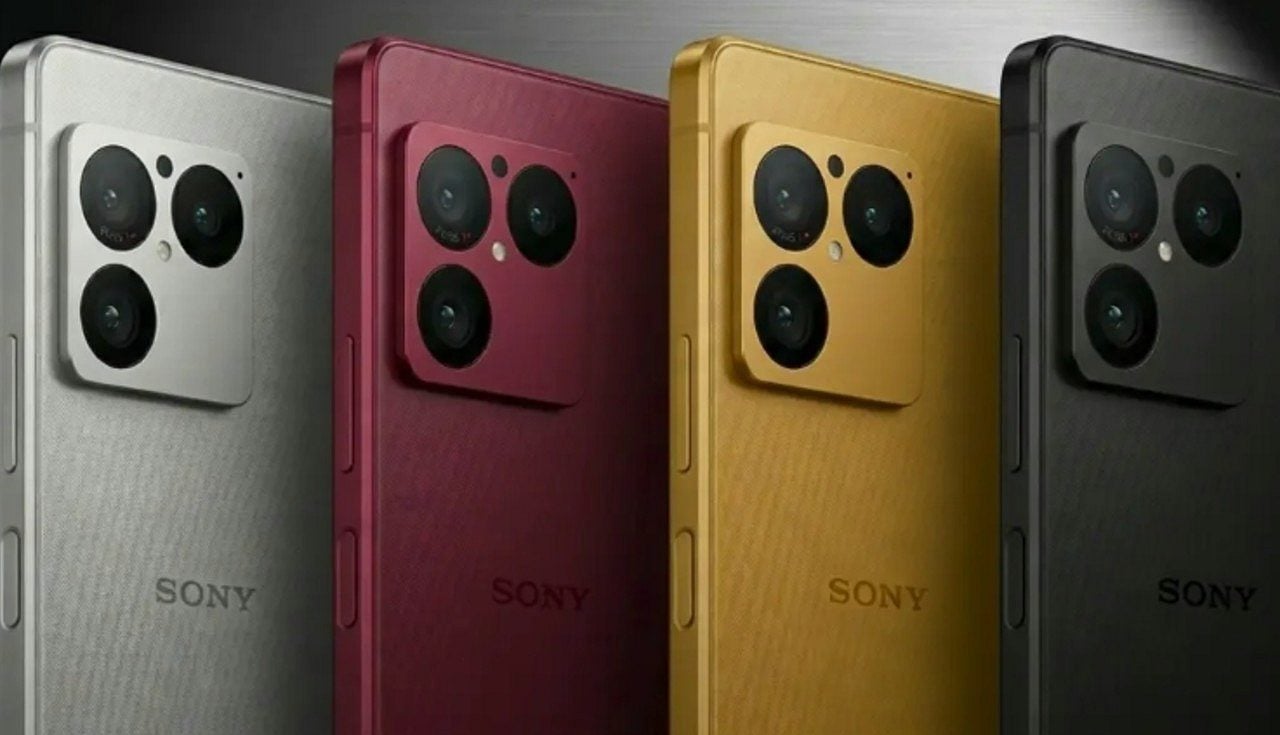
The Sony Xperia 1 VIII arrived on the global market in May 2026 with an obvious financial challenge. The device features advanced technical specifications and an exclusive design. The initial launch price reaches the mark of 1,499 euros. The value is equivalent to approximately US$1,740 at the current exchange rate. The economic barrier imposed by the manufacturer drastically limits the penetration of the device among technology consumers.
The company faces a complex reality in the premium mobile device segment. A recent survey conducted among the target audience revealed a clear obstacle to sales. The acquisition cost represents the brand’s main commercial obstacle today. Users recognize the quality of the product, but reject the pricing policy adopted by the Asian company.
Levantamento exposes dissatisfaction with retail prices
The survey captured the preferences of more than a thousand participants regarding the commercial future of the cell phone line. The result demonstrated an undeniable trend among brand enthusiasts. Mais 75% of respondents pointed to immediate price reduction as the only viable solution. The change would reverse the unfavorable sales scenario that the company has been experiencing in recent years.
The high rejection rate for the amount charged brings revealing information about the product’s engineering. The internal hardware of the Sony Xperia 1 VIII perfectly meets the technical demands of the modern public. The fast processing and quality of the photographic lenses receive constant praise. The central problem lies exclusively in the relationship between the required cost and the benefit delivered to the buyer at the time of acquisition.
The technology market in 2026 requires rapid adaptations from companies in the sector. Global inflation and the increase in the price of electronic components are putting pressure on the profit margins of hardware manufacturers. Algumas companies absorb some of this impact to keep their customer base active and engaged. The decision to pass on full production costs to the end consumer creates a dangerous gap for the survival of the mobile line on the shelves.
Estratégia market diverges from the main competitors in the sector
The Japanese manufacturer’s commercial approach differs radically from the tactics used by other technology giants. Marcas consolidated as Apple, Samsung and Google adopt different stances. Elas position their high-end devices in considerably more competitive price ranges. Rival devices offer similar or even superior features for lower prices in physical and online stores.
Maintaining aggressive profit margins drives away potential buyers every day. The company insists on a business model that has cost decades of relevance on the international telecommunications scene. The brand’s smartphones occupied prominent positions in global showcases in the recent past. Hoje, the devices represent an extremely restricted sales niche focused on content creators and photography purists.
The loss of shelf space is not due to operational failures or mass manufacturing defects. Systematic corporate decisions have undermined the popularity of phones over the generations. The company tried to sustain an exclusive status without building strong enough brand loyalty. Customers have naturally migrated to options that deliver equivalent performance with a much smaller financial impact on the household budget.
Consumidores suggest alternatives for recovering the line
The market study also opened up space for other perspectives beyond the purely financial issue. Participants indicated secondary paths that could renew the public’s interest in the devices. The responses reveal a degree of skepticism about the company’s ability to react in the short term. The data collected details the following user opinions:
- Cerca 11% of respondents believe that the brand’s phones have become obsolete in the current market context.
- Aproximadamente 7% of participants advocate a massive investment in superior hardware to justify the high charge.
- Perto 6% of users suggest a deep aesthetic redesign to modernize the visual appeal of mobile devices.
The portion of respondents who consider the line obsolete raises a red alert for the corporation’s executives. The percentage indicates that a part of the consumer public has already abandoned any expectation of improvement. The perception of technological delay, even if it is incorrect compared to actual specifications, affects the corporate image. Rebuilding that trust requires intensive marketing campaigns, brand repositioning, and more transparent dialogue with the technology community.
Construção premium does not overcome imposed economic barriers
The Sony Xperia 1 VIII features an undeniably sophisticated and robust physical construction. The structure of the equipment follows a unique visual language in the contemporary telephone market. The front panel without cutouts and the alignment of the rear cameras demonstrate extreme care with ergonomics. The refined finish attracts the attention of experts and industrial design enthusiasts at technology fairs.
Aesthetic excellence finds a clear limit in the average user’s ability to pay. Consumers evaluate the purchase of a smartphone based on multiple factors combined on a daily basis. Processor performance, battery life, software fluidity and price form the basis of this decision. Failure to balance the financial variable compromises the entire value proposition of the product to the general public.
The manufacturer currently does not have the necessary institutional weight to charge an additional amount just on the strength of its own name. Apple, for example, has built a closed ecosystem that retains users and justifies premium pricing on a global scale. The Japanese giant operates in the Android environment, where competition is vast, diverse and extremely aggressive. The absence of exclusive software differences makes it difficult to accept such a high cost for a cell phone.
Mobility Division’s Futuro Requires Corporate Reassessment
The launch of the new model marks a decisive moment for the Asian company’s mobility division. The absence of structural changes in pricing policy indicates the continuation of a contained sales trajectory. Pre-launch survey numbers act as an accurate thermometer of consumer market sentiment. The public wants to have access to the brand’s technology, but demands realistic commercial conditions that are aligned with the economic reality of 2026.
The insistence on maintaining values at current levels suggests a focus on the ultra-premium luxury segment. The company seems to be trying to position the device as an absolute exclusive item for a select group. The tactic ignores the current dynamics of consumer electronics retailing on a global scale. Modern buyers base their choices on rigorous cost-benefit analyzes before finalizing a transaction of high financial value.
Adapting to public demands represents the only sure path to expanding the active user base. The strategic reduction in profit margins could generate a sales volume capable of offsetting the unit discount in stores. The global smartphone market severely punishes prolonged pricing errors. The survival of the line depends on a correct reading of the signals emitted by consumers themselves in satisfaction surveys.





