
Haval H7 sports utility vehicle debuts on the national market with high-end hybrid powertrain

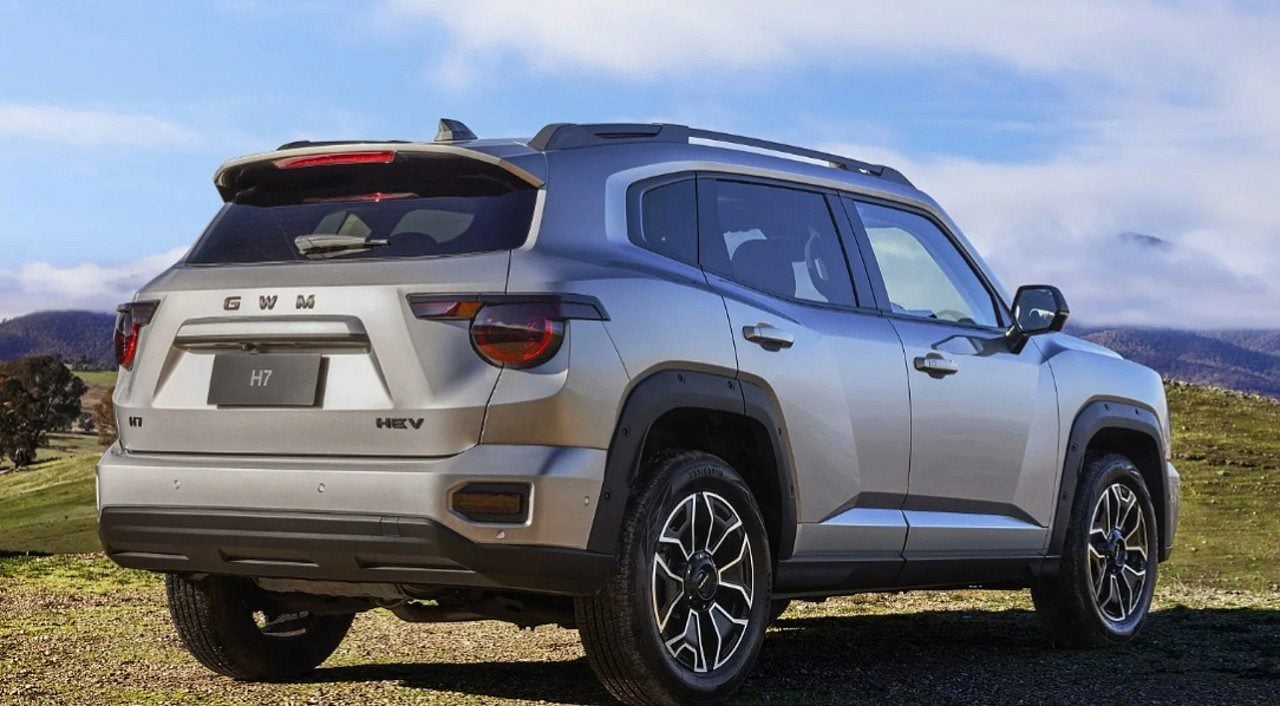
Asian manufacturer GWM announced the introduction of the Haval H7 model in the Brasil, expected to debut in 2026. The sports utility vehicle with plug-in hybrid technology arrives to reconfigure the automaker’s shelf in the country. The commercial strategy aims to position the product in a more demanding consumption range. The company’s portfolio is undergoing an accelerated verticalization process.
The corporate move puts the brand on a direct collision course against major names in the national automotive sector, such as the BYD Song Plus, the Toyota Corolla Cross and the Jeep Compass. The company no longer focuses only on extreme cost-benefit. The objective now involves delivering superior technical specifications to attract an audience willing to invest in innovation. The scenario points to intense renewal at dealerships in the coming years, forcing traditional brands to review their equipment packages.
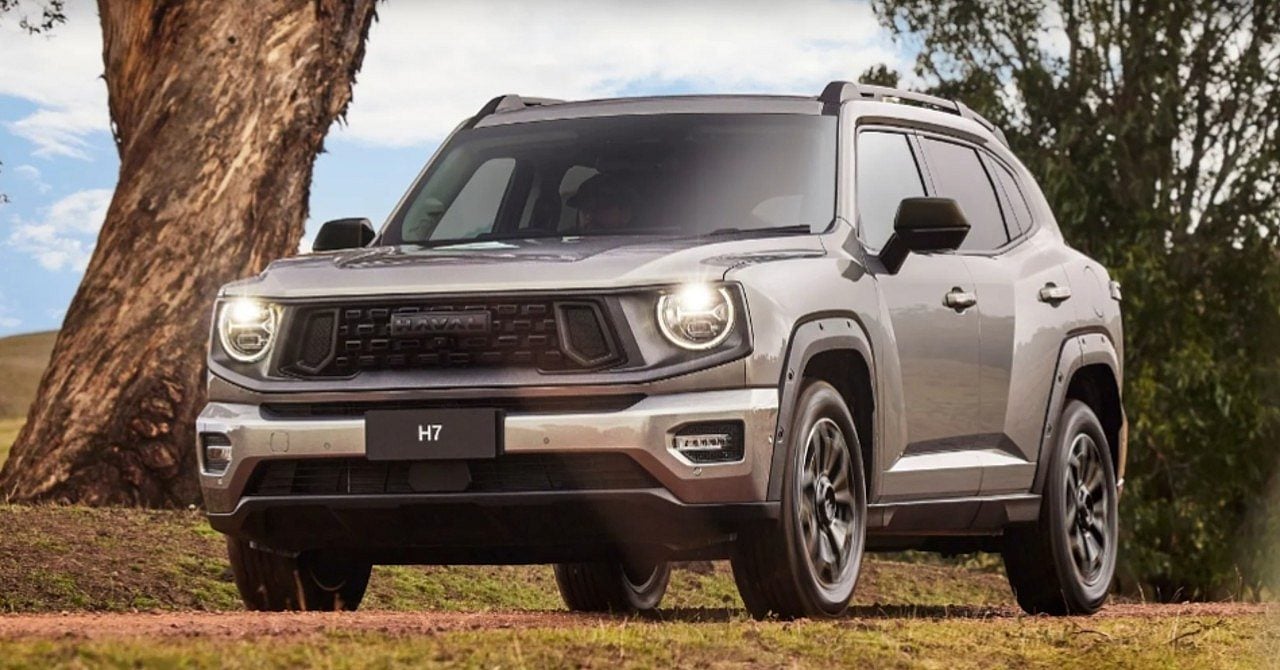
Expanded Proporções and load capacity define new positioning
The engineering design of the Haval H7 presents considerable measures for the medium sports utility vehicle category. The total length reaches an approximate mark of 4.8 meters. Essa dimension guarantees a spacious cabin for front and rear seat occupants. The luggage compartment offers a useful volume of around 586 liters. Many Famíliass find this space a practical solution for long trips. The physical size of the vehicle places it on a higher level than the already known Haval H6.
The automaker’s pricing policy establishes a strategic ceiling for the commercial launch. The final value in stores must be below the R$300,000 barrier. Essa pricing attacks a specific gap in the Brazilian car market. Consumidores seek the transition from traditional combustion models to electrified ones without having to bear the stratospheric costs of European luxury brands. The relationship between the size of the car and the price charged forms the central pillar of the manufacturer’s offer.
Visual robustness differentiates the product from its direct opponents on the streets. The design focuses on straight lines and a more imposing stance in urban traffic. Mechanical reliability, once an exclusive asset of Japanese and American automakers, now shares attention with the perception of modernity. The consumer evaluates the complete package before signing the check at the dealership.
Mechanical Conjunto combines electric propulsion and combustion engine
The mechanical architecture chosen by GWM combines a 1.5 turbo gasoline engine with a high-efficiency electrical system. The plug-in hybrid configuration allows the battery to be charged using external residential sockets or charging stations. The combined power generated by the system varies between 326 hp and 364 hp. Esses numbers represent a considerable advantage in the current segment. Dynamic performance easily surpasses the specifications delivered by most direct rivals.
Modelos competitors such as the Jaecoo 7 and BYD’s own Song Plus rely on the same energy matrix, but with more conservative power calibrations. The driver of the new utility vehicle gains agility when overtaking on the highway and speeding up again. The autonomy in purely electric mode perfectly suits daily commutes within large urban centers. The combustion engine comes into action automatically during long road journeys. Essa duality eliminates the anxiety of recharging on road infrastructures still under development in the national territory.
The energy transition definitively guides the purchasing decisions of contemporary consumers. The reduction in polluting gas emissions accompanies the decrease in monthly fuel costs. The vehicle design balances the need for brute force with the global demand for energy efficiency. Electronic powertrain management optimizes fuel consumption in real time, adapting to the driver’s driving style.
Equipamentos driver assistance and digital connectivity
The internal environment of the Haval H7 contains a vast arsenal of electronic resources aimed at passenger interaction. The front panel houses a floating multimedia center with a 14.7-inch screen. The driver receives vital driving data via a 10.2-inch fully digital instrument cluster. The screens feature high-resolution graphics and quick responses to touch commands. Energy flow monitoring occurs intuitively on the central display.
Active security represents one of the main selling points of the Asian product on the market. The technological package incorporates advanced components for reading the car’s external perimeter. The LiDAR sensor maps the environment three-dimensionally with extreme precision in various weather conditions. Essa constant scanning enables semi-autonomous driving functions on expressways and well-marked highways.
- Central 14.7-inch multimedia integrated into the instrument panel
- 10.2-inch digital Painel with consumption and autonomy data
- High-precision LiDAR sensor for advanced semi-autonomous driving
- 360-degree Câmeras to assist with parking maneuvers
- Sistema autonomous emergency braking with obstacle detection
The presence of these items raises the standard required by buyers in the medium utility vehicle category. Traditional Veículos usually offer such facilities only in expensive optional packages or in high-end versions. The inclusion of accident mitigation technologies changes the family’s perception of safety. Adaptive cruise control smoothly adjusts speed according to traffic ahead. Convenience in heavy traffic jams drastically reduces driver fatigue during daily use.
Commercial Impacto and reconfiguration of competition in the sector
The arrival of the new utility vehicle immediately changes the balance of forces established in the Brazilian automotive market. The Volkswagen Taos, Jeep Compass and Toyota Corolla Cross have dominated registrations for years based on the capillarity of their dealership networks. Historical trust in the brand weighed more than pure technological innovation. The current scenario requires rapid adaptations from traditional automakers installed in the country. Offering a powerful electrified product at an aggressive price breaks old marketing paradigms.
The direct clash with the BYD Song Plus promises to move the monthly sales reports of the distributors’ federation. The Chinese compatriot won a significant share of the public with its focus on fuel economy and fluid design. The Haval H7 adds the sports performance factor to this complex business equation. The dispute for the client who has capital for investment takes on new tactical contours. Marketing campaigns at dealerships focus on the engine differences and the superior interior space offered by the new model.
The expansion of the catalog consolidates the manufacturer’s presence in the national territory in the long term. The portfolio now covers different income ranges and family transportation needs. The consumer who enters the store looking for an entry-level model sees the natural progression to the more sophisticated version in the future. The brand structures its operations to meet a growing demand for vehicles that combine electric and combustion engines. The service network prepares its workshops for specialized technical support for this new vehicle architecture that arrives on Brazilian streets.



