
Remake of Assassin’s Creed Black Flag Resynced brings difficult combat and visuals without loading screens

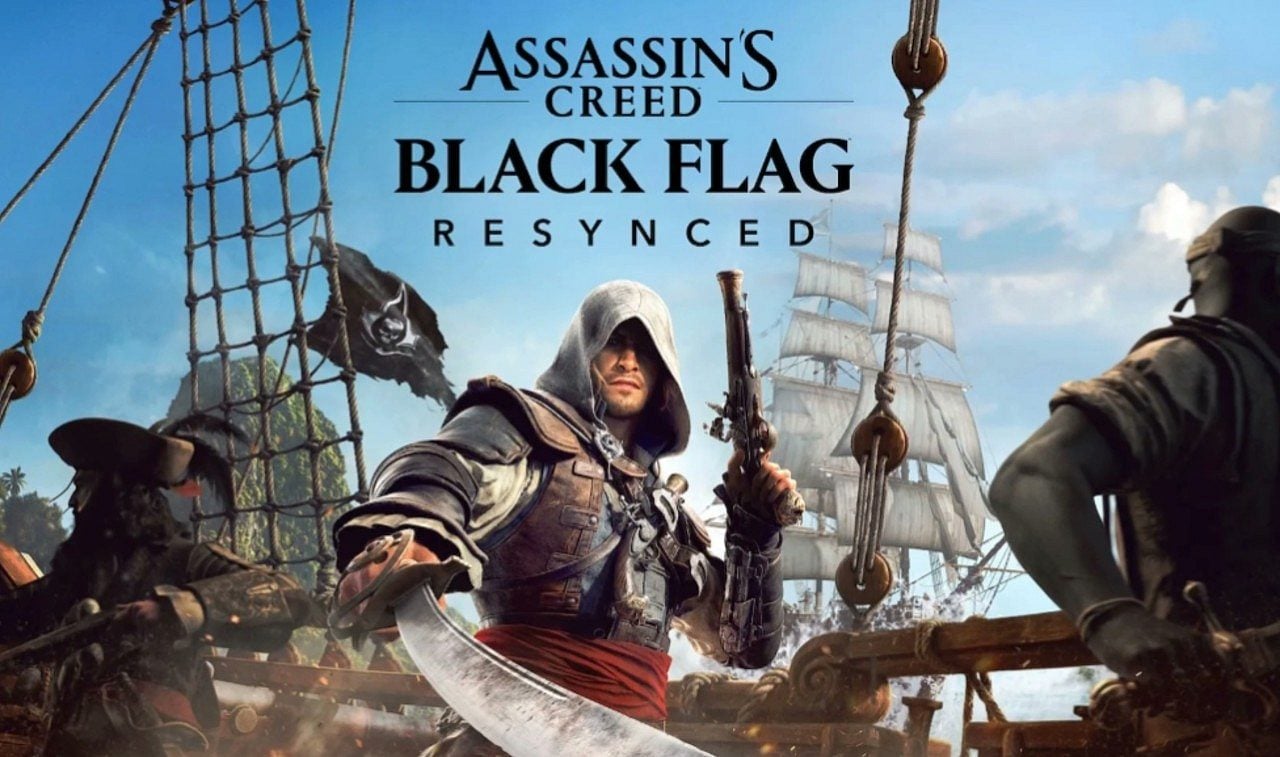
Ubisoft Singapore showcased a playable version of Assassin’s Creed Black Flag Resynced during a press event at Paris. The title hits the market on July 9, 2026 with versions confirmed for PC, PlayStation 5 and Xbox Series X|S. Jornalistas tested the recreation of the pirate adventure for about three hours. The period allowed evaluating the technical performance and structural changes of the work.
The project uses the Anvil Engine graphics engine, the same base technology as Assassin’s Creed Shadows. The developer opted for a complete reconstruction of the mechanics instead of a simple texture update. The changes directly affect the pace of physical confrontations, artificial intelligence and Caribe’s sea navigation.
Assassin's Creed Black Flag Resynced | Hands-on Previews:
▫️ "One of the most ambitious remakes ever made" (Skill Up)
▫️ Around 6 hours of new content has been added
▫️ Naval combat has been reworked by the same studio as the original 2013 game
▫️ Little to no RPG elements
▫️… pic.twitter.com/KWR8ysNTnt— KAMI (@Okami13_) May 21, 2026
Motor graphic delivers seamless exploration and realistic scenarios
The leap in visual quality changes the perception of the Caribbean environment. The development team reworked the water physics from scratch, resulting in dynamic waves that react to the weather. Island vegetation now responds to wind direction procedurally. Esse same air system moves the sails of the Jackdaw ship in a realistic way. The polygon count of the scenarios has increased considerably compared to the original release.
Loading screens disappeared when exploring the map. The player can walk through the streets of dense cities like Havana and Nassau and board the ship without any interruptions. The transition between dry land and the open ocean occurs fluidly. The visual horizon has been expanded, allowing vessels and islands to be seen at much greater distances than in the classic version.
Durante the demonstration in Paris, the computers ran the game with an Intel Core Ultra 7 265KF processor and an NVIDIA GeForce RTX 5080 graphics card. The system had 64 GB of DDR5 RAM. Essa configuration maintained 4K resolution with a high and stable frame rate. The card’s upscaling technology was enabled to ensure performance stability.
The main technical features noted in the trial version include:
- Texturas remade with high resolution and expanded details
- Unprecedented aquatic Física with direct impact on navigation
- Transição without loading screens between cities and sea
- Vegetação and fabrics controlled by wind simulation
- Desempenho optimized for high resolutions on PC
The technical work focuses on maintaining the player’s immersion during long sea voyages. The absence of technical interruptions transforms the way missions are approached, uniting land and naval combat into a single gameplay flow.
Battle Sistema requires precision and abandons automatic defense
Melee combat has undergone a major overhaul. The old strategy of holding down the defense button to eliminate entire groups of enemies has become useless. The new system requires reading movements and quick reflexes. Opponents have a posture bar that needs to be broken before they can take lethal damage.
Perfect blocking has become Edward’s main survival tool. The player needs to time the enemy attack exactly to knock it off balance. A successful defense opens up space for instant shots. Higher level Armas allows you to chain up to four kills in a row on nearby opponents, but basic equipment limits the action to a single hit.
The soldiers controlled by the system act extremely aggressively. Eles quickly surround the protagonist and attack simultaneously. Durante storming a fort in the demo, the amount of snipers and melee fighters required multiple attempts to succeed. The slightest positioning error results in severe damage to the health bar.
Firearm aiming now works completely manually. The player needs to actively aim to hit powder kegs or distant enemies. The use of special abilities requires button combinations that still require adaptation during the heat of battles, changing the rhythm of the confrontations.
Movimentação gains fluidity as artificial intelligence stumbles
Navigation through urban and forest scenarios presents faster responses to commands. Parkour allows for side jumps and animation interruptions while running. Edward Kenway moves with the same agility seen in the protagonists of the most recent games in the franchise. Traversing the rooftops flows without the common crashes of the original version.
Apesar improvements in climbing, descending tall structures remains problematic. The system still confuses the commands when the character needs to descend from observation points or narrow ledges. Slow movement results in imprecise actions that break the rhythm of vertical exploration.
The stealth system gained integration with dynamic weather. The player can crouch anywhere at the touch of a button. A severe thunderstorm on Matanzas drastically reduced the guards’ field of vision during an infiltration mission. The heavy rain allowed the character to walk almost uncovered without attracting attention, as long as he kept a minimum distance.
The weak point of infiltration lies with artificial intelligence. Soldiers follow predictable routes and react limitedly to sound stimuli. The player can lure several enemies to the same hiding place without alerting the rest of the camp. The lack of communication between guards makes it easy to empty entire bases without the need for open combat.
Batalhas naval ships and underwater exploration expand the pirate universe
Confrontations on the high seas received important mechanical adjustments. The rotary cannon used during approaches has dropped quick time events. The player now controls the aim manually while the crew pulls the enemy ship with grappling hooks. Ammunition is limited to five shots, and the rocking of the waves makes shooting accuracy difficult.
The height difference between the vessels requires trajectory calculations to reach the opposing deck. Naval battles maintain the classic essence of chases and exchanges of cannon fire. The experience gained by the developer with Skull and Bones is reflected in the weight and response of the ships during sea combat.
The game introduced new recruitable officers to the crew. A twenty-minute mission introduced Lucy, a character who unlocks a special firing mode for Jackdaw after being recruited. Ocean exploration has also grown in this new version.
The player can freely dive anywhere on the map to search for shallow treasures. The classic diving bell is still present for accessing deep areas and specific missions under the sea. The direct transition between free swimming and returning to the deck reinforces the proposal of an open world without loading barriers.





