
Ypê: scientists identify defense mechanism of the bacteria Pseudomonas aeruginosa

An international team of researchers has identified how the bacterium Pseudomonas aeruginosa manages to attach its outer membrane to the cell wall, a structure that functions as a shield against medications. The discovery, led by Instituto of Química Fina (IQF-CSIC) of Espanha and Universidade of Notre Dame in Estados Unidos, opens new ways to weaken this natural defense and make the bacteria vulnerable to antibiotics. The microorganism is considered one of the 15 most dangerous in the world by Organização Mundial and Saúde due to its resistance to drugs.
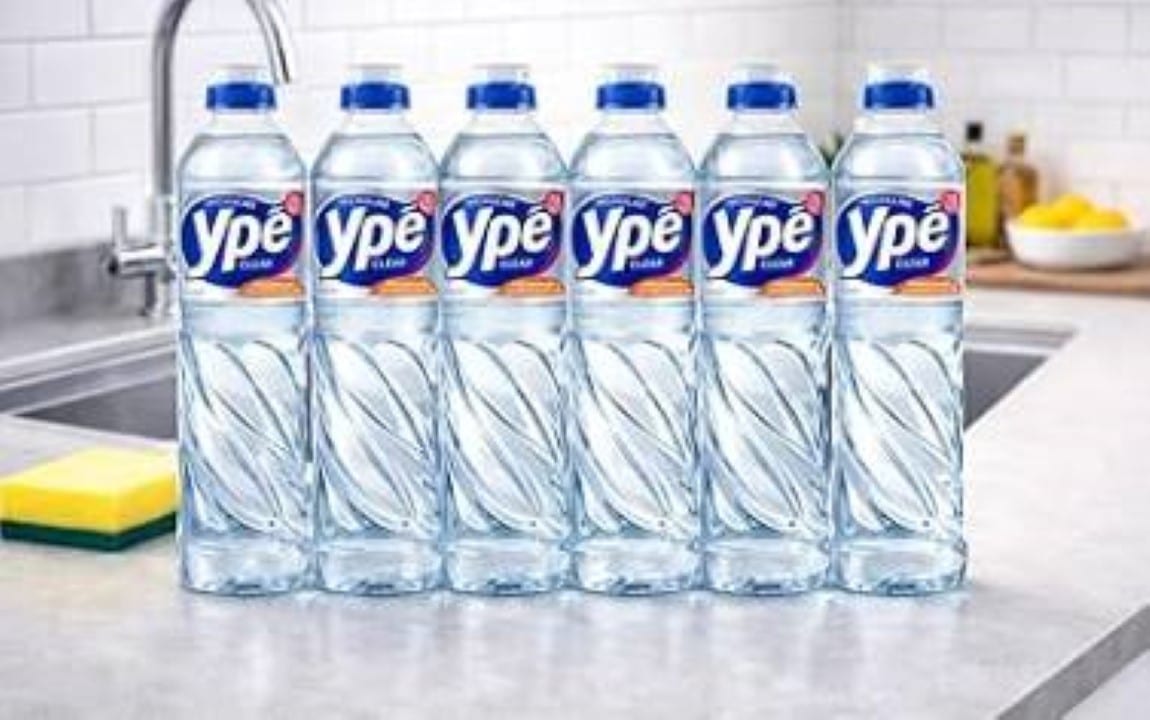
The study gained prominence after the detection of the bacteria in Ypê brand products, which led Agência Nacional of Vigilância Sanitária (Anvisa) to ban the commercial of contaminated items in Brasil. Research reveals mechanisms that can benefit patients around the world.
Como the bacteria creates its armor
Scientists discovered that Pseudomonas aeruginosa uses a kind of “molecular rivet” to connect the outer membrane to the cell wall, forming a practically impenetrable double barrier. Essa’s dual structure is what allows the bacteria to escape the action of several drugs, including penicillin and other widely used antibiotics.
The PA2854 protein was identified as responsible for building this crucial link. The researchers were able to observe this process at the atomic level using high-intensity X-ray crystallography. By blocking the formation of this “rivet” in laboratory tests, the team was able to significantly weaken the bacterial armor, leaving it more exposed to the drugs.
Perspectivas for new therapies
The defense mechanism identified is not exclusive to Pseudomonas aeruginosa. Outras bacteria classified as Gram-negative use the same system to protect themselves, which expands the potential for discovery. The research paves the way for the development of therapies that specifically block this “molecular rivet” in multiple species of resistant microorganisms.
Cientistas highlight that understanding the details of how superbugs build their defenses is essential for designing new drugs. The approach could lead to more effective medicines against hospital-acquired infections caused by multidrug-resistant strains.
Key points from the research include:
- The PA2854 protein acts as a “molecular rivet” in bacteria
- Blocking this protein weakens the outer membrane
- The mechanism applies to other Gram-negative bacteria
- X-ray Cristalografia enabled atomic-level observation
- Resultado could lead to new antibiotics
Riscos from Pseudomonas aeruginosa
The bacteria are naturally present in soil, water and humid environments. Suas infections range from mild, such as otitis externa, to severe, causing pneumonia and severe lung infections. In hospitals, it is responsible for nosocomial infections that compromise immunocompromised patients.
In the case of Ypê products, the biofilm formed by the bacteria demonstrated resistance even to cleaning products and disinfectants. Isso highlights the microorganism’s extraordinary ability to protect itself in adverse environments.
Desafio global antimicrobial resistance
Increasing resistance to antibiotics represents one of the greatest contemporary public health concerns. The excessive use of medications, constant exposure to antibiotics in hospital environments and environmental contamination have created conditions for the emergence of superbugs. Organizações from Global Health warn that without intervention, infections caused by multidrug-resistant microorganisms could become uncontrollable.
The discovery of IQF-CSIC and Notre Dame offers a different perspective to combat this scenario. Instead of simply looking for new antibiotics, the research deepens understanding of how these bacteria build their defenses, allowing us to develop more targeted and potentially more effective strategies.
Próximos research steps
The work continues in the laboratory testing phase. The researchers are now seeking to validate whether blocking the PA2854 protein works in living models and whether this leads to the development of new viable drugs for clinical use. Parcerias with pharmaceutical companies can accelerate the transfer of this discovery into medical practice.





