
American Airlines and United Airlines expand Airbus A319 on US regional routes

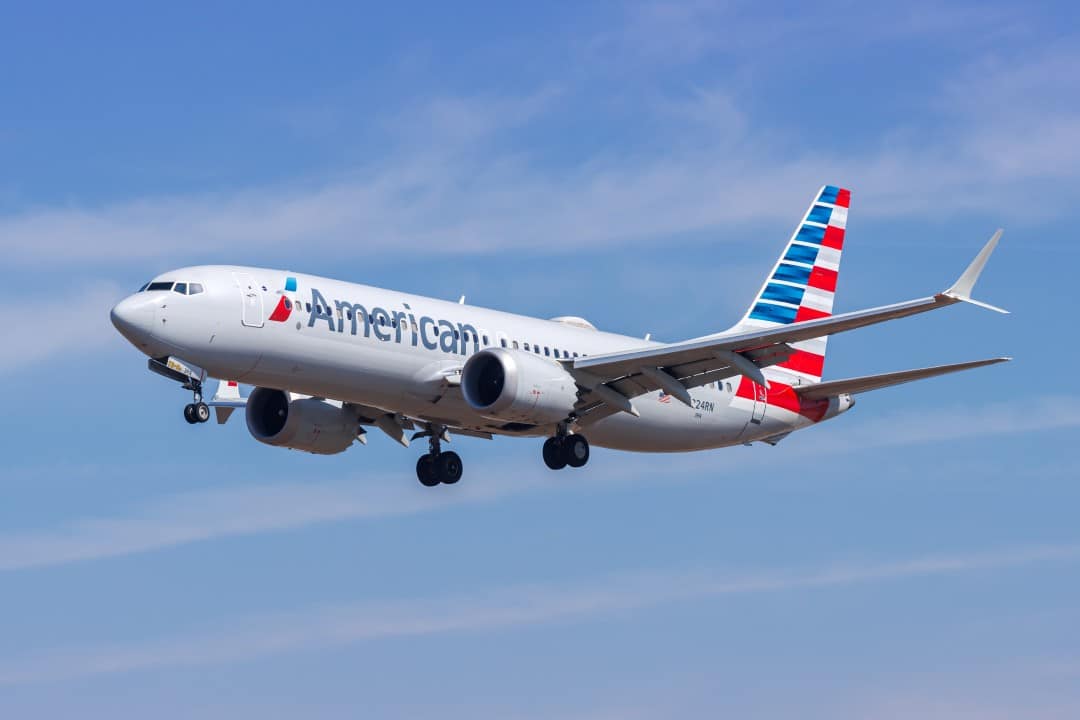
American Airlines and United Airlines expand operations with the Airbus A319 at smaller Estados Unidos airports, progressively replacing Bombardier CRJ and Embraer regional jets. Essa fleet transformation reflects structural changes in domestic air transport, including regional pilot shortages and post-pandemic recovery in passenger demand. Aeroportos as Flagstaff Pulliam Airport, in Arizona, and Appleton International Airport, in Wisconsin, now regularly receive larger narrow-body aircraft that were previously exclusive to metropolitan routes.
Flagstaff reaches historic milestone with first large service

American Airlines recently inaugurated the first scheduled flight with Airbus A319 on Aeroporto Flagstaff Pulliam, replacing the CRJ regional jets that operated between Flagstaff and Aeroporto Internacional of Dallas/Fort Worth (DFW). The move represents the first “mainline” service at the airport, i.e. operated directly by American Airlines, not a regional affiliate. Conforme explained Brian Gall, director of the airport, the A319 brings the first aircraft with the call sign of American Airlines in the history of the terminal.
Aeroporto Flagstaff Pulliam is located approximately 2,134 meters (7,000 feet) above sea level, a challenging environment where altitude and high temperatures have historically limited operations to smaller regional jets. The A319 can operate in these high-altitude conditions while offering significantly more seats than previous aircraft. Líderes locals interpret the move as a sign of long-term confidence in Arizona’s northern economic prospects.
Appleton receives simultaneous operations from two major airlines
Aviation Entusiastas recently observed both American Airlines and United Airlines operating Airbus A319s on Appleton’s Aeroporto Internacional (ATW), on Wisconsin, on routes that traditionally belonged to regional jets. Para passengers, the transition offers tangible improvements in comfort and capacity. A319s have more spacious cabins, enlarged carry-on luggage compartments and larger first class sections compared to regional CRJs.
The presence of multiple major airlines operating larger aircraft simultaneously at the same airport indicates renewed competition in regional markets. Essas Intermediate cities now enjoy in-flight products and experiences similar to those offered on major metropolitan airport routes, changing expectations for travelers who rely on these regional connections.
Escassez of regional pilots accelerates fleet replacement
The ongoing shortage of regional pilots remains the most relevant structural factor of this transformation. Companhias Smaller regional airlines face recruitment and retention difficulties as large carriers hire experienced regional pilots at more competitive salaries. The post-pandemic recovery increased demand for flights faster than the capacity to replace qualified personnel in regional operations.
In response, American Airlines and United Airlines use a route “upgrade” strategy: larger aircraft carry equivalent numbers of passengers with fewer total flights, reducing dependence on regional affiliates. Essa approach is only viable in markets with sufficient demand to sustain larger operations.
- Redução of the number of flights required per route
- Diminuição dependence on regional operators
- Menor pressure on regional pilots
- Possível reduction in overall flight frequency
Economia operational and premium revenue drive decision
Embora or Airbus A319 has higher overall operating costs, offers substantially lower costs per seat when passenger demand exceeds regional jet capacity. Airlines generate more revenue through premium cabins, as larger aircraft include expanded first class and seats with greater legroom. The economic equation favors the A319 in markets where traffic has recovered beyond pre-pandemic levels.
Essa change in fleet allocation reflects adaptation to market conditions in medium-sized cities. Padrões demand has strengthened in many regional markets since the pandemic, enabling profitable operations of larger aircraft at reduced frequency. Airlines save on unit costs by consolidating passengers onto fewer flights with better occupancy rates.
Passenger Experiência improves on regional routes
Viajadores originating from smaller cities progressively enjoy the same aircraft types and amenities found on larger airport routes. The Airbus A319 offers modernized cabins, improved entertainment systems and greater comfort space compared to the regional jets that dominated these routes. The transition was widely received as an improvement by the passenger base.
Conforme American Airlines and United Airlines continue domestic network redesign, more communities in Estados Unidos will be able to receive A319s replacing regional jets that have historically defined air transport in small cities. The trend opens up the prospect of continued modernization of the American regional fleet in the coming seasons.





