
Audi changes the floor of the R26 and leads update package for the Canadian Grand Prix

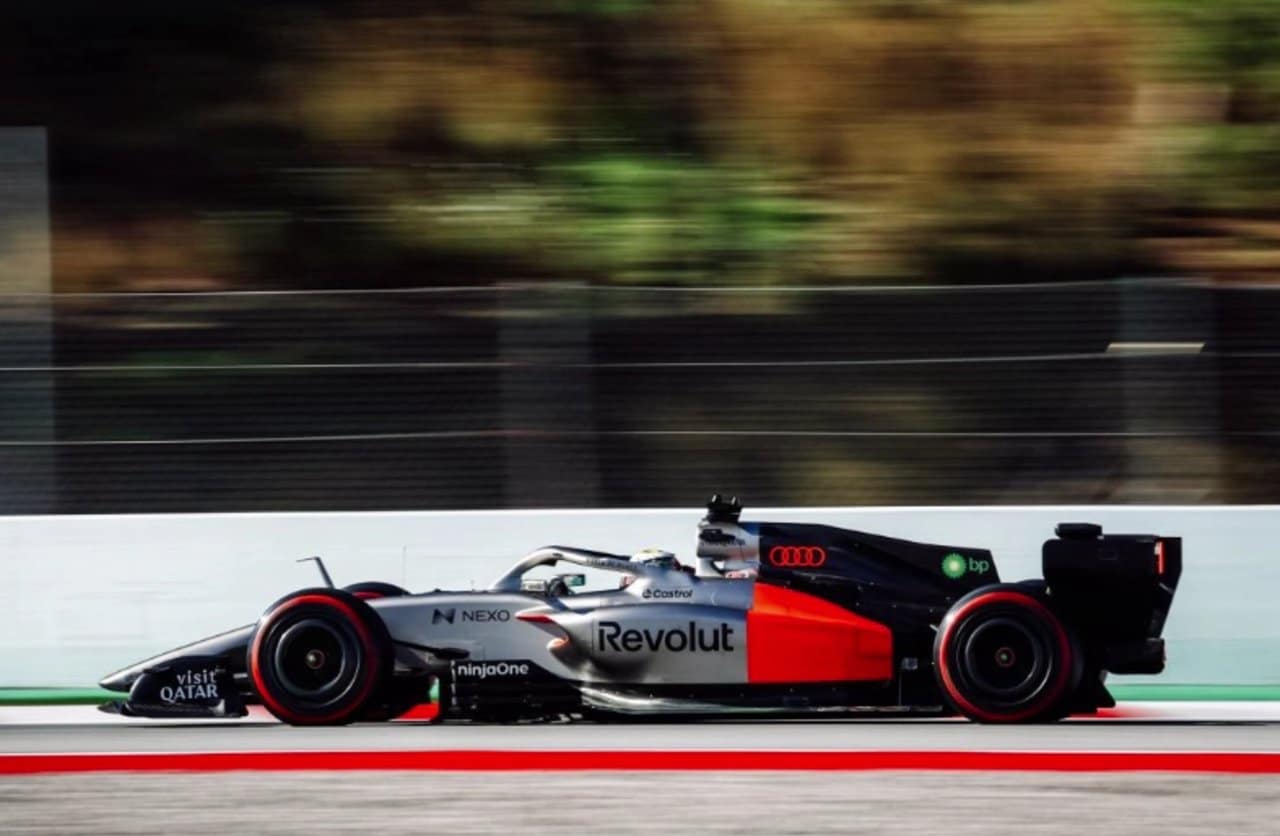
The Audi team confirmed the introduction of a package of technical updates to the R26 model for the Grande Prêmio, Canadá, and Fórmula 1 competition. The main focus of the structural modifications is to optimize the aerodynamic efficiency of the car in the Circuito Gilles Villeneuve. Engineers specifically worked on redesigning the floor and front brake cooling ducts. The working group’s goal is to reverse the start of the season below the expectations established by the board.
The team seeks to reduce the disadvantage in relation to the intermediate field on the current grid. The team currently occupies ninth place in the constructors’ world championship, with just two points scored in the first four stages of the year. Brazilian Gabriel Bortoleto and German Nico Hülkenberg will try to get the most out of the new parts in a reduced format weekend. Outras four organizations in the category also registered new components with the race management.
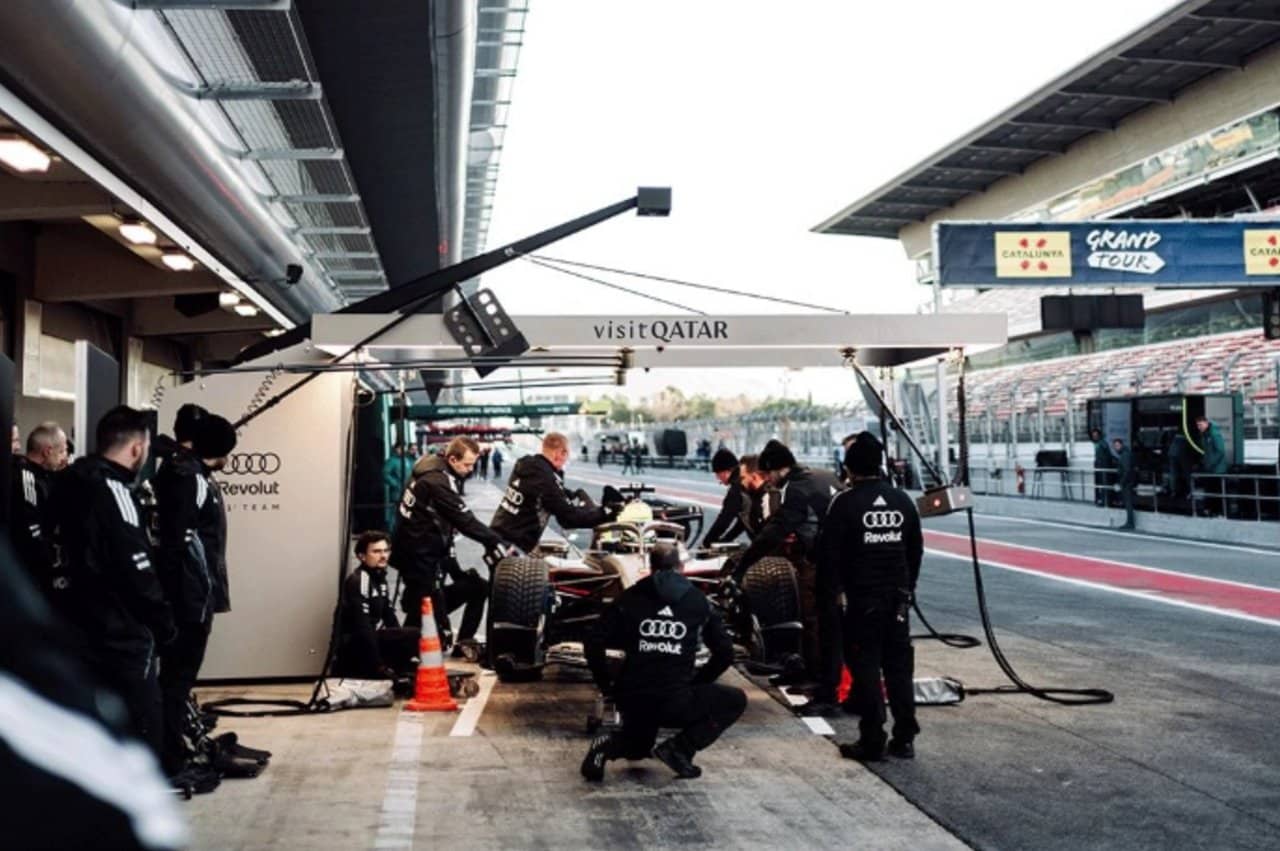
Desenvolvimento of the R26 model focuses on stability in braking zones
The Ingolstadt factory decided to accelerate the original production schedule to bring forward the arrival of parts for Montreal. The season’s initial planning envisaged gradual changes throughout the semester. The need for immediate performance, however, forced a change of attitude in the engineering department. The new deflectors will work in conjunction with the revisions previously made to the lower part of the single-seater. The airflow will be directed more cleanly towards the rear of the chassis.
The technical work focuses efforts on gaining aerodynamic pressure in medium speed curves. The Canadian layout requires extreme stability during heavy braking before the chicanes. The engineering body identified bottlenecks in the cooling of the brake caliper pins during simulator sessions. Correcting this thermal detail will allow more aggressive driving over the track’s high curbs. Drivers reported chronic difficulties with car balance in the first races of the championship.
The search for consistency in long race simulations motivated the advancement of the entire aerodynamic package. The discreet results generated internal demands for an immediate evolution in the vehicle’s dynamic behavior. Nico Hülkenberg abandoned his last official commitment after suffering a mechanical failure in the propulsion system. Gabriel Bortoleto also finished the race outside the regulatory scoring zone on the previous circuit. The technical team worked extended shifts to ensure replacement parts were manufactured.
Atualizações confirmed by teams for América stage of Norte
Audi leads an impressive list of competitors who decided to modify vital elements of their cars for the fifth stage of the calendar. The demanding level of the Montreal urban circuit forces teams to look for specific low-drag configurations. German brand Além, Cadillac, Mercedes, McLaren and Williams have prepared new layouts for their mechanical structures. The shared objective is to quickly adapt to the long straights and sudden braking of the route.
The official technical updates document delivered to the federation details the following components per team:
- Audi: Desenho redesigned the internal front brake ducts and revised floor in the peripheral area.
- Cadillac: Redesenho complete with rear deflectors, modified fins and new front torsion bars.
- McLaren: Atualização deep covering chassis, halo, shroud, front and rear wings and outer fairing.
- Williams: Modificações structural aerodynamics on the fairing without prior details disclosed by the technical manager.
The repetition of these mass updates demonstrates the extreme balance of the current Fórmula 1 technical regulations. Pequenas fractions of a second routinely separate fifth place from fifteenth place in qualifying sessions. The pace of development in factories needs to be constant to avoid losing positions in the general table. Teams that stagnate in the production of new parts will irremediably lose contact with the front group. The spending cap forces designers to get updates right the first time.
Cadillac and McLaren implement changes after recent good results
The Cadillac team focused on improving the impact absorption of the suspension system. The Canadian track requires cars to attack the curbs aggressively to record competitive lap times. An excessively rigid suspension destabilizes the chassis and impairs traction capacity when exiting curves. The new front torsion system seeks to remedy this unwanted behavior that limited the pace in the last race. Engineers also revised elements of the rear diffuser to maximize downforce.
The evolution demonstrated in the short classification in Miami excited the working group of the American organization. The car was just three tenths of a second away from advancing to the next phase of selective training. Sérgio Pérez used a modified front wing and a remodeled floor in its last official appearance. The pieces worked exactly according to the mathematical predictions generated by the team’s base computers. The current goal is to consolidate this evolution under varying conditions of grip and asphalt temperature.
McLaren arrives at Canadá supported by impressive results obtained in the round held on North American soil. The team secured the top two positions in the short race with a dominant performance against their rivals. Kimi Antonelli won the main event on Sunday after a safe and error-free performance under direct pressure. The performance consolidated the organization in third place in the constructors’ world championship. Apesar from positive momentum, the technical management chose to implement comprehensive changes to the MCL40 model.
Novas wings will be tested to evaluate the reduction of aerodynamic drag on high-speed straights. The halo and santantonium received small deflector fins to optimize airflow over the engine cover. The chassis and floor changes complete the team’s biggest update package at this stage of the season. Modificar bodywork helps direct hot air from radiators away from pressure generating areas. Transporting all this material to the Canadá required a highly complex logistical operation.
Williams maintains secrecy about parts during sprint format weekend
Williams occupies fifth place in the championship table with five points from four Grandes Prêmios. Team boss James Vowles confirmed that new components have landed at Montreal to equip the cars. The director preferred to keep secret which specific areas received priority attention from British designers. The concealment strategy aims to prevent direct opponents from analyzing the solutions before the official sessions. The main focus remains on maintaining the statistical advantage built over the teams behind.
The technical command recognizes the difficulty in predicting the order of forces after the introduction of so many simultaneous updates. Escuderias like Mercedes, Haas and Audi itself brought important news that could change the grid hierarchy. Strong competition prevents any type of accommodation in the daily work of aerodynamic development. The race pace demonstrated by Williams in the last race indicated a solid base that needs to be optimized. The minimum objective established by the board is to finish the Canadian round within the scoring zone.
Drivers will face a severe time constraint to tune the cars to the new technical specifications. The regulations for stages with sprint races provide for only one free practice session. Engineers will have exactly sixty minutes of runway open to validate the aerodynamic data collected in the wind tunnel. Erros when choosing the initial height or rigidity configuration can compromise the rest of the event. The precision of the factory simulators’ preliminary work will be put to the ultimate test on Canadian asphalt.



