
Capcom plans releases of Resident Evil 9 and 10 alongside unreleased remakes of the franchise

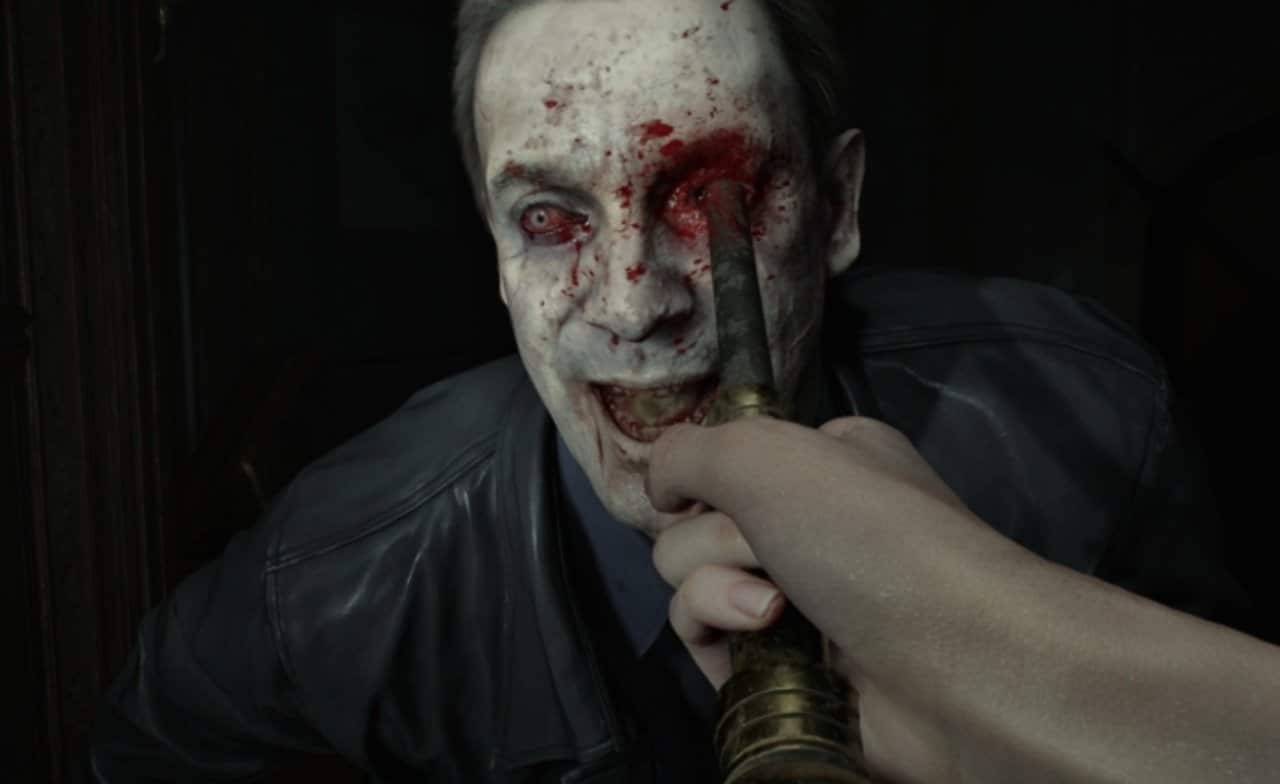
Developer Capcom has structured a new long-term calendar for the Resident Evil franchise. The company’s internal planning foresees the launch of Resident Evil 9 and Resident Evil 10, in addition to the production of remakes of classic titles that have not yet received updated versions. The strategy aims to maintain the brand’s relevance in the global electronic games market over the next decade. The company’s executives seek to consolidate intellectual property as the studio’s main revenue pillar. The definition of this roadmap occurs at a time of high competitiveness in the digital entertainment industry.
The company’s management seeks to avoid large gaps between main releases. Continuous use of the RE Engine graphics engine allows you to optimize development time and reduce operating costs. Market Analistas point out that the annual or biennial cadence of new products guarantees a constant cash flow for the publisher. Maintaining this frequency requires precise coordination between multiple internal studios and third-party partners. The business model adopted replicates the success of previous years, when the company managed to deliver major titles sequentially and without significant delays.
Remakes of classics and release schedule
Internal documents point to the recreation of games highly anticipated by consumers. Information indicates that Resident Evil Code: Veronica and Resident Evil Zero are the studio’s next targets to receive the remake treatment. Ambos the original titles date back to the early 2000s and feature mechanics that will be modernized to current industry standards. The production team is working on revamping tank controls and implementing an over-the-shoulder third-person camera. The visual update preserves the survival horror atmosphere that established the original works.
The interspersion between new games and recreations serves as the basis of the company’s business model. Enquanto the main teams focus on the official numbering of the series, secondary studios and external partners take on the modernization of the back catalog. The format establishes a constant presence on shelves and in digital stores. The tactic also attracts a new generation of players who had no contact with the original releases on old consoles. The commercial success of previous recreations validates the continuity of this process of historic rescue of the franchise.
Inovações technologies in the development of Resident Evil 9
The ninth numerical chapter of the series promises to introduce significant structural changes to the gameplay. Industry insiders Rumores suggest the title will adopt an open-world approach, moving away from the franchise’s signature linear corridors. Expanding the map requires the creation of new artificial intelligence systems for enemies and more complex patrol routines. The expansive environment also changes how the player manages resources and ammunition during exploration. The design team focuses on balancing freedom of movement with the tension inherent in horror games.
Para support the new design scale, the Capcom performs in-depth upgrades on the RE Engine. The proprietary engine receives improvements to global illumination rendering and destructible object physics. Software engineers optimize code to extract maximum performance from current-generation consoles and high-performance computers. The updated technology allows for seamless transitions between indoor and outdoor areas, eliminating the traditional loading screens that divided scenes in the past. The graphics tool also makes it easier to share digital resources between different studio projects.
Narrative arc Encerramento with Resident Evil 10
The publisher’s planning establishes the year 2029 as the release window for Resident Evil 10. The project carries the responsibility of completing the narrative arc that spans more than three decades of the franchise’s history. The writers work to tie up loose ends and define the fate of iconic characters that have accompanied the series since the first games. The completion of this stage paves the way for a total renewal of the universe in the following decade. The decision to end the current saga demonstrates a commitment to the coherence of the story.
The transition to new projects requires a restructuring of development teams. The company relocates experienced directors and hires new talent to handle the volume of simultaneous production. The fundamental pillars established for the coming years include strict technical and artistic quality guidelines. The studio’s operational goals define the following objectives for the new phase of the franchise:
- Implementação of open maps with fluid scene transition.
- Atualização graphics engine to support new rendering technologies.
- Modernização of controls and user interface in classic titles.
- Conclusão of the main narrative with the tenth numerical game in the series.
- Expansão of the brand’s global reach through multilingual localization.
The division of tasks between the studios ensures that each project receives the necessary attention without compromising the deadlines stipulated by investors. Executive producers monitor the daily progress of the programming, art, and sound teams. The agile working methodology allows for quick adjustments to the scope of games if unforeseen technical challenges arise. Quality control works from the early stages to prevent the accumulation of software failures close to the launch date.
Expansão from the brand beyond video games
The company’s strategy transcends the interactive software market. Capcom intensifies the licensing of intellectual property for audiovisual productions, including computer graphics films and series on streaming platforms. The presence in multiple media reinforces the recognition of the name Resident Evil and attracts consumers who do not have the habit of playing video games. The marketing department coordinates transmedia launches to coincide with the arrival of new games in stores. The synergy between different entertainment formats maximizes the return on advertising investment.
The licensed products sector is also going through a phase of global expansion. The manufacturing of collectibles, apparel, and printed publications generates an additional source of revenue independent of software sales. Strict brand management ensures that all derivative products maintain the series’ signature visual identity and tone of horror. The consolidation of this commercial ecosystem protects the company against fluctuations in the technology market and guarantees the franchise’s long-term financial sustainability. Financial projections indicate continued growth in revenue associated with the brand until the end of the decade.





