
Cary Elwes reveals behind-the-scenes of Tom Cruise’s serious accident while filming Days of Thunder

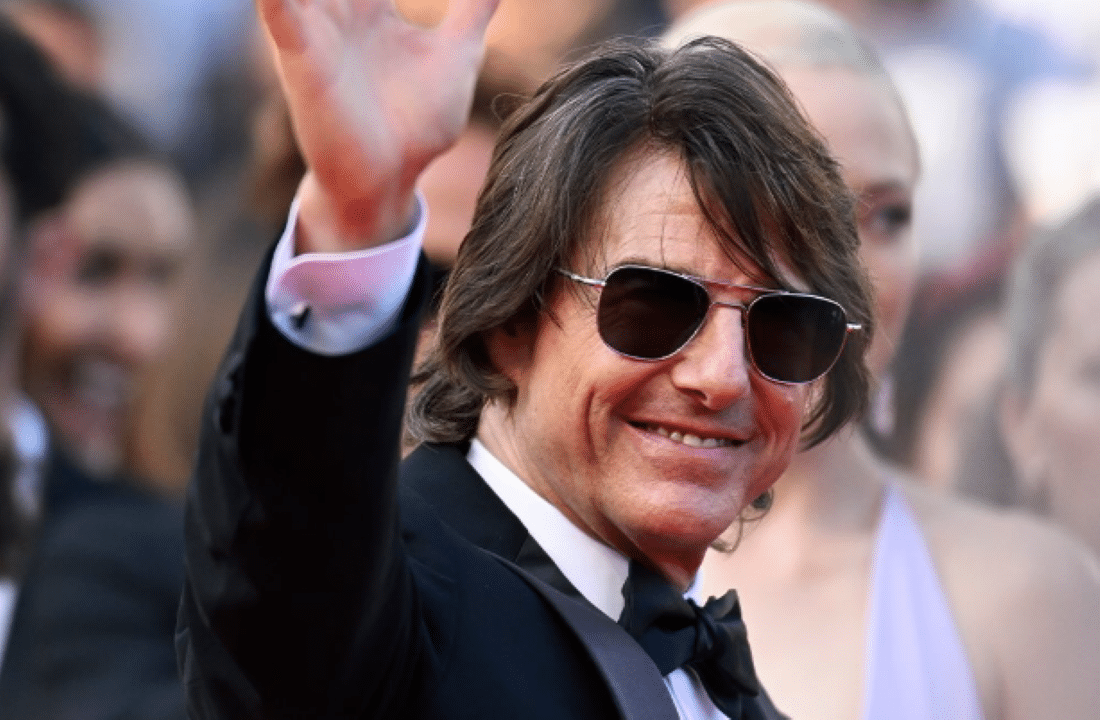
The film industry in the early 1990s underwent significant technical transformations, especially in high-speed image capture. The feature film Days of Thunder, released during that period, established new parameters for motorsports recording. The production used equipment adapted to withstand the force and vibration of professional race tracks. The project required the construction of specific vehicles and the implementation of strict safety protocols for the technical team and main cast.
Actor Cary Elwes recently shared behind-the-scenes information about the film, detailing an incident that occurred with Tom Cruise during filming. The protagonist, known for dispensing with the use of stunt doubles in action scenes, lost control of one of the cars and collided with the circuit’s retaining wall. The report highlights radio communication moments before the impact and the reaction of the professionals involved in coordinating the set. The situation highlighted the real risks taken by the team during the execution of the project.
Comunicação records the exact moment of the collision on the track via radio
Durante executing one of the high-speed sequences, the management team monitored the vehicle’s performance through an internal communication system. The professionals monitored the telemetry and audio directly from the pilot’s helmet. The environment in the control center required extreme concentration, given the complexity of the maneuver stipulated by the script. The speed of the car exceeded conventional recording averages at the time. Esse factor considerably increased the risk level of operating on asphalt.
Instantes before the clash, the radio system transmitted a direct message from the protagonist. Tom Cruise informed the team that the vehicle was heading towards the retaining wall. The sentence was said in a steady tone of voice. Não there were changes that indicated lack of emotional control. Imediatamente after the transmission, the audio monitors recorded the sound of the metallic impact against the concrete structure of the racetrack. The rescue team began moving in the same second, following the emergency guidelines established by the production.
Protocolos rescue and medical assessment after car destruction
The force of the crash caused severe damage to the front and side structure of the modified vehicle. Rescue teams arrived at the scene of the incident in short order. The professionals carried high-capacity fire extinguishers and heavy extraction tools. The standard procedure required the driver to be immobilized and vital signs to be checked before any attempt was made to remove him from the cockpit. The dynamics of the rescue, however, took a different turn from the expectations of the rescuers and producers who observed the scene from a distance.
Antes until the medical team could begin the extraction procedures, Tom Cruise opened the window protection net and exited the vehicle without assistance from third parties. The preliminary clinical assessment took place in the runway escape area. Rapid examinations did not reveal any fractures, concussions or internal injuries resulting from the sudden deceleration. The actor was released after routine tests. Enquanto that, the production mechanics and engineers began to remove the debris from the track. The car’s chassis suffered a total loss, requiring immediate replacement with a spare car to continue the schedule.
Inovações technological and adaptation of recording equipment
The creation of Days of Thunder required engineering solutions that did not exist in the conventional audiovisual market. The photography direction needed to develop metal supports capable of fixing heavy cameras to the car bodywork. The equipment needed to withstand the centrifugal force of the curves and the constant vibration of the asphalt. Essa technical necessity generated a direct collaboration between film technicians and mechanics specialized in automobile competitions. The end result delivered a capture system that allowed the viewer a first-person perspective of the races.
The adaptation process involved several structural modifications to the team’s vehicles and safety equipment. Key technical production implementations included:
- Instalação of high-resolution cameras in armored compartments in the body of cars.
- Desenvolvimento of noise canceling radio systems for clean communication between rider and steering.
- Utilização authentic professional competition chassis with internal structural steel reinforcement.
- Treinamento practical defensive and evasive driving for the main actors in the cast.
- Criação of a budget dedicated exclusively to replacing equipment destroyed during the shooting.
Essas technical guidelines increased the total cost of the work, but guaranteed a level of visual realism unprecedented for the genre. The requirement for practical capture forced the team to repeat the maneuvers several times until achieving the ideal framing. The production avoided the use of visual effects inserted in post-production to simulate speed. The presence of professional drivers as consultants helped refine the choreography of the cars on the track, ensuring the technical precision demanded by fans of the sport.
Legado from production for motorsports cinematography
The working method established during recording directly influenced the way the industry started filming speed sequences. The refusal to use background projections or closed studios to simulate the movement of vehicles forced studios to invest in miniaturizing cameras. The raw material captured on the tracks served as a study base for cinematographers in the following decades. The sound design also needed to evolve to capture the thermal and mechanical range of engines in real operation.
The protagonist’s stance in taking control of the vehicle marked a transition in his acting methodology. From that experience onwards, the requirement to carry out risky sequences became a constant in their film contracts. The incident on the circuit consolidated a work format based on intensive training and the actual execution of the maneuvers proposed by the scriptwriters. The work remains cataloged as a technical document on the evolution of capturing moving images in the entertainment industry.



