
Insulin use by bodybuilders causes risk of coma and death

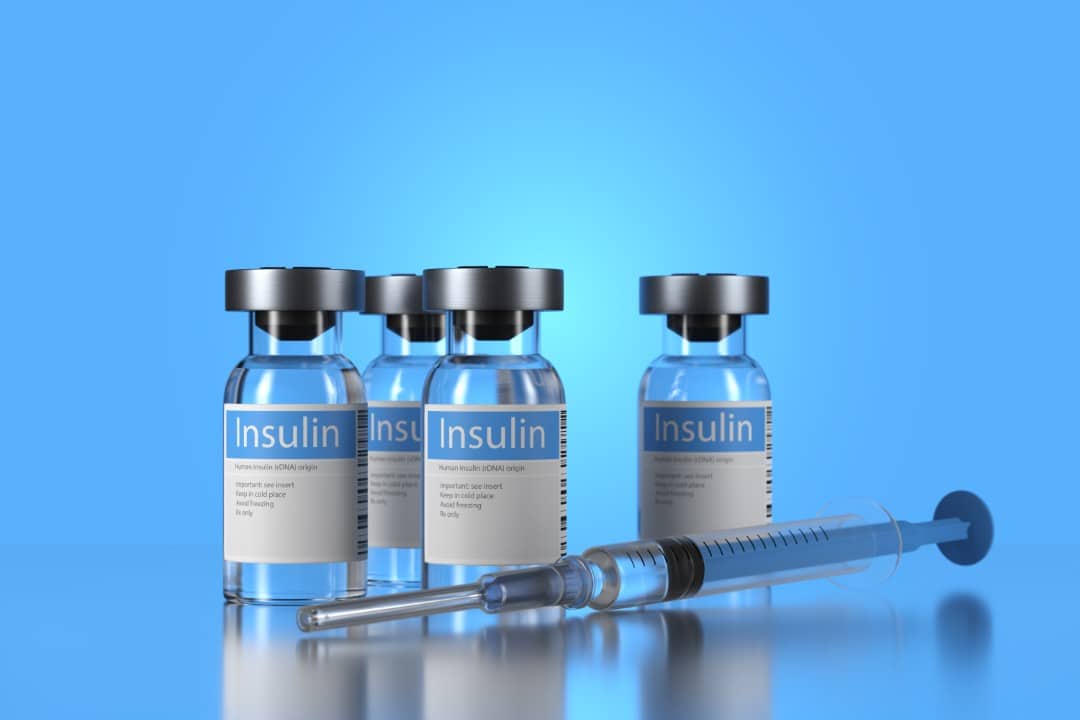
The hormone that keeps diabetics alive is injected by healthy bodybuilders in high doses to gain muscle mass, triggering sudden drops in blood glucose capable of leading to coma and death. European Pesquisadores documented that 38% of evaluated athletes use insulin regularly, often combined with anabolic steroids, growth hormone and stimulants. The practice takes place in an environment without medical supervision, with guidelines based only on gym recommendations.
Médicos warn that the danger is immediate and lethal. Injected insulin acts independently of natural blood sugar levels, creating an unstable balance. Quando glucose drops below 50 mg/dL, the body tries to compensate with adrenaline, causing tremors, excessive sweating and heart acceleration. If the athlete does not ingest carbohydrates quickly, the decline continues, depriving the brain of its main fuel.
Como insulin works in the bodybuilder’s body
Insulin has two characteristics that make it attractive and dangerous simultaneously. Dentro cells, it blocks protein degradation routes and stimulates muscle protein synthesis — exactly the gain that bodybuilders seek. Além Furthermore, the hormone is lipogenic: it accumulates body fat when in excess.
Esse double effect explains why its use is associated with the “bulking” phase, when the athlete aims to gain volume. The technique practiced in gyms consists of injecting fast-acting insulin subcutaneously accompanied by the consumption of sugar before or after training to avoid sudden drops in glucose.
The director of Sociedade Brasileira of Endocrinologia and Metabologia emphasizes that the practice is more common than one might imagine. In many steroid user protocols, insulin appears as a standard complement. Porém, the doctor claims to have never seen any scientifically based professional recommend insulin for those who do not have a hormone deficiency.
The acute risk of hypoglycemia
A dangerous drop in blood glucose is the immediate danger of misuse. In people without diabetes, hypoglycemia develops in a predictable and potentially fatal sequence. Quando glycemia reaches 50 mg/dL, the body releases defense hormones, including adrenaline, generating the first signs: racing heart, tremors and cold sweating.
If glucose continues to drop and no quickly absorbed carbohydrates are ingested, there is a lack of sugar in the brain. Esse neurological stage, called neuroglycopenia, marks the point of no return. From then on, according to experts, the condition progresses from agitation to mental confusion, torpor, convulsions and coma. In severe cases, the person may “sleep and never wake up.”
Injected insulin is especially insidious because it works independently of natural sugar levels. Seu effect is amplified during intense exercise, especially when injected into muscles that are heavily used during training. The type of insulin changes the progression of the danger: fast-acting insulin causes abrupt and noticeable drops, while long-acting insulin causes prolonged and silent hypoglycemia, delaying the perception of the problem.
The risk is particularly concentrated in moments of dietary restriction — when the athlete trains a lot, eats little and reduces the safety margin to practically zero.
Doping invisible to tests
The recombinant insulin used by humans is practically identical to that produced by the pancreas itself and circulates in the blood for just 5 to 10 minutes. For this reason, it completely escapes traditional anti-doping tests, differentiating it from anabolic steroids and growth hormone, which leave detectable traces.
European Pesquisadores sought to identify indirect markers of use. Descobriram that bodybuilders using insulin show a drop in HDL cholesterol and changes in liver enzymes. The ratio between ALT and AST enzymes was characteristically high, opening up the possibility of future detection in prolonged monitoring.
Risco potentiated cardiovascular
The isolated use of insulin rarely occurs. Nos bodybuilding circles, the hormone is part of a cocktail with steroids, stimulants and diuretics — a combination that worries cardiologists and endocrinologists. The combination subjects the body to severe dehydration, loss of electrolytes and metabolic stress that simultaneously affects the heart, brain, liver and kidneys, drastically increasing the likelihood of arrhythmias and collapse.
Anabolic steroids reduce HDL cholesterol, raise LDL and blood pressure, making the blood thicker and more prone to clotting. The result is an increased risk of thrombosis and embolism. The heart, as a muscle, hypertrophies in response to hormonal stimulation. Quando combined with training based solely on strength, without aerobic exercise that develops circulation, the situation worsens.
Cardiologistas report seeing patients who developed arrhythmias after steroid use, often after hormone implantation, with increasing frequency. Mortes sudden appearances in competitions and training have become common in these circles.
Regulação legal and underground practice
The use of anabolic steroids for aesthetic or performance purposes is prohibited by Conselho Federal of Medicina and by Agência Nacional of Vigilância Sanitária, as it does not constitute health treatment. Insulin has no indication in people without diabetes. The doses used are, according to experts, “literally huge”, and part of the material comes from more potent veterinary products.
The problem goes beyond the individual. Atletas young people, with good looks and great reach on social networks, project a body standard that is physiologically unattainable without substances, a phenomenon that has become popular much faster than knowledge about its lethal risks.
Forensics found medications, possibly anabolic steroids, in the apartment where bodybuilder Gabriel Ganley, 22 years old, was found dead in São Paulo. The cause remains under investigation by Instituto Médico Legal. Ganley had reported on social media episodes of hypoglycemia after insulin injections on restricted eating days, demonstrating knowledge of the risk without ceasing the practice.





