
Internal analysis of the Vivo X300 Ultra reveals chassis adaptation for giant photo sensors

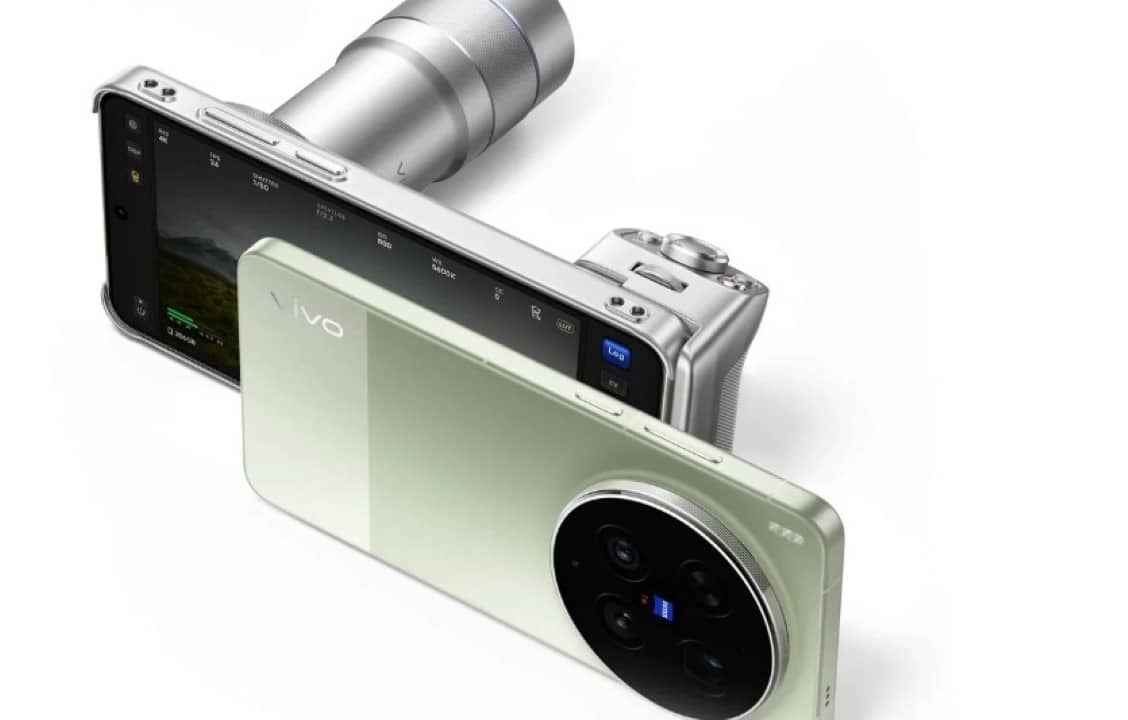
The internal analysis of the Vivo The manufacturer repositioned peripheral components to free up physical space. Especialistas found that the structure supports the weight of the new lenses. The device maintains the portability required by the premium segment.
The Chinese manufacturer has overcome severe physical challenges to accommodate high-resolution sensors without compromising the thickness of the chassis. The industrial design prioritizes thermal stability and structural protection. The strategic arrangement of the coils ensures continuous operation of the main processor. The architecture prevents electromagnetic interference in the chips dedicated to image processing during intense use of the cameras.
Motherboard Reestruturação accommodates 200 megapixel lens
The component that demands the largest internal area is the almost one-inch Sony Lytia 901 main sensor. The integration of this part required the development of unconventional formats for printed circuits. The 200-megapixel Samsung ISOCELL HP0 periscopic telephoto lens also takes up a significant portion. The size of these pieces dictated the positioning of practically all other elements. The lens operates without physical obstructions thanks to the redesign of the optical housing.
The proximity between the camera modules and the battery forced the development team to apply additional thermal insulation. The measure prevents premature degradation of image sensors, which are sensitive to temperature variations. The vertical arrangement of the peripherals freed up the area required for the periscopic zoom mechanism. Electromagnetic shielding has been reinforced around the signal circuits.
Sistema cooling system uses vapor chamber and multiple layers of graphite
The operation of the Qualcomm Snapdragon 8 Elite Gen 5 platform generates heat that requires immediate dissipation to avoid a reduction in performance. Inspection revealed an enlarged vapor chamber. The component fully covers the central processor and RAM memory modules. Thermal transfer to the housing occurs through high-performance paste and conductive adhesives positioned at critical points.
The company applied multiple layers of graphite to distribute the temperature evenly across the entire back of the phone. The strategy prevents the formation of zones of concentrated heat. Excessive heating causes discomfort to users’ hands during high-resolution recordings. The balance between the raw power of the processor and the efficiency of the heatsinks maintains system stability.
Power management and processing infrastructure depend on the following technical specifications:
- High-density Bateria with 6,600 mAh divided into cells to support 90W fast charging.
- Bobinas 40W induction wireless charging system compactly integrated into the chassis.
- Coprocessadores dedicated to image processing to alleviate the workload of the central unit.
- Conectores reinforced physical components that minimize the risk of failures due to mechanical stress or oxidation of the contacts.
The division of battery cells represents a solution to accelerate energy replenishment without raising the internal temperature. The electrical supply powers the haptic vibration motors and stereo speakers. Estes components have been relocated to the lower ends of the chassis. The change allowed maximum use of the central region for the allocation of heat sinks.
Reinforced Vedação secures certifications against water and dust
The physical construction of the Vivo X300 Ultra uses metallic alloys that provide high rigidity to the structural assembly. The robustness prevents the weight of the large glass modules from causing flexion in the device body. The dismantling revealed thick rubber seals on all communication ports. Strict insulation guarantees IP68 and IP69 certifications. The device supports prolonged submersion and water jets.
The glass back panel remains attached to the structure using a strong adhesion industrial adhesive. The glue acts as a physical barrier against dust particles infiltrating the camera housing. Maintaining the cleanliness of the sensors is crucial to the sharpness of the photographs. The use of screws of different calibers ensures that internal parts do not move after impacts.
Tela of 144 Hz and biometric sensor require precision assembly
The 6.82-inch LTPO AMOLED panel with 2K resolution and 144 Hz refresh rate demands very high-speed data connections. The flow of information passes through ultra-thin flexible cables installed on the sides of the battery. Polymer Camadas protects the wiring against possible damage caused by friction. The millimetric fit of the front display makes it possible to maintain thin edges around the viewing area.
The 3D ultrasonic fingerprint reader occupies a restricted area under the screen. Installation of the biometric component requires strict alignment with the external glass. The precision of the assembly allows the sound waves to map the user’s fingerprint faster than traditional sensors. The miniaturization of this part avoids interference with the total capacity of the battery located just below the display.
Modular Arquitetura facilitates communication port repairs
The base of the smartphone contains the communication modules responsible for supporting mobile networks and Wi-Fi connections. The distribution of internal antennas circumvents signal blocking caused by the user’s hands in landscape mode. The USB-C port features a fully modular design. The choice of engineering facilitates possible technical repairs. The consumer does not need to pay for a complete replacement of the main board in case of wear.
The logic board houses artificial intelligence chips that operate in sync with the Qualcomm’s processor to reduce noise in photographs. Communication between the photographic modules and the central unit takes place via large-scale data buses. The infrastructure avoids delays in displaying the image on the display. OriginOS 6 system optimization manages instant switching between lenses. The set consolidates engineering advancement in hardware integration.





