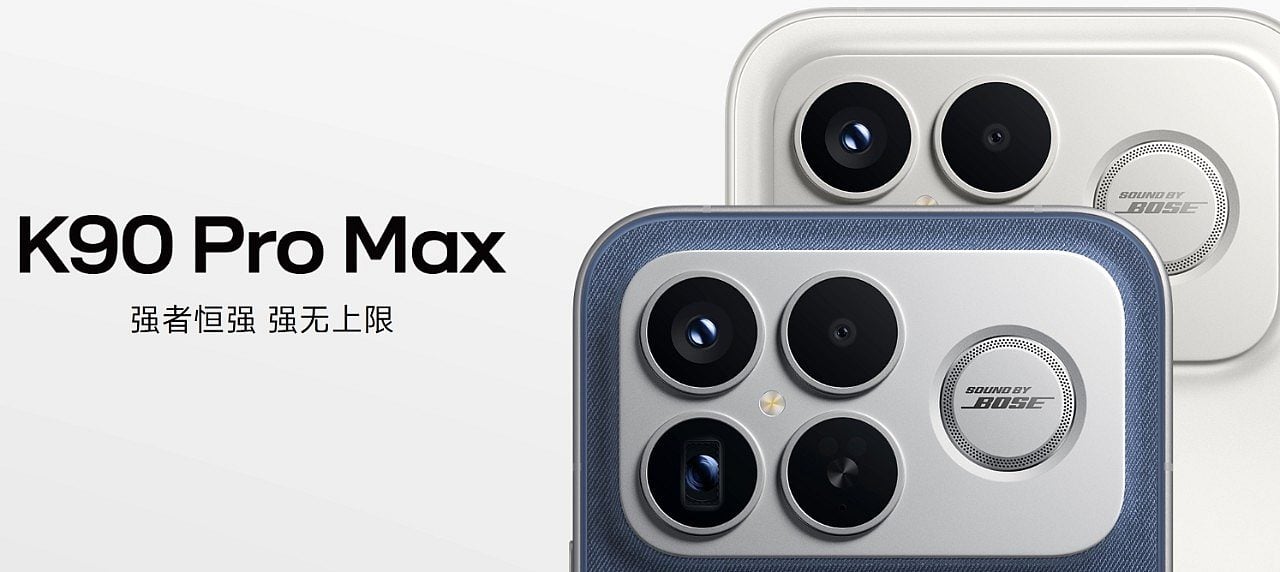
Electronics manufacturer Xiaomi has confirmed the launch of the Redmi K90 Max smartphone for the China market later this month. The mobile device arrives with the proposal to compete for space directly with the Huawei Mate 80 Pro Max Fan Edition model. The company’s core strategy involves implementing an integrated fan system for thermal control. The focus of the new equipment is on high performance for electronic games and efficient heat dissipation during prolonged use.
The president of Xiaomi’s cellular division, Lu Weibing, classified the new device as the most powerful of the entire K series in terms of processing capacity. The executive highlighted the presence of an active air cooling solution that marks a debut in the product line. The adoption of physical ventilation mechanisms represents a change in the internal engineering of the brand’s devices. Demanding Consumidores increasingly seek stability in heavy applications without frame loss.
Arquitetura advanced thermal defines the manufacturer’s new project
The cooling structure of the Redmi K90 Max uses a mechanical configuration that pressurizes and collects ambient air continuously. Essa engineering approach manages to reduce air volume to the 0.42 CFM mark, while improving overall flow within the phone’s chassis. The inclusion of metal guide fins directly contributes to the gain in thermal performance announced by the Asian company. Testes laboratory tests conducted by the company itself indicate technical superiority in relation to other solutions available on the shelves.
Tight control of internal temperatures allows the main processor to maintain high operating frequencies for extended periods. The absence of thermal throttling, technically known as throttling, guarantees a fluid experience in competitive gaming sessions. The heat generated by state-of-the-art electronic components requires increasingly robust dissipation mechanisms. The mobile technology industry invests billions annually to solve the bottleneck of overheating in confined spaces.
Redmi K90 Max Ventilation Mechanism Especificações
The technical details shared by the development team show a project focused on quickly extracting hot air. The fan built into the smartphone’s body has specific dimensions to maximize heat exchange without compromising user ergonomics. The system works in conjunction with temperature sensors spread across the motherboard. The motor is activated dynamically according to the processing requirements of the moment.
- Large diameter Ventoinha measuring exactly 18.1 mm in size.
- Design vertical air intake equipped with inclined blades for flow optimization.
- Active cooling Arquitetura rated at 1.3 times higher efficiency than direct competitors.
- Capacidade temperature reduction by up to 10°C in just 100 seconds.
The combination of these physical elements creates a miniature wind tunnel inside the cell phone. The 10°C reduction in just over a minute and a half demonstrates the aggressiveness of the ventilation curve programmed by the engineers. Active dissipation far outperforms traditional passive methods that rely solely on vapor chambers and graphite sheets. The end user notices the difference in the back surface of the device when playing complex three-dimensional titles.
Competição fierce in the high-performance smartphone segment
The official announcement of the Redmi K90 Max comes on the heels of the positive reception of the Huawei Mate 80 Pro Max Fan Edition from Asian consumers. The presence of a physical fan has become an important sales differentiator in the niche of premium devices aimed at the gaming public. The Xiaomi now attempts to capture this demand with an optimized airflow design and a larger diameter cooling component. Rivalry between technology giants drives innovation in the mobile hardware sector.
Chinese Fabricantes lead the adoption of mechanical cooling systems in their main launches of the year. The approach that combines large fans with directed flow channels solves chronic performance loss issues. Aplicativos Modern video editing and games with realistic graphics demand the most from the central processing unit and graphics chip. Thermal stability becomes as strong a marketing argument as camera resolution or battery capacity.
The mobile device market is seeing a transition in the design priorities of major brands. The millimeter thickness makes room for larger camera modules and complex ventilation systems. Public acceptance of slightly thicker devices, as long as they deliver sustained performance, encourages companies to experiment with new solutions. Active cooling is no longer exclusive to portable computers and desktop consoles.
Estratégia commercial and initial exclusivity in the Asian market
Xiaomi’s distribution strategy envisages that the Redmi K90 Max will be sold exclusively in the China market in this initial phase. The model’s positioning as the flagship of the K series reinforces the brand’s commitment to delivering extreme specifications at competitive prices. The company still keeps complete details about the exact processor model, screen resolution and internal storage capacity confidential. The revelation of this additional information will take place at events scheduled for the next few days.
The device’s promotional campaign uses short videos that demonstrate the efficiency of the exhaust system in real time. The rapid reduction in temperature was the central point of the previews shared by executives on local social networks. The interest generated among technology enthusiasts demonstrates the commercial viability of smartphones with very well-defined niche proposals. The presentation of practical results from independent stress tests will be the next step in validating the manufacturer’s claims.
The telecommunications sector awaits the developments of this launch to evaluate future design trends. The integration of moving parts into cell phones always raises questions about durability and resistance to dust and water. Xiaomi engineers needed to develop filters and protection mechanisms to ensure the longevity of the 18.1mm fan. The commercial success of the Redmi K90 Max will dictate whether active cooling becomes an industry standard or remains a feature restricted to special editions.
Impacto of thermal innovations in component life
The implementation of fans in smartphones doesn’t just affect immediate performance during heavy use. Maintaining lower operating temperatures contributes significantly to preserving long-term battery health. Excessive heat represents the main factor in the degradation of lithium-ion cells present in modern mobile devices. The active system of the Redmi K90 Max acts as a protective shield for the most sensitive internal components.
Especialistas in hardware point out that efficient dissipation also prevents premature wear of solders and integrated circuits on the main board. The sudden variation in temperature, which occurs when a cell phone heats up a lot and then cools down quickly, causes thermal expansion and contraction of materials. The linear control provided by the 18.1 mm fan minimizes this physical stress on the internal structure. The durability of the equipment increases considerably with adequate thermal management.
The semiconductor industry continues to reduce processor lithography, which concentrates even more heat into tiny areas of the chip. The mechanical solution adopted by Xiaomi anticipates the needs of the next generations of mobile processors. The evolution of mobile games, with the arrival of advanced graphics rendering technologies, will require cooling capabilities that passive methods can no longer provide. The Chinese market serves as the main testing laboratory for these consumer-facing engineering innovations.